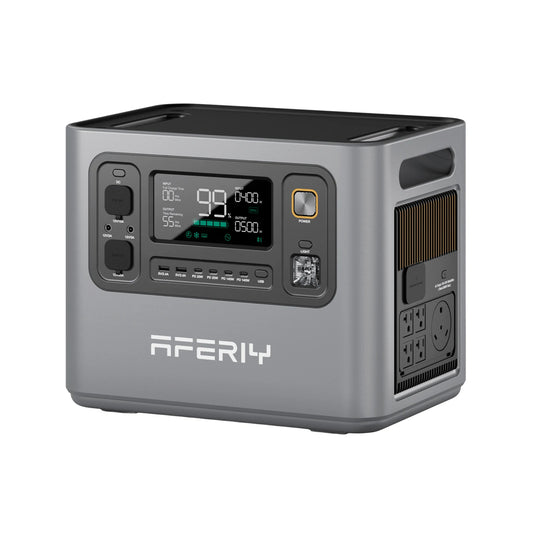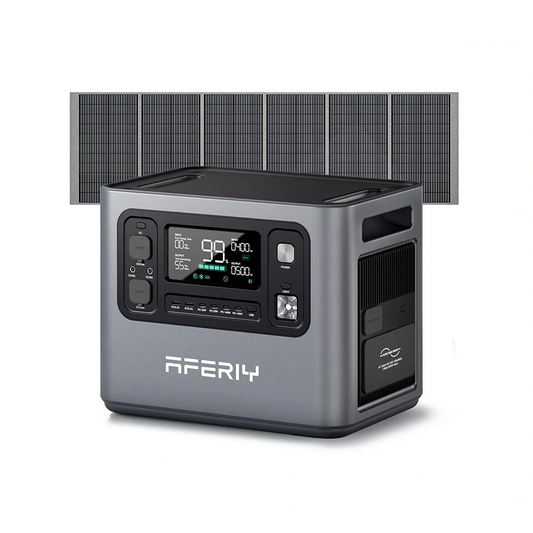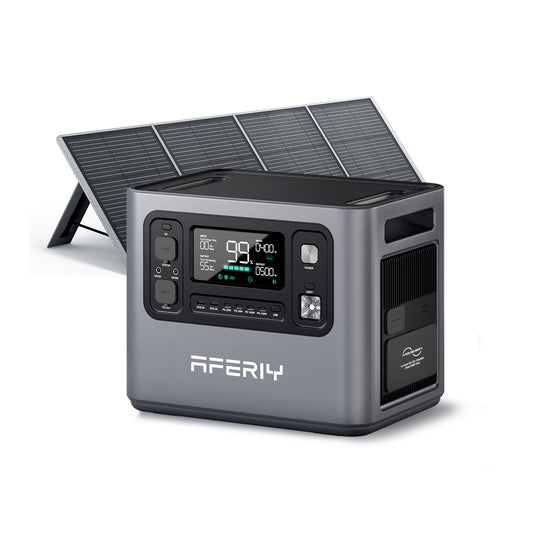











Compare AFERIY Portable Power Station
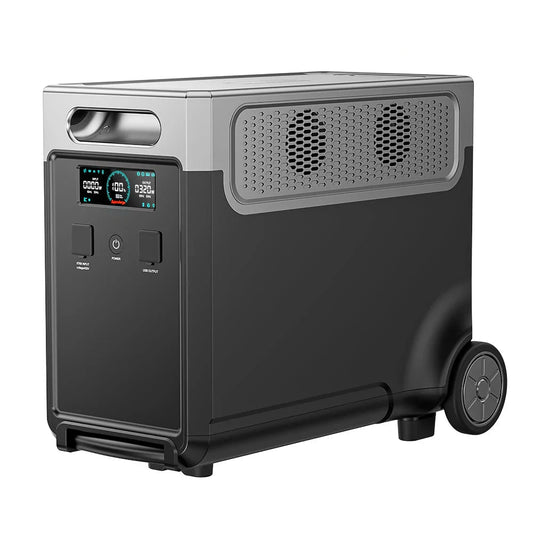
AFERIY P310 vs P280 vs P210 — Model Comparison
Discover the key differences between the three most popular AFERIY power stations. This guide helps you choose the model that best suits your needs: power, capacity, runtime, and real-world usage.
| Specifications | AFERIY P310 | AFERIY P280 | AFERIY P210 |
|---|---|---|---|
| Rated Power | 3600W | 2800W | 2400W |
| Capacity | 3840Wh (expandable up to 11520Wh) | 2048Wh (expandable up to 10240Wh) | 2048Wh (non‑expandable) |
| Capacity Expansion | Yes, compatible with 3840Wh P310-B Expansion Battery | Yes, compatible with 2048Wh P280-B Expansion Battery | Not available |
| Battery Capacity (mAh / Voltage) | 1,200,000 mAh / 3.2 V | 640,000 mAh / 3.2 V | 640,000 mAh / 3.2 V |
| Battery Capacity (Ah / Voltage) | 80Ah / 48V | 40Ah / 51.2V | 40Ah / 51.2V |
| Battery Type | LiFePO₄ (≥ 4000 cycles) | LiFePO₄ (≥ 4000 cycles) | LiFePO₄ (≥ 4000 cycles) |
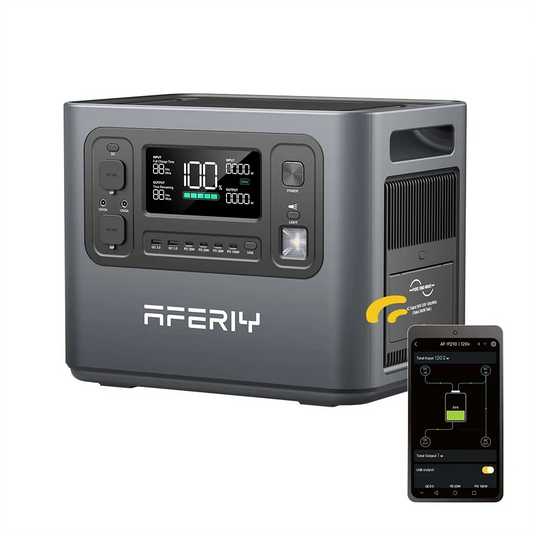
| App Control | Yes (Smart App) | Yes (Smart App) | Yes (Smart App) |
| UPS Function | Switching <10ms | Switching <10ms | Switching <10ms |
| AC Input | Max 2200W, adjustable 400W / 800W / 1200W / 1600W / 2200W | Max 1800W, adjustable 600W / 900W / 1200W / 1500W / 1800W | Max 1100W, adjustable 300W / 500W / 700W / 900W / 1100W |
| Solar MPPT Input | Max 2000W, 12–160V, 20A (1 × XT90 port) | Max 1200W, 11.5–50V, 20A (2 × XT90 ports) | Max 500W, 11.5–50V, 20A (1 × XT90 port) |
| Combined AC + Solar Input | Yes | Yes | Yes |
| Car Cigarette Lighter Input | Max 10A (120W) | Max 10A (120W) | Max 10A (120W) |
| Combined Car + Solar Input | No, 1 × XT90 port | Yes, 2 × XT90 ports, dual input | No, 1 × XT90 port |
| AC Charging Time | ~2h (Max 2200W) | ~1.5h (Max 1800W) | ~2.5h (Max 1100W) |
| Solar Charging Time | ~2.5h (Max 2000W) | ~2h (Max 500W) | ~4.5h (Max 500W) |
| Combined AC + Solar Charging Time | ~1.3h (Max 4200W) | ~1.2h (Max 2500W) | ~1.5h (Max 1600W) |
| Car Lighter Charging Time | ~32h (Max 120W) | ~17.5h (Max 120W) | ~17.5h (Max 120W) |
| Compatible with DC060 DC‑DC Charger | Yes | Yes | Yes |
| Simultaneous Solar & DC‑DC Charging | No | Yes | No |
| AC Output | 5 × AC ports 100–120V, pure sine wave | 5 × AC ports 100–120V, pure sine wave | 6 × AC ports 100–120V, pure sine wave |
| USB‑C Output | 1 × USB-C PD 100W + 3 × USB-C PD 20W | 2 × USB-C PD 140W + 2 × USB-C PD 20W | 1 × USB-C PD 100W + 3 × USB-C PD 20W |
| USB-A Output | 2 × USB-A QC3.0 18W | 2 × USB-A 5V / 2.4A | 2 × USB-A QC3.0 18W |
| DC Output | 2 × DC5521 (12V / 3A) | 2 × DC5521 (12V / 3A) | 2 × DC5521 (12V / 3A) |
| XT60 Output | 1 × XT60 (12V / 25A) | 1 × XT60 (12V / 25A) | 1 × XT60 (12V / 25A) |
| Cigarette Lighter Output | 1 × 12V / 10A | 1 × 12V / 10A | 1 × 12V / 10A |
| Weight | 40 kg | 22 kg | 22 kg |
| Dimensions | 584 × 321 × 464 mm | 398 × 280 × 315 mm | 398 × 280 × 315 mm |
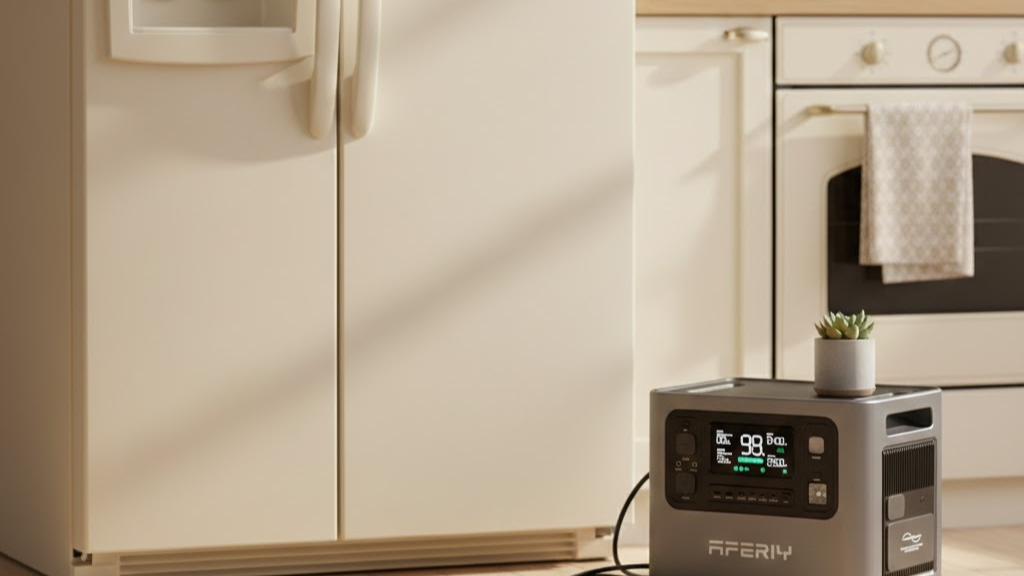
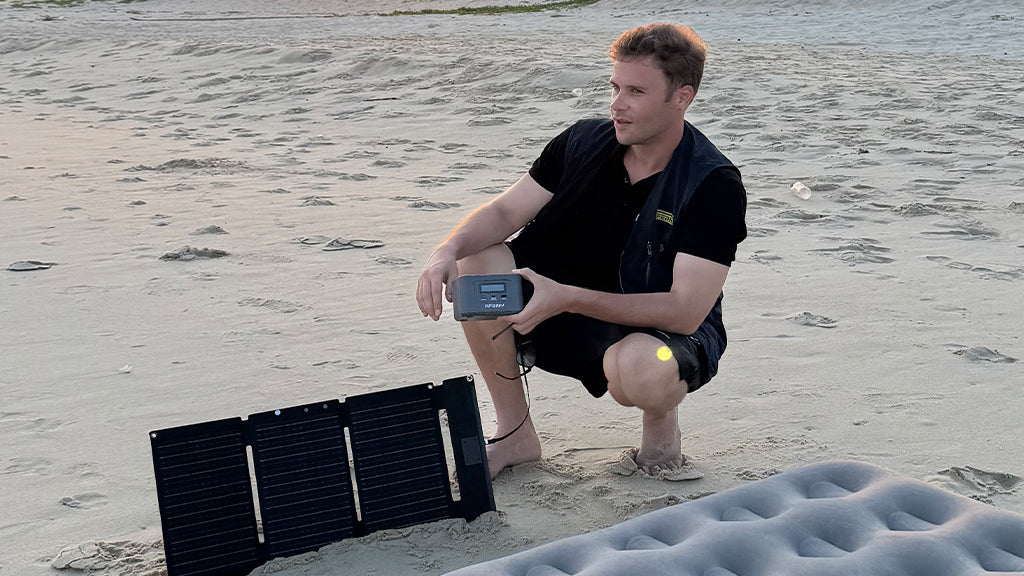
| Recommended Use | Camping, automotive, travel, light home use | High power, home, caravan, van, camping, job sites, long runtimes | Camping, automotive, travel, light home use |
| 👉 | Buy P310 | Buy P280 | Buy P210 |
Model |
AF-P010
|
AF-P280
|
AF-P210
|
AF-P310
|
Coffee Maker (1100W) |
/ | About 1.6 h | About 1.6 h | About 2.8 h |
Microwave (700W) |
About 0.6 h | About 2.5 h | About 2.5 h | About 4.4 h |
Electric Grill (1000W) |
/ | About 1.7 h | About 1.7 h | About 3.1 h |
Hair Dryer (1600W) |
/ | About 1.1 h | About 1.1 h | About 1.9 h |
Electric Kettle (800W) |
About 0.5 h | About 2.1 h | About 2.1 h | About 3.8 h |
Refrigerator (150W) |
About 2.7 h | About 10.9 h | About 10.9 h | About 20.4 h |
Electric Drill (1000W) |
/ | About 1.7 h | About 1.7 h | About 3.2 h |
Lawn Mower (1400W) |
/ | About 1.2 h | About 1.2 h | About 2.3 h |
CPAP Machine (60W) |
About 6.2 h | About 24.9 h | About 24.9 h | About 46.6 h |
Television (110W) |
About 3.6 h | About 6.8 h | About 14.5 h | About 27.2 h |
Mobile Phone (15W) |
About 17.4 h | About 32.6 h | About 69.6 h | About 130.6 h |
Laptop (100W) |
About 4 h | About 15.8 h | About 15.8 h | About 29.7 h |
The power supply time provided by the portable power station for devices is an estimate, and the actual available capacity is influenced by factors such as battery conversion efficiency, remaining charge, and self-consumption. When powering devices, the portable power station experiences energy loss, with the conversion efficiency of LiFePO4 batteries being approximately 85%. Additionally, to extend battery life, the system limits complete discharge, meaning the battery typically does not discharge to 100% or fully charge. During operation, the portable power station also consumes a portion of energy for its own management and conversion. If the power supply is in AC mode, the battery consumes about 10W per hour.
 Free shipping from US local warehouse