












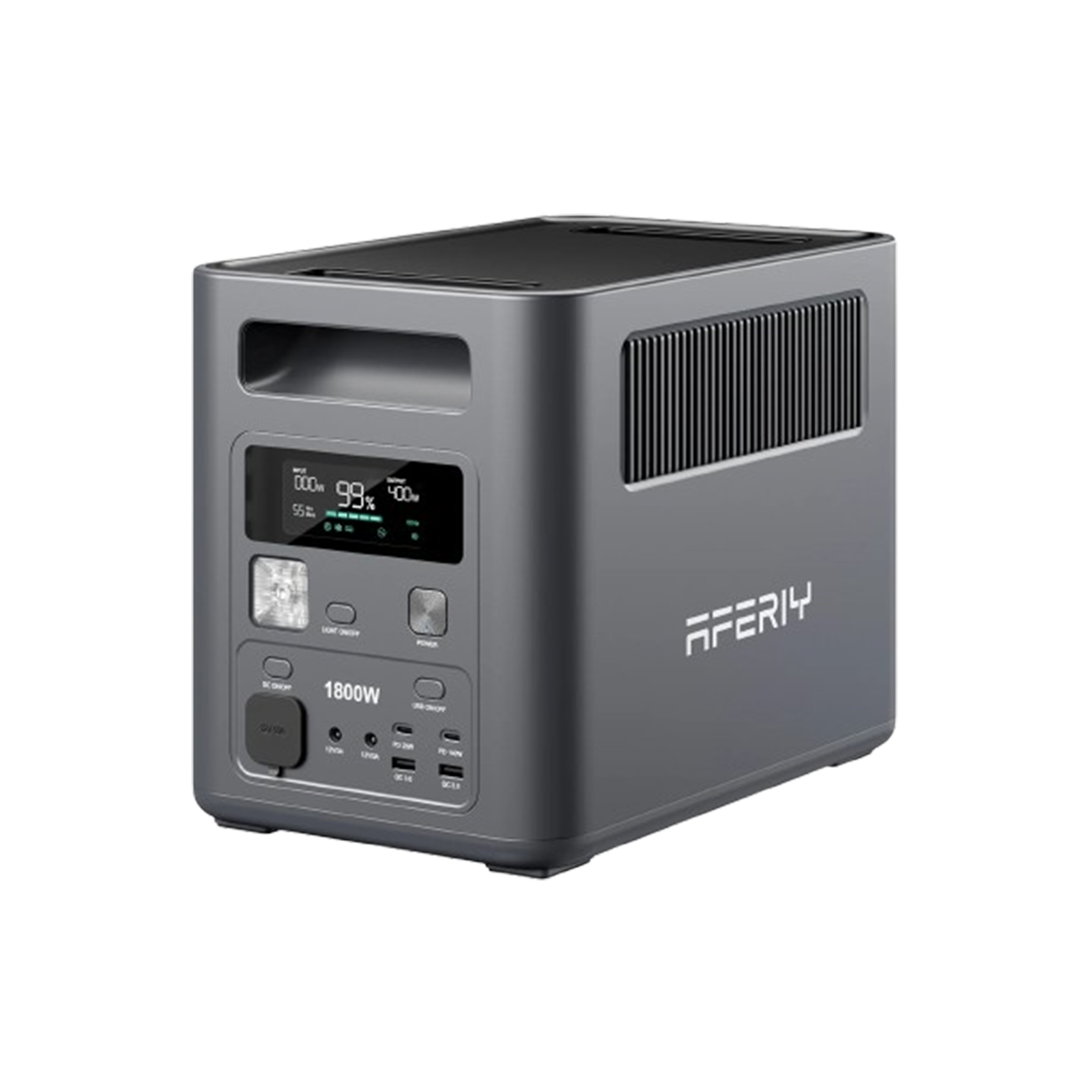

Proper installation is key to safety. Always have your home backup battery installed by a licensed professional, especially when integrating with your home's electrical system. Avoid placing it in humid or overly hot environments, and follow maintenance guidelines provided by the manufacturer. In short, when you choose a quality product and use it properly, home backup batteries offer reliable and safe power storage for emergencies and daily backup needs.
When planning usage, calculate the total wattage of your devices and divide the battery capacity by that number. Keep in mind that portable power stations lose a small percentage of energy through inverter inefficiencies, so they always leave some buffer. Whether for camping, remote work, or emergency backup, a portable power station gives you flexible, quiet, and eco-friendly power—just choose a model that fits your energy needs.
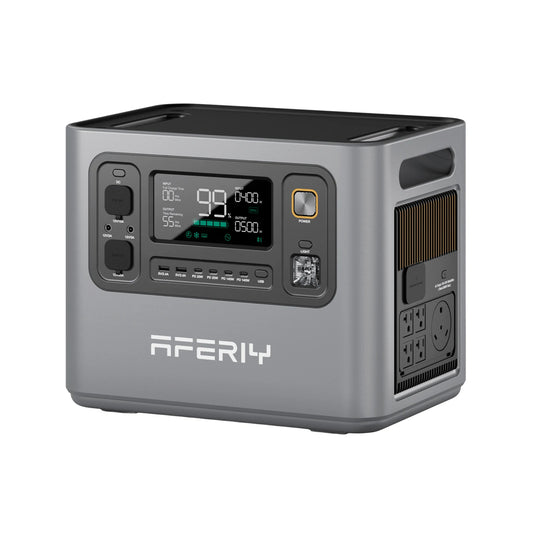
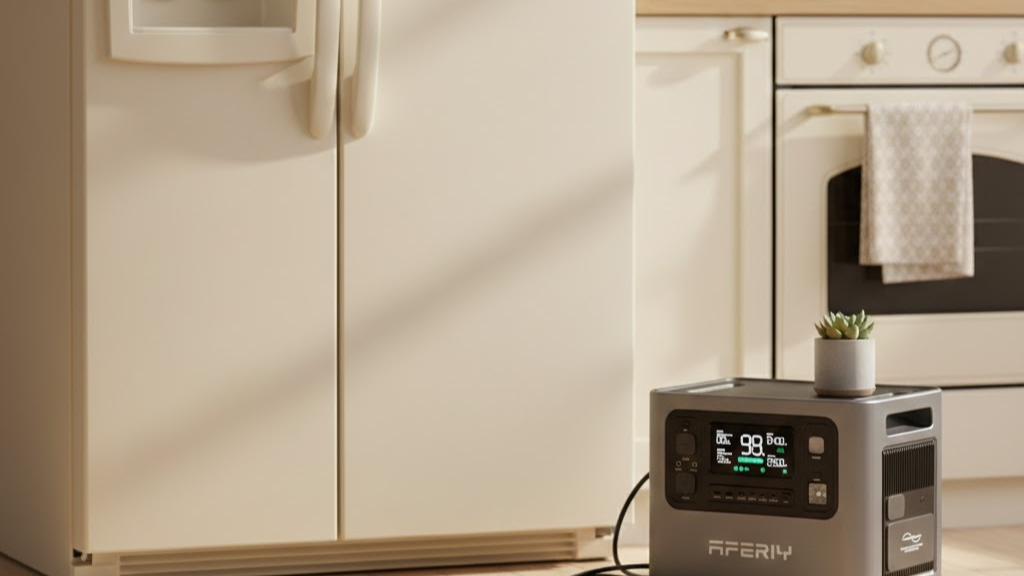
Choose a portable power station with at least 1000Wh of battery capacity and a high enough continuous output (usually 1000W or more). This setup can power a small fridge for 6–12 hours, depending on usage cycles. For a longer runtime, you can combine the portable power station with solar panels to recharge during the day. Using a portable power station for your refrigerator is a practical solution during blackouts, camping, or off-grid living.
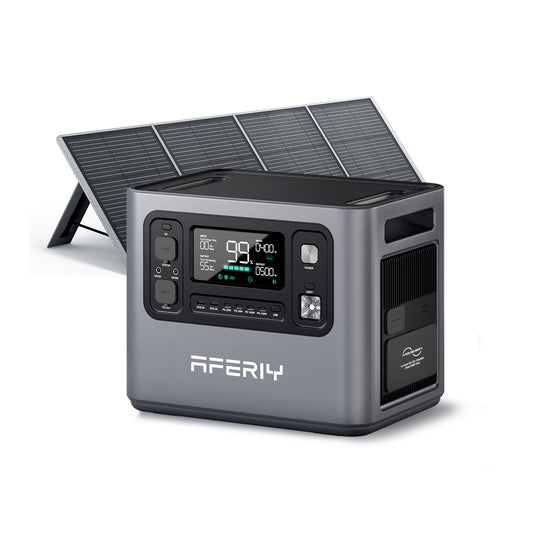
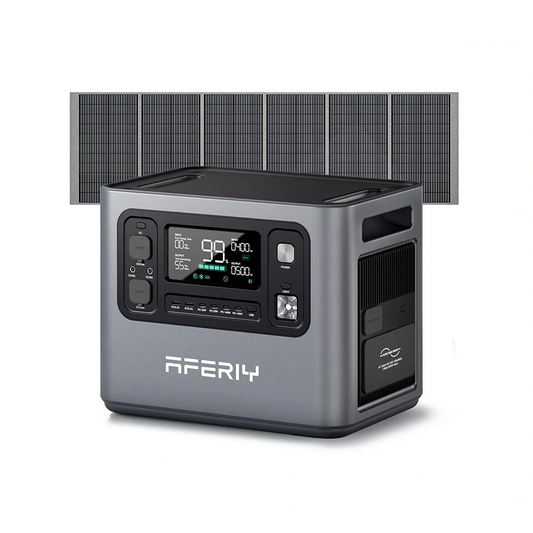
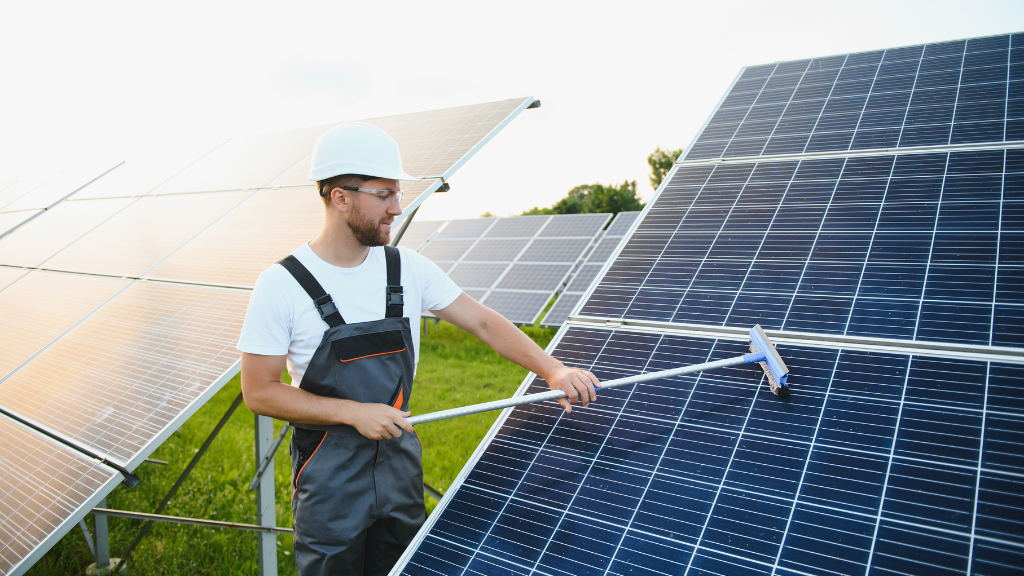
Yes, most portable power stations can be recharged using solar panels, making them perfect for off-grid living or eco-friendly backup power. When paired with compatible solar panels, your portable power station becomes a solar generator capable of running essential devices without access to the grid. This is especially useful for camping, emergencies, or RV living.
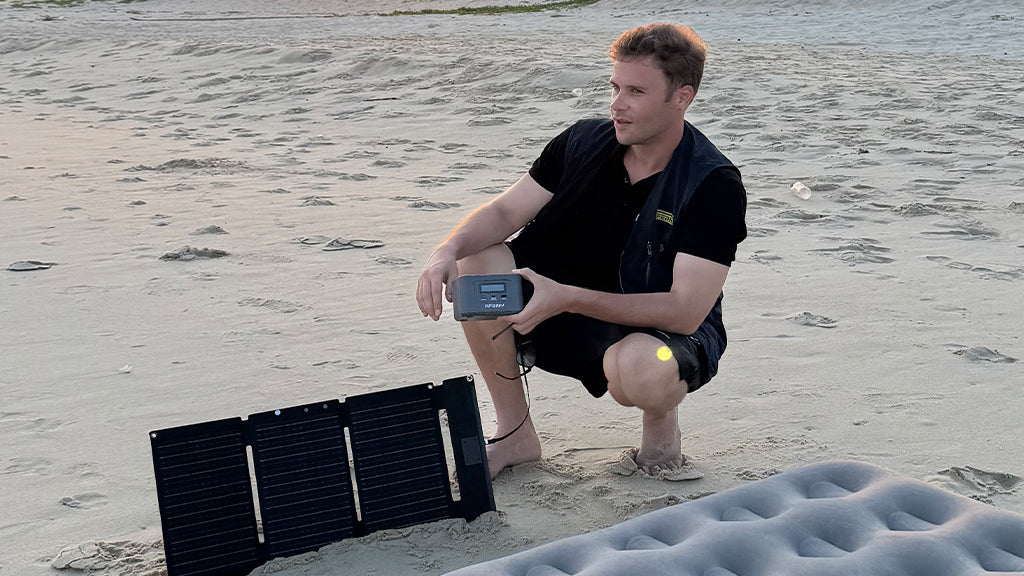
To use solar charging, check if your portable power station has a solar input port and MPPT controller (for faster, more efficient charging). You’ll also need solar panels with matching voltage and connectors. Recharging time depends on panel wattage and sunlight conditions—100W panels may take 6–10 hours to charge a 500Wh unit. With the right setup, your portable power station can be a clean and renewable energy source wherever you go.
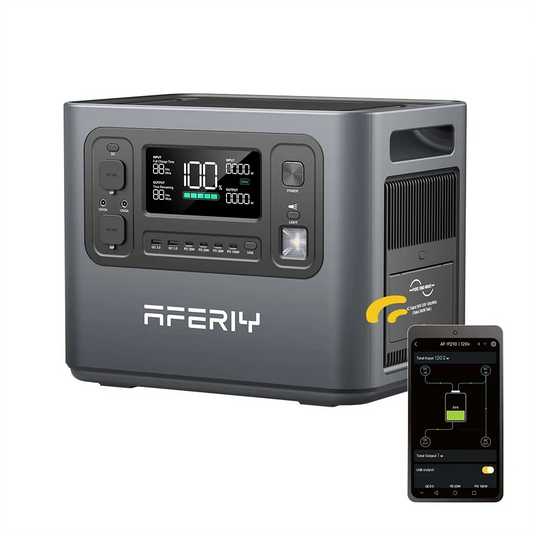
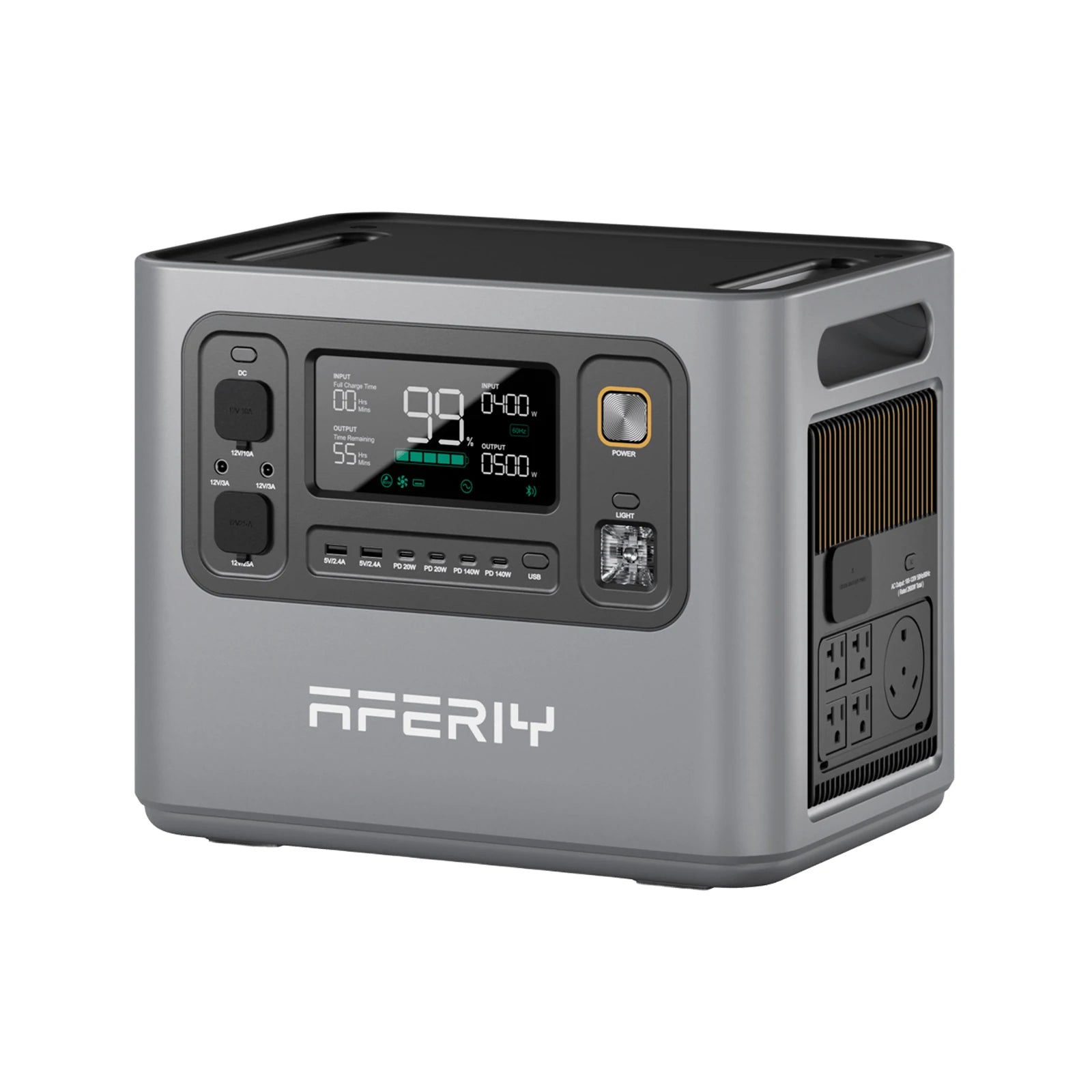
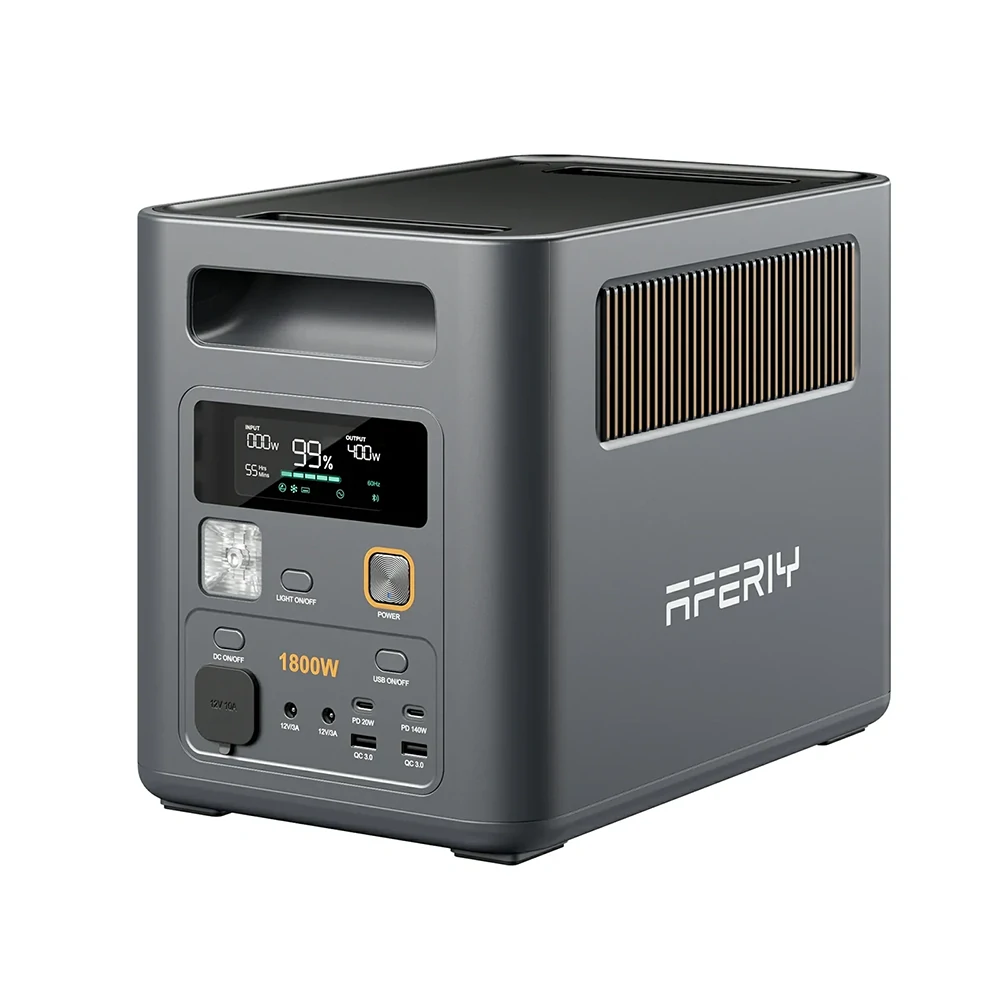
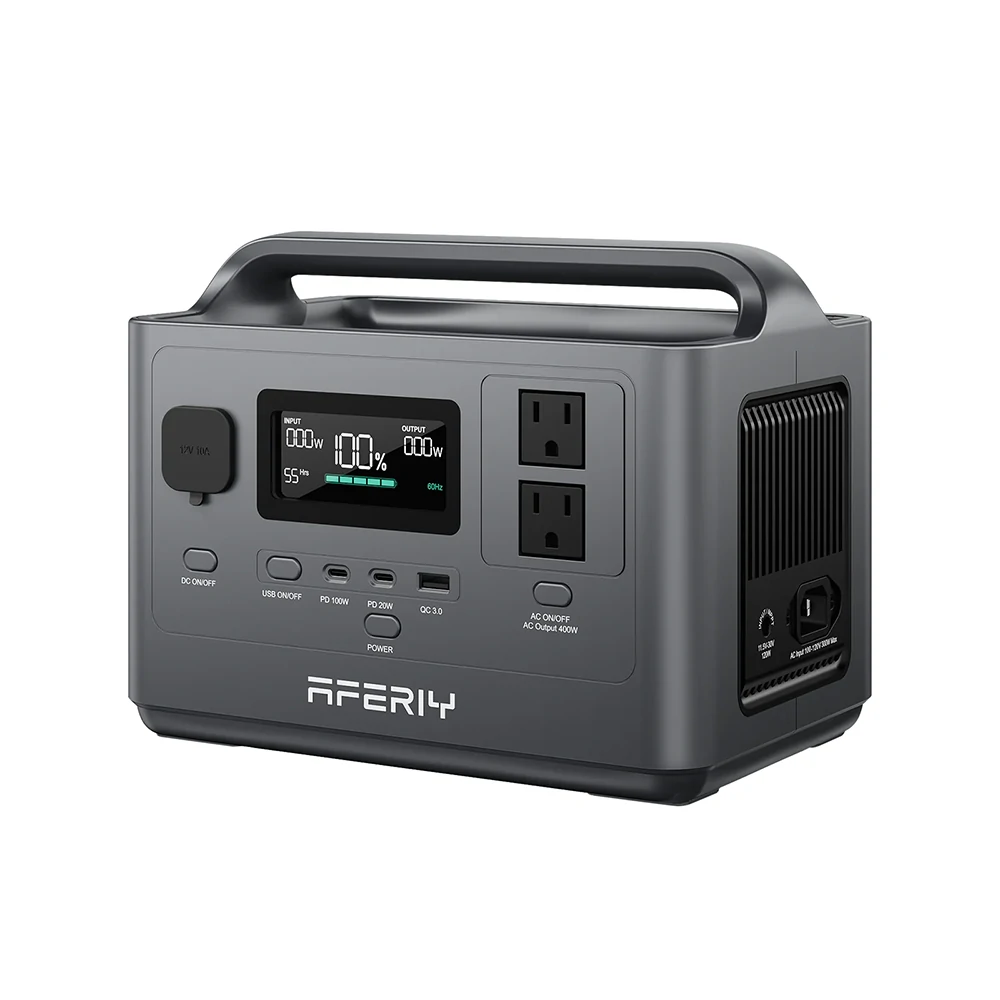
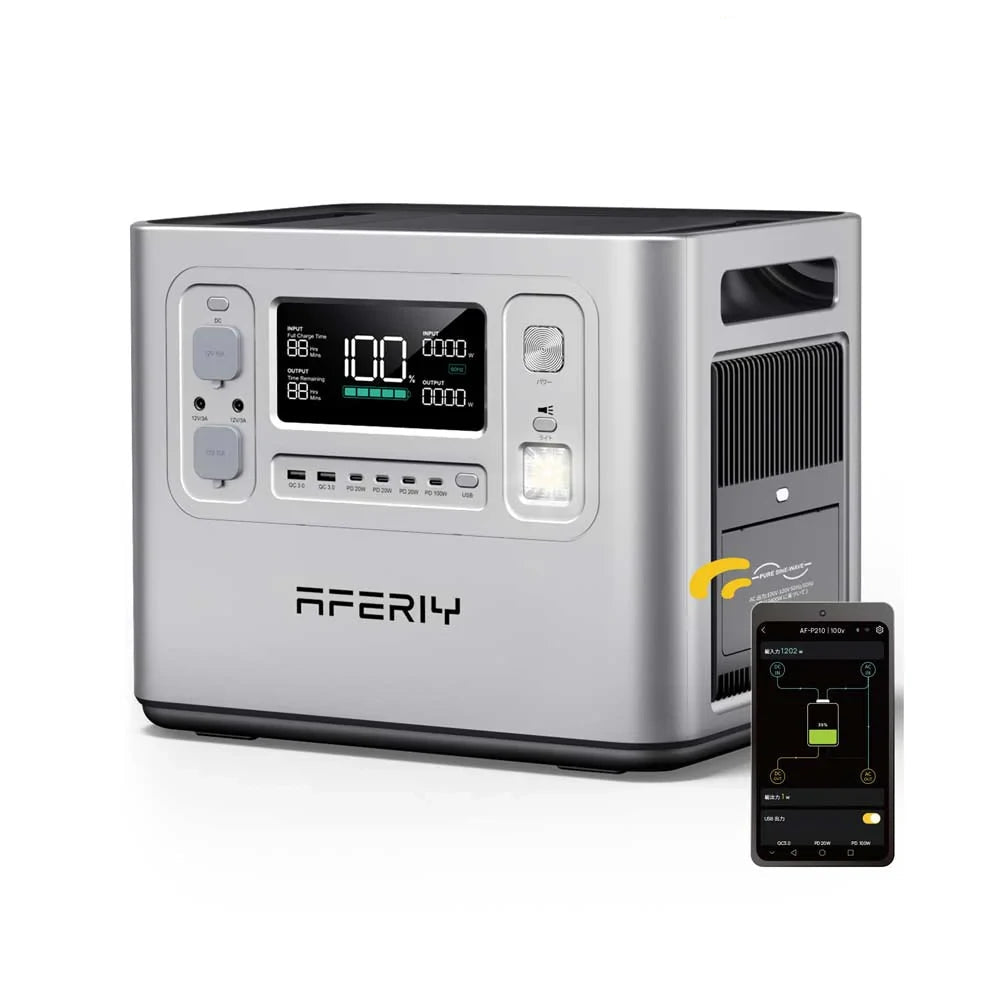
When choosing a portable charging station for the outdoors, look for features like solar input compatibility, LED lighting, and pass-through charging. These functions allow you to power your devices while recharging the portable charging station in sunlight. Just be cautious—extreme temperatures and water exposure can degrade performance. For best results, keep your portable charging station under shade or shelter when not in use and avoid leaving it in damp conditions overnight.
For longer outages, consider a portable charging station with solar panel compatibility so you can keep it recharged without relying on grid power. This makes it an eco-friendly and reliable energy backup solution. Many households now keep a portable charging station in emergency kits, especially in regions prone to storms, wildfires, or rolling blackouts. Having a portable charging station on hand ensures that your essential devices stay online even when everything else goes dark.
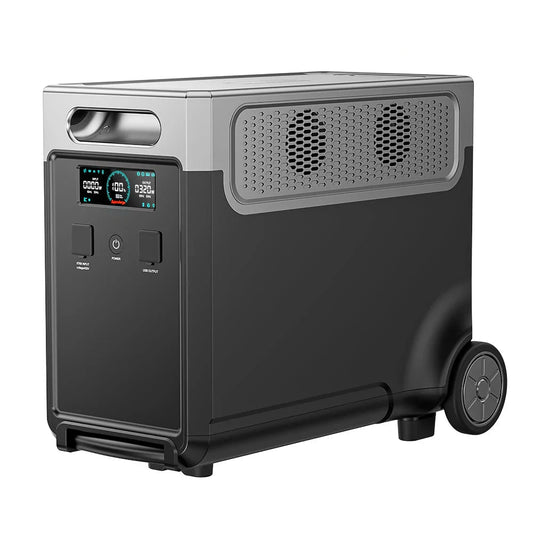
To power air conditioning effectively, you’ll need a backup home battery with high output (3000W or more) and large storage capacity (5 kWh or above). Some advanced backup home batteries can even integrate with solar panels to extend runtime during hot days. Though costly, this setup provides comfort and safety during summer blackouts. Be sure to consult an electrician to ensure your backup home battery can support your specific cooling needs.
To power air conditioning effectively, you’ll need a backup home battery with high output (3000W or more) and large storage capacity (5 kWh or above). Some advanced backup home batteries can even integrate with solar panels to extend runtime during hot days. Though costly, this setup provides comfort and safety during summer blackouts. Be sure to consult an electrician to ensure your backup home battery can support your specific cooling needs.
Some backup home batteries also work with gas or dual-fuel generators, creating a hybrid system that allows for faster recharging. Make sure your system is configured to support off-grid charging and that your solar inverter is designed for blackout operation. With the right setup, a backup home battery offers a flexible and resilient energy solution that keeps your lights on and your fridge running even when the grid is down.
However, be aware of the station’s total output capacity. If the combined wattage of all connected devices exceeds the rated power of your portable charging station, it may shut down or reduce output to protect the system. Higher-end portable charging stations have smart power distribution systems that automatically balance the load, ensuring every device gets what it needs. This versatility is why a portable charging station has become an essential gadget for modern, on-the-go lifestyles.
 Free shipping from US local warehouse