











FPL Power Loss During Florida Hurricanes: How to Prepare with Backup Power
Florida’s hurricane season brings a recurring risk of power outages. Strong winds, lightning, falling trees, flooding, and other storm-related damage can affect the electric grid, sometimes leaving homes without power while restoration crews assess and repair the damage.
For households in FPL’s service area, preparing for a potential FPL power loss is about more than keeping a flashlight nearby. Refrigeration, communication, lighting, cooling, and medically necessary equipment may all depend on electricity. Knowing when hurricane activity is highest, what you actually need to power, and how much battery capacity those devices require can make an outage much easier to manage.

When Is Hurricane Season in Florida?
Florida is part of the Atlantic hurricane basin, where the official hurricane season runs from June 1 through November 30. Tropical systems can develop outside those dates, but the official six-month period covers the main part of the Atlantic hurricane season.
Activity is not evenly distributed across those six months. The Atlantic season reaches its climatological peak around September 10, with most activity occurring between mid-August and mid-October. That makes late summer and early fall an important time to have an outage plan and backup power ready.
FPL also recommends preparing before a storm arrives, including having emergency plans, checking flashlights and batteries, and making arrangements for household members who rely on electrically powered medical equipment.
The timing matters because once a storm is approaching, batteries, generators, fuel, and other emergency supplies can become harder to find. A charged backup power station sitting at home is much more useful than one that still needs to be purchased or tested.
What Causes FPL Power Loss During Hurricane Season?
Hurricanes can damage the electric system through high winds, lightning, falling vegetation, flooding, and debris. But an FPL power loss does not necessarily mean a hurricane is responsible. FPL also identifies vegetation, animals, vehicle accidents, equipment problems, and other events as potential causes of outages.
When the power goes out, the first step is to check whether the outage has already been reported. FPL’s Power Tracker provides information such as when an outage was reported, the number of customers affected, its reported cause, current status, and an estimated restoration time. FPL notes that the restoration estimate can change as crews receive more information and assess the work required.
That distinction is useful during a major storm. You may know that an outage has been reported without knowing exactly when your home will be reconnected. FPL says restoration information develops as crews assess damage and prioritize repairs after significant storms.
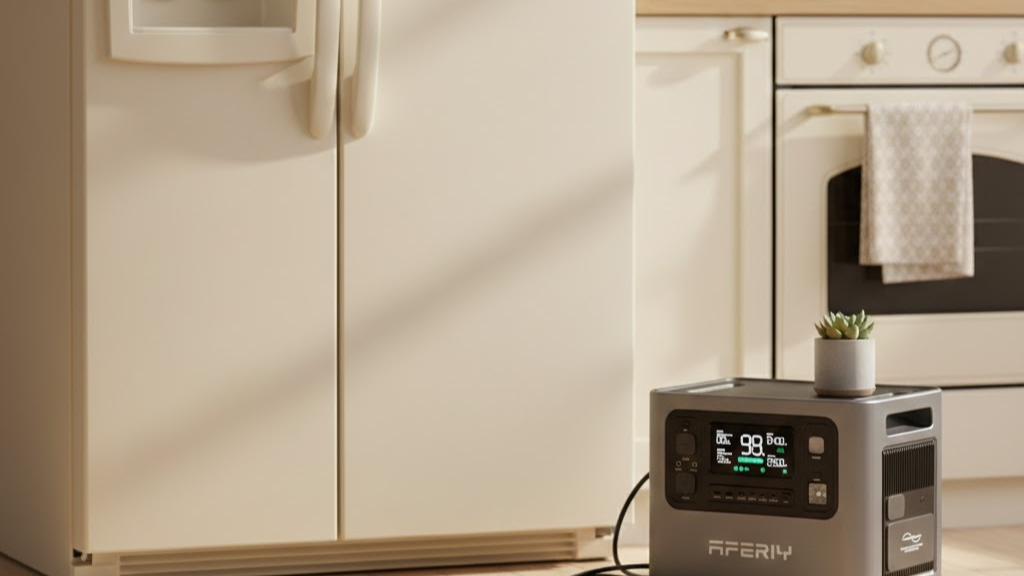
A backup battery does not replace the grid. It simply gives you another source of electricity while you wait for the grid to come back.
How to Prepare Your Backup Power Before a Florida Hurricane
Start with the equipment you already own. Charge the power station fully, check the cables and adapters, and make sure you know which outlets or ports your essential devices will use.
Then make a short list of the loads that matter most. A refrigerator may be near the top of the list, followed by phones, a Wi-Fi router, lights, fans, or medical equipment. You do not need to plan for every appliance in the house if your goal is to maintain essential power.
Testing the setup beforehand is also worthwhile. Connect the devices you expect to use and check their actual power consumption if your power station provides that information. This gives you a much better idea of battery life than simply dividing the advertised battery capacity by the rating of one appliance.
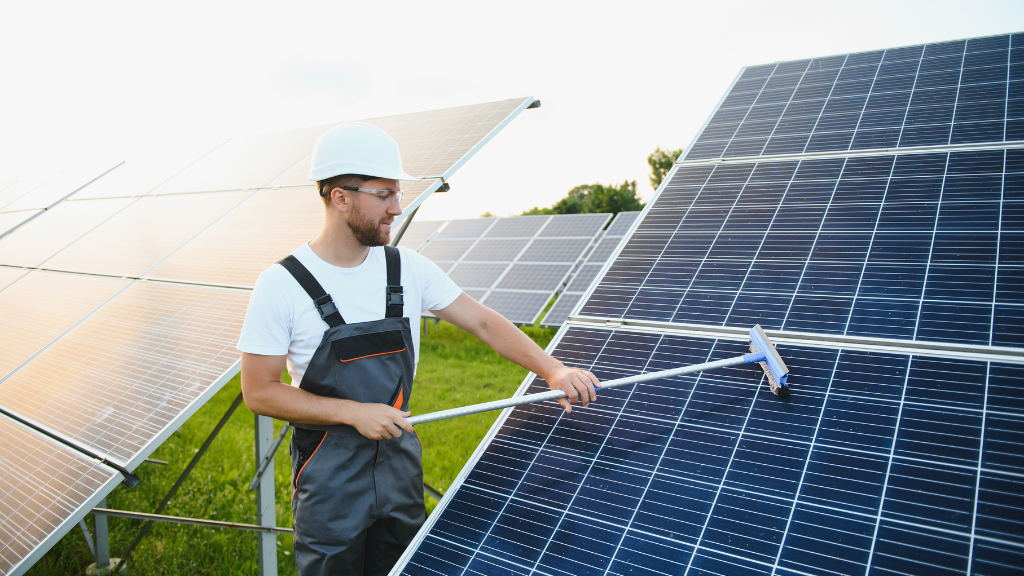
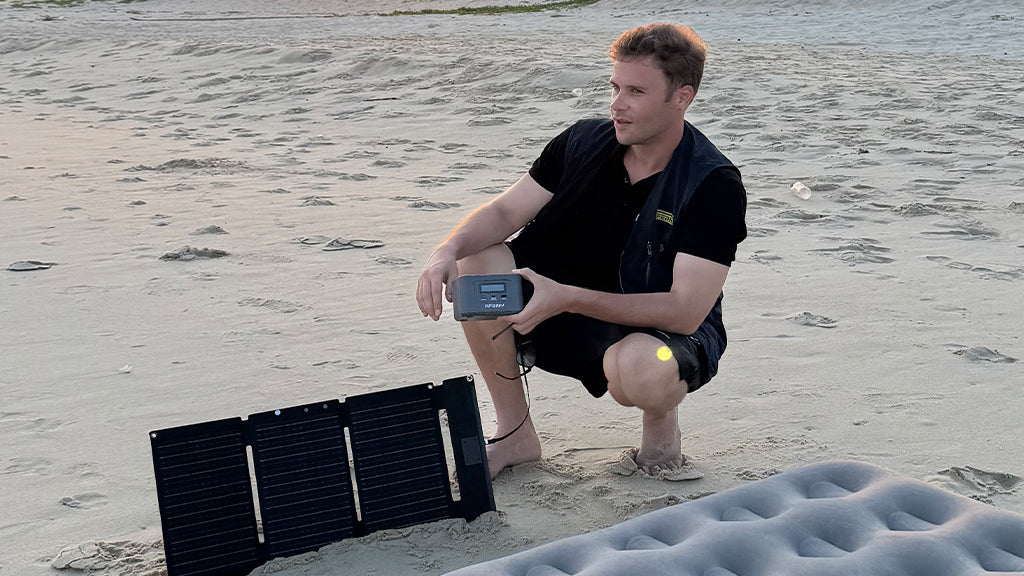
If solar charging is part of your plan, keep the panels and cables together and test the connection before hurricane season. Solar production depends on available sunlight, so cloudy or rainy weather can reduce charging speed. It is better to think of solar as a way to replenish or extend stored energy when conditions allow, rather than assuming it will provide a fixed amount of power every day.
Where you store the equipment matters in Florida, too. Keep batteries, cables, and other electrical equipment in a dry location protected from flooding. FPL advises customers to stay away from downed power lines and flooded or debris-covered areas that could conceal electrical hazards.
What Should You Keep Running During an FPL Power Loss?
During an FPL power loss, focus on the devices that are most important for food storage, communication, comfort, and essential needs rather than trying to power the entire house.
Refrigerators and freezers are a priority because keeping food cold can help reduce spoilage. Since compressors cycle on and off and may require more power when starting, check the appliance’s running and startup requirements when choosing backup power.
For communication and basic lighting, keep phones, Wi-Fi equipment, and a few LED lights powered. These devices generally require much less electricity than major appliances, so they can be maintained without using a large share of the battery.
In Florida’s heat, a portable fan can also be useful during an extended outage. If anyone in the household relies on electrically powered medical equipment, make that equipment a priority and have a separate backup or relocation plan. FPL notes that its Medically Essential Service program does not guarantee uninterrupted power, so customers remain responsible for having backup power available.
How Much Emergency Backup Power Do You Need?
Sizing emergency backup power comes down to three things: running power, startup power, and battery capacity.
Watts (W) tell you how much power your appliances need to operate. Watt-hours (Wh) tell you how much energy the battery stores. For example, a device using an average of 100W for five hours would require about 500Wh before accounting for conversion losses.
For multiple devices, estimate your energy needs with: Required Energy ≈ Average Load × Operating Time
The result is only an estimate. Refrigerators and other motor-driven appliances cycle on and off, while inverter efficiency and operating conditions also affect actual runtime.
You also need to check the power station’s continuous AC output and startup capability. A battery may have plenty of capacity but still fail to start an appliance if its initial power demand exceeds the inverter’s output.
Before choosing a power station, list the appliances you plan to run, how long you expect to use them, and their running and startup requirements. This gives you a more realistic target for both output and capacity than simply choosing the largest battery available.
What Size Power Station Is Suitable for a Florida Hurricane Outage?
The power station you need depends on how long the outage lasts and what you need to keep running. A few hours of basic backup require much less energy than keeping a refrigerator and other essentials running overnight or for several days.
For a 4–12 Hour Outage
For a short outage, focus on phones, Wi-Fi, LED lights, and a fan used intermittently. An average load of around 100W would use about 1,200Wh over 12 hours, before accounting for conversion losses.
A 1,000–1,500Wh power station can provide a reasonable starting point for this type of essential backup, depending on the actual devices and how often they are used.
For a 12–36 Hour Outage
Once an outage extends overnight, refrigeration becomes more important. The U.S. Department of Energy estimates that a typical household refrigerator uses about 1.5–2.0kWh per day, although actual consumption varies by model.
For a refrigerator combined with Wi-Fi, lighting, phone charging, and occasional fan use, a 2,000Wh-class power station or larger provides substantially more stored energy. It also needs sufficient AC output and startup capability for the refrigerator’s compressor.
For a 2–5 Day Outage
For a multi-day outage, a household running a refrigerator, Wi-Fi, lights, phones, and an occasional fan may need roughly 2–2.5kWh of energy per day. That means about 4–5kWh for two days, 6–7.5kWh for three days, and 10–12.5kWh for five days. These are planning estimates; actual consumption varies by appliance and usage. The U.S. Department of Energy estimates a typical household refrigerator alone uses about 1.5–2.0kWh per day.
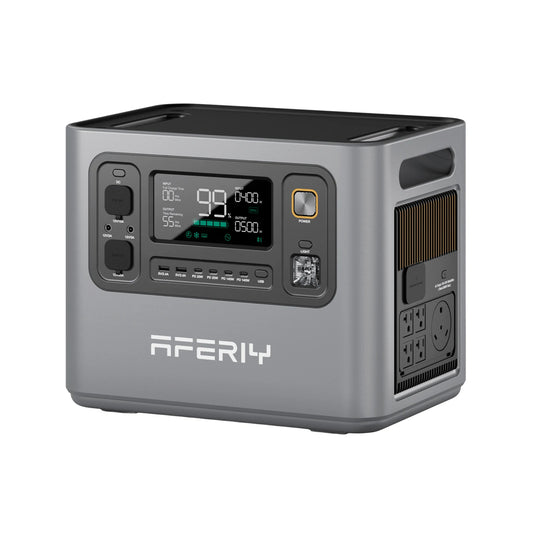
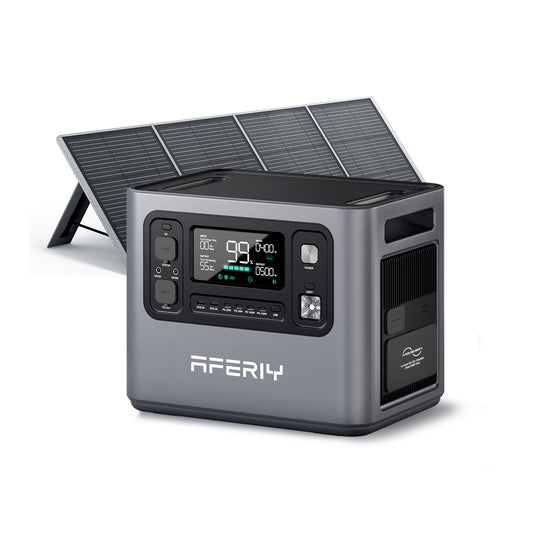
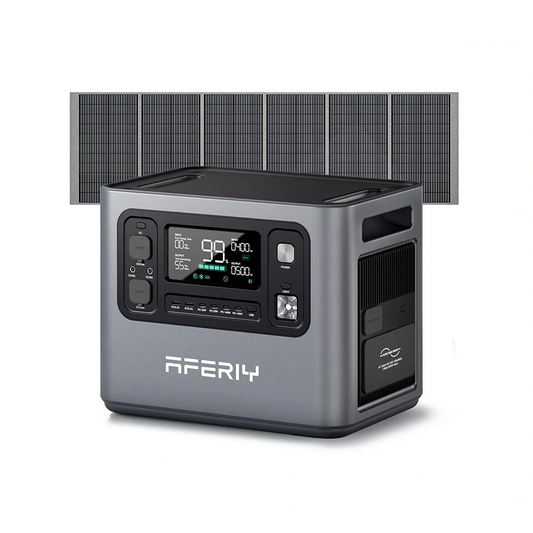
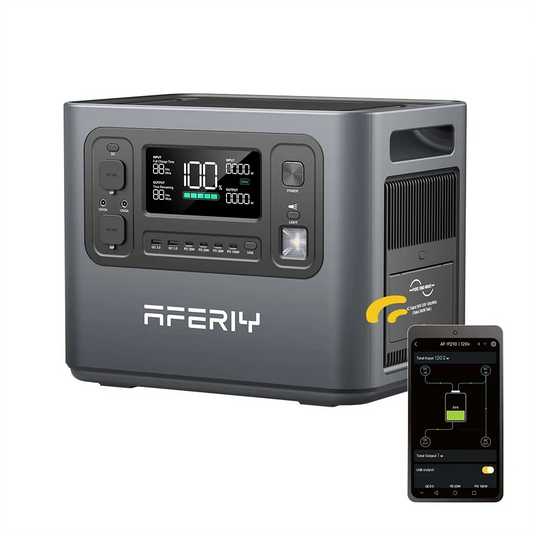
For outages lasting several days, expandable capacity and solar charging become more useful than a fixed-size battery. The AFERIY P300 Portable Power Station starts with 2,048Wh and can expand to 10,240Wh, with 3,000W AC output and up to 1,200W solar input. This gives households more stored energy for extended backup while allowing the system to be recharged when sunlight is available.

The actual setup still depends on the loads. A refrigerator, lights, Wi-Fi, and fans require much less power than central air conditioning or other high-demand appliances.
FAQs
How Long Can an FPL Power Loss Last?
The duration of an FPL power loss depends on the severity of the storm and the damage to local infrastructure. Recent FPL restoration data provides a useful reference:
-
Moderate hurricane impact: About 2 days — FPL restored roughly 95% of affected customers after Hurricane Helene in 2024.
- Major hurricane impact: About 4–5 days — FPL restored 95% of affected customers after Hurricane Milton in 2024 and reached about 99% restoration within five days. - Severe, catastrophic impact: Around one week or longer — after Hurricane Ian in 2022, FPL reached 99.8% restoration eight days after the storm.
Individual homes may take longer to be restored, particularly in areas with extensive flooding, storm surge, tornado damage, or damaged home electrical equipment.
How can I check an FPL power outage?
FPL’s Power Tracker allows customers to check reported outages and view information including the estimated restoration time, customers affected, cause, and current status. You can also report an outage through FPL’s website or by calling 1-800-4-OUTAGE (1-800-468-8243).
How do I choose emergency backup power?
Start by identifying the appliances and electronics you need during an outage. Add their expected loads, check the highest startup requirement, and estimate how long you want them to operate. Then choose a power station with sufficient AC output and battery capacity, with solar or expandable storage considered if the outage may last longer.
Conclusion
Florida’s Atlantic hurricane season runs from June 1 through November 30, with activity typically peaking around September 10.
For an FPL customer, preparing for an outage means identifying essential loads and estimating how long they may need backup power. The right hurricane backup power setup should provide enough output for those appliances and enough capacity for the expected outage, making it easier to choose an emergency backup power solution without oversizing the system.
 Free shipping from US local warehouse