














How to Celebrate Diwali at Home: Lights, Decorations, and Ideas
Diwali, also known as Deepavali, is one of the most widely celebrated festivals in South Asian culture. In 2026, Diwali falls on Sunday, November 8. If you are wondering when Diwali is celebrated, the date changes each year according to the Hindu lunar calendar, usually falling between October and November. Observed by millions of people around the world, the festival is associated with new beginnings, prosperity, and the triumph of light over darkness.
Whether you are continuing family traditions or planning your first Diwali gathering, preparing your home can make the occasion more meaningful. From traditional decorations and festive lighting to food and activities with family and friends, this guide explores practical ways to celebrate Diwali at home.

What Is Diwali and Why Is It Celebrated?
Diwali is an important religious and cultural festival celebrated primarily by Hindus, Jains, and Sikhs, with each community observing it according to its own beliefs and traditions. Although the festival has different meanings across these faiths, it is widely associated with the victory of good over evil, the triumph of knowledge over ignorance, and the hope that light brings to people’s lives.
For many Hindus, Diwali is associated with Lord Rama’s return to Ayodhya after defeating Ravana, while other Hindu traditions emphasize the worship of Goddess Lakshmi, who represents wealth and prosperity. Jain communities observe Diwali in connection with the liberation of Mahavira, while Sikhs commemorate Bandi Chhor Divas, which marks the release of Guru Hargobind Ji from imprisonment.
Today, Diwali is celebrated by communities across India and around the world, including Indian American and other South Asian communities in the United States. While specific customs vary, the festival remains an important occasion for preserving cultural heritage and passing traditions between generations.
How to Prepare Your Home for Diwali
Preparing your home before Diwali helps create a comfortable setting for celebrations. Rather than decorating every room, focus on the spaces where family members gather and guests are most likely to spend time.
Clean and Organize Your Living Space
Cleaning is an important part of Diwali preparation in many households. Start with the entrance, living room, and kitchen, removing clutter and making space for decorations, food, and guests.
Pay attention to frequently used surfaces, seating areas, and dining spaces. If you are hosting a gathering, arrange furniture to leave enough room for people to move around comfortably. A tidy home also makes it easier to display lamps, flowers, and other decorations without overcrowding the space.
You can involve family members in the preparation by assigning simple tasks, such as organizing decorations, arranging cushions, or setting the dining table. This makes getting ready part of the celebration rather than a last-minute chore.
Set Up a Welcoming Entrance
The entrance is often one of the first areas decorated for Diwali. A rangoli design made with colored powder, rice flour, or flower petals can create a traditional welcome for visitors. Some families also place a toran, a decorative hanging made with flowers or other materials, above the doorway.
Keep the design appropriate for the available space. A small floral arrangement or a simple rangoli can work just as well as a more elaborate display, particularly in apartments or homes with limited entryway space.
Diwali Decoration Ideas to Brighten Your Home
Lighting and colorful decorations help create the atmosphere associated with Diwali. Combining traditional elements with practical modern lighting can make different areas of your home feel festive without requiring extensive changes.
Create a Warm Glow with Diwali Lights
Decorative lighting is one of the easiest ways to transform a living space. LED string lights can be arranged along balconies, windows, shelves, or doorways, while warm-white lights create a softer atmosphere in living rooms and dining areas.
Consider using different lighting arrangements for different spaces:
Living room: Add warm LED string lights around shelves or windows to create a welcoming setting for family gatherings.
Entrance: Combine decorative lights with flowers or a toran to highlight the doorway.
Balcony or patio: Use suitable outdoor-rated string lights to brighten the space for evening gatherings.
Dining area: Choose subtle accent lighting that complements the table setting without making the room too bright.
Before installing lights, check the product’s instructions and make sure indoor and outdoor lights are used in the appropriate locations. Avoid overloading outlets or connecting more light strings than the manufacturer recommends. Battery-powered LED candles are another option for decorative areas where access to an outlet is limited.
Add Traditional Diwali Decorations
Traditional decorations can bring cultural meaning and personal character to your home. Diyas, small clay lamps traditionally filled with oil or ghee and fitted with cotton wicks, are among the most recognizable symbols of Diwali.
You can arrange diyas on stable trays or designated surfaces near the entrance, windows, or a prayer area. Fresh flowers, marigold garlands, colorful fabrics, and rangoli designs can add texture and color without making the space feel crowded.
If you use real flames, place lamps on heat-resistant surfaces and keep them away from curtains, paper decorations, furniture, and other flammable materials. Never leave burning diyas or candles unattended. For homes with children or pets, battery-operated LED diyas can provide a similar decorative effect with fewer fire risks.
The goal is to create a balanced display. A few thoughtfully arranged decorations often make a stronger impression than filling every available surface.
Diwali Celebration Ideas for Family and Friends
Beyond decorations, Diwali is an opportunity to spend time with loved ones and share traditions. A celebration does not need an elaborate schedule. A few meaningful activities can make the evening enjoyable for guests of different ages and backgrounds.
Prepare Traditional Foods and Sweets
Food is an important part of many Diwali celebrations. Families often prepare special meals and share mithai, a broad category of traditional South Asian sweets. Popular choices include ladoo, barfi, kaju katli, and gulab jamun, although the dishes served vary by region and household.
If you are hosting guests, plan a menu that can be prepared ahead of time. You might serve a combination of savory snacks, a main meal, and a selection of sweets. Ask guests about dietary preferences and food allergies before planning the menu, especially when serving a larger group.
You can also make food preparation a family activity. Children and other family members can help arrange sweets, prepare simple snacks, or set up serving plates.
Share Gifts and Spend Time Together
Exchanging gifts is another tradition in many Diwali celebrations. Sweets, dry fruits, decorative items, and thoughtful household gifts are common choices. The value of a gift is less important than the gesture of sharing good wishes.
For a home gathering, prepare a small gift table or arrange individual packages before guests arrive. Families can also exchange greetings, visit relatives, or share stories about the traditions they grew up with.
If some guests are unfamiliar with Diwali, briefly explaining the meaning of the festival and the decorations can help everyone feel included. This is also a good opportunity for children to learn about family heritage and cultural traditions.
Enjoy Music, Cultural Activities, and Fireworks
Music, dancing, and cultural performances can add energy to a Diwali gathering. You can create a playlist of traditional and contemporary Indian music, organize a simple dance activity, or set up crafts for younger guests.
Families may also attend local temple programs, community celebrations, or public Diwali events. These gatherings often provide opportunities to experience performances, food, and cultural activities beyond the home.
Fireworks and sparklers are part of some Diwali celebrations, but they are not universal traditions. If you plan to use them, check local laws and restrictions first. Choose permitted locations, follow safety instructions, and keep children at a safe distance. You can also create a festive atmosphere with music and decorative lighting without using fireworks.
Outdoor Diwali Celebrations: Lighting and Power Tips
A balcony, patio, or backyard can provide extra space for a Diwali gathering, especially when you want to arrange decorative lighting or create an outdoor seating area. Before setting up, consider the available power outlets, weather conditions, and the electrical requirements of your decorations.
Start by choosing lights designed for outdoor use. Check their weather-resistance ratings and follow the manufacturer’s installation instructions. Keep electrical connections protected from rain and moisture, secure cables to prevent tripping, and avoid running extension cords through doorways or areas where they may be damaged.
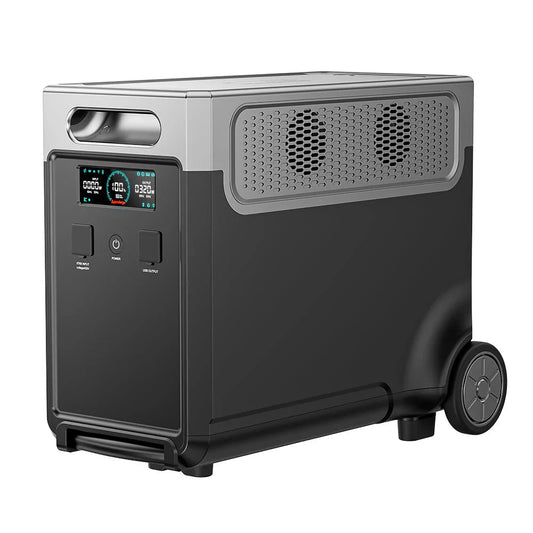
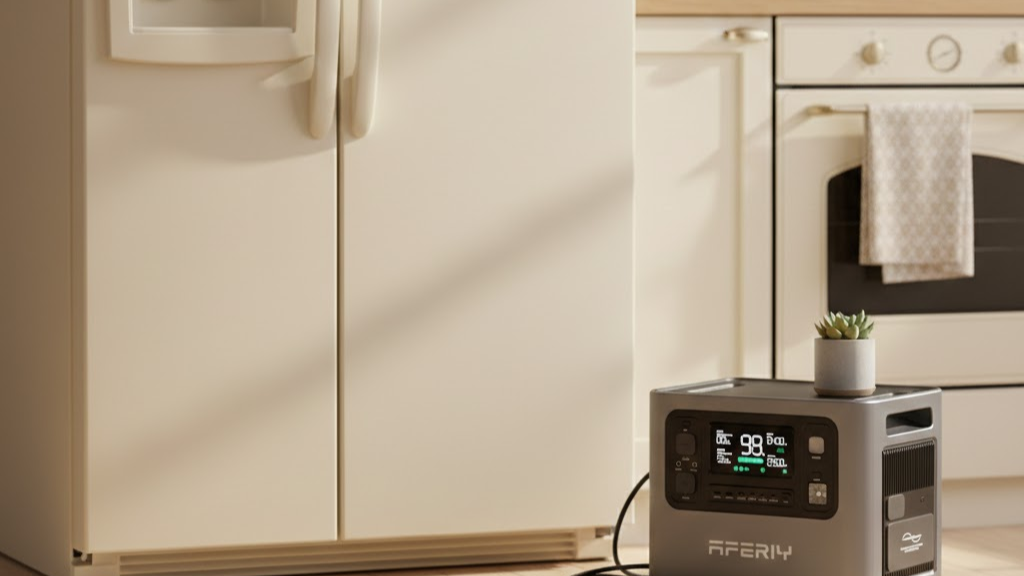
For outdoor spaces without convenient access to a household outlet, a portable power station can offer a flexible power source for compatible LED string lights, decorative lamps, and mobile devices. The AFERIY P180 Pro Portable Power Station is a practical option for these smaller outdoor setups. With 1,024Wh of battery capacity and 1,800W of continuous output, it can support multiple compatible devices within its rated limits. Its relatively lightweight 25.5-lb design also makes it easier to move between a patio, backyard, or other gathering area. For longer celebrations or additional power needs, its capacity can be expanded up to 5,120Wh with compatible expansion batteries.

Before connecting your decorations, check their combined wattage and estimate how long you need them to run. This helps you determine whether the available battery capacity is sufficient for your gathering. Keep the power station in a dry, sheltered, well-ventilated location, and never expose it to rain or use it beyond its specified operating conditions.
With the right lighting arrangement and a suitable power source, you can create a welcoming outdoor space for Diwali celebrations while keeping electrical connections organized and safe.
Conclusion
Celebrating Diwali at home is about more than decorating a space. It is an opportunity to honor traditions, share food, reconnect with loved ones, and welcome the season with light and positivity. Whether you prefer traditional diyas and rangoli, modern LED decorations, or a gathering in your backyard, the most meaningful celebration is one that reflects your family’s customs and makes everyone feel welcome.
With thoughtful preparation, suitable lighting, and a few simple activities, you can create a warm and memorable Diwali celebration at home.
 Free shipping from US local warehouse