










Whole House Generator vs Portable Power Station: Which Is Right for Your Home?
Power outages are not a common phenomenon nowadays. Severe weather, aging power systems, and sudden power failures are making backup power a crucial consideration in modern home design. The question of a whole house generator vs Portable Power Station is frequently posed by homeowners when they have to make a decision on which of the two solution types is more suitable for them. All of them have their specific benefits in terms of power requirements, price, and lifestyle.
This is an article exploring the difference between a whole-house generator and a portable power station, in the hope of allowing you to select the appropriate option of a backup power option that fits your home. Let’s get it started.
What Is a Whole House Generator?
A whole-house generator is a permanently installed backup power system that will be used to supply the entire house in case an outage occurs. These are usually natural gas, propane, or diesel-fed generators that are hard-wired to the electrical panel in your house.
With the addition of a whole-house generator, there will be a seamless activation when a power outage occurs, andit will be operational within a few seconds. It can also control vital systems such as HVAC, refrigerators, water pumps, lighting, and, at the same time,e even high-power gadgets. A whole-house generator provides unparalleled reliability and comfort in the event of a power outage to a large home or a high-frequency outage due to power interruptions.
What Is a Portable Power Station?
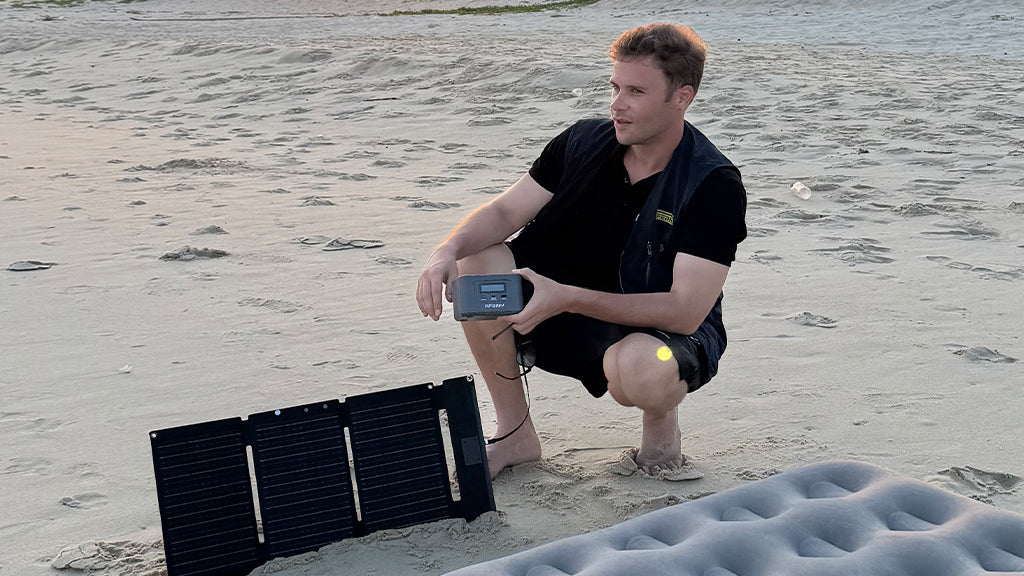
A portable power station is a small, rechargeable unit and power supply that is flexible and transportable. Unlike the generators based on fuel, the portable power stations do not produce any noise and produce zero emissions. They are typically rechargeable via a wall outlet, solar power,d or rechargeable with car batteries.

Portable power stations can best be used to provide critical equipment, such as TVs, laptops, routers, medical equipment, small appliances, and emergency lights. They are also widely used in camping, outdoor work, and travel, and therefore, they make a good alternative to a whole-house generator in cases where the power needs are less.
Key Differences Between Whole House Generators and Portable Power Stations
Although these two systems have backup power, they differ dramatically in the way they perform, their set-ups, and costs. These differences are critical in the comparison of a whole-house generator vs a portable power station since they are both solutions to different purposes based on the size of the household and energy needs.
1. Power Capacity and Usage
A whole-house generator is a high-power generator with an output that can be 10,000 to 24,000 watts or more. This is to enable it to operate almost anything at home.
A portable power station, in its turn, has been created in order to be used selectively. High-capacity models have the ability to serve a variety of appliances, but most often not a home. Nevertheless, the current power plants have amazing wattage that can serve most of the necessary appliances.
Knowing how many watts a house uses helps homeowners avoid overpaying for backup power they’ll never actually need.

2. Installation and Setup
A whole-house generator will demand professional electrical installation, permits, fuel connection, and general maintenance. It is an investment in infrastructure that is long-term.
A portable power station does not need to be installed at all. All you do is charge it and use your equipment. This makes it particularly appealing to renters or homeowners who desire to have a hassle-free backup.
3. Cost Comparison
Whole-house generators cost a lot. The overall expenses will be in the thousands to tens of thousands of dollars, including equipment, installation,n and permits.
Portable power stations are much less expensive. Even high-capacity models are a fraction of the cost of a whole-house generator, and are an outstanding consideration in budget-conscious households.
4. Flexibility and Portability
Whole-house generators are generally permanently installed in one location and are only used for one purpose.
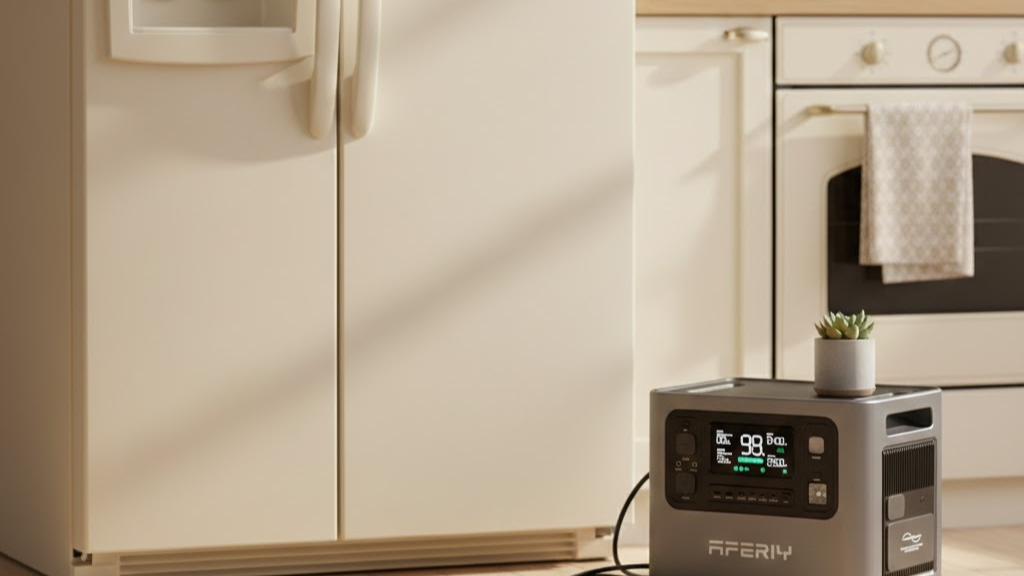
A portable power station is extremely versatile. It can be transported wherever; it is safe indoors and can even be brought on a trip. This is one of the greatest strengths of the product since the user can get more than home backup.
5. Safety and Reliability
Whole house generators are very dependable and, however, need a supply of fuel and maintenance.
Compared to generators, portable power stations are safer to use indoors, as there is no fume or carbon monoxide. Although they require a battery capacity to operate, they are very effective when it comes to short-term as well as medium-term outages.
6. Comparison Table
|
Feature |
Whole House Generator |
Portable Power Station |
|
Power Output |
Very High |
Moderate to High |
|
Installation |
Professional Required |
None |
|
Cost |
Very Expensive |
Affordable |
|
Portability |
Fixed |
Highly Portable |
|
Noise |
Loud |
Silent |
|
Indoor Use |
No |
Yes |
Which Backup Power Solution Is Right for Your Home?
The decision between a whole-house generator and a portable power station cannot be determined as a universal choice. What matters most in your final decision is the practical considerations in the form of energy need, way of life, finances, and the frequency with which you encounter power cuts. These factors will assist you in making your decision.
1. Factors to Consider Before Deciding
Prior to investing in a backup power solution, there are a number of factors that should be evaluated. The first one is to determine the amount of power your house requires during the time of an outage, and which appliances are necessary. Power demand is substantially high because of heating and cooling systems, medical equipment, refrigerators, and water pumps.
The second thing to do is to determine the frequency of power outages in your locality and the duration of power outages. The other important consideration is the budget, since a whole-house generator will demand a significantly higher initial and installation price compared to a portable one. There is also the consideration of available space, tolerance of noise, access to fuel, and whether to have a permanent system or a flexible and mobile system.
2. When to Choose a Whole House Generator
A whole-house generator would be the most suitable choice for homeowners who need to have powerthroughouth their houses. It is particularly appropriate in large homes, locations with high or extended blackouts, and homes that require central heating, air conditioning, or homes that may have several high-powered appliances.
A whole house generator should be considered in case you want automatic operation, a continuous flow of power, and be able to carry on with your home in case of an outage. It is more costly but much more reliable in the long term and convenient to those families who value complete home coverage and maximum power security.
3. When to Choose a Portable Power Station
Portable power stations would be the most suitable choice when the homeowner thinks about having a flexible, inexpensive, yet eco-friendly backup power source. As compared to a whole-house generator, it is not permanently installed, does not require fuel storage, and does not require complicated maintenance.
This is what makes it suitable for apartments, renting houses, and even houses that simply require powering up important appliances during the outages. Portable power stations also do not produce noise, emit no fumes,s and can be used indoors, which makes them particularly suitable in modern life.
For many households, the best battery power station for home backup is one that balances essential wattage, portability, and cost.
For users seeking reliable performance and long runtimes, the following models stand out:
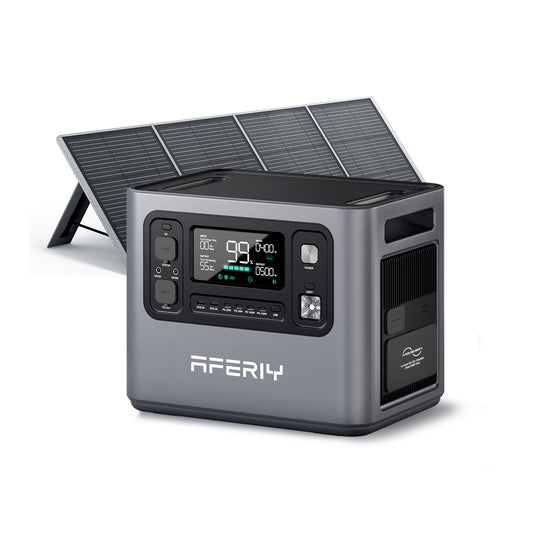
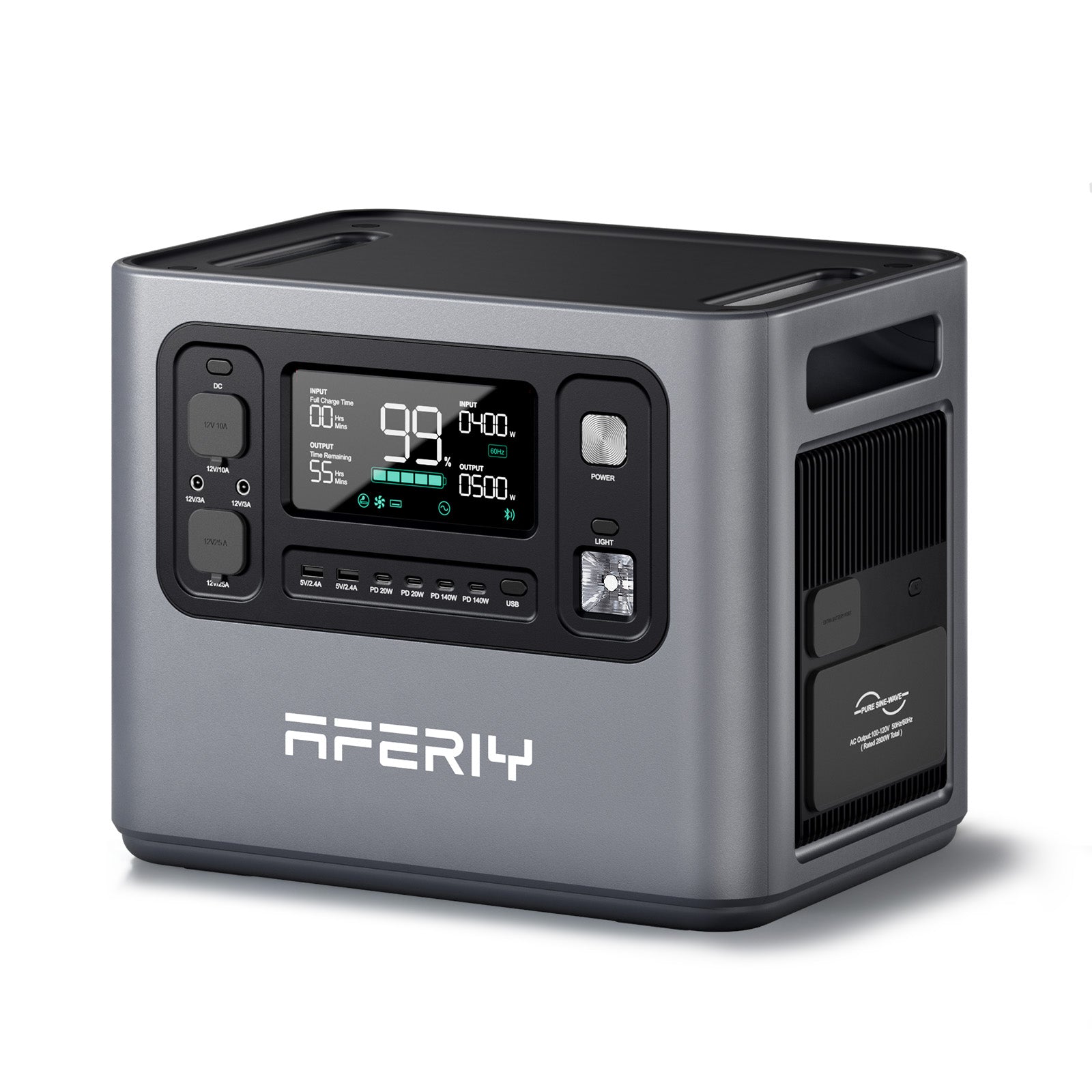
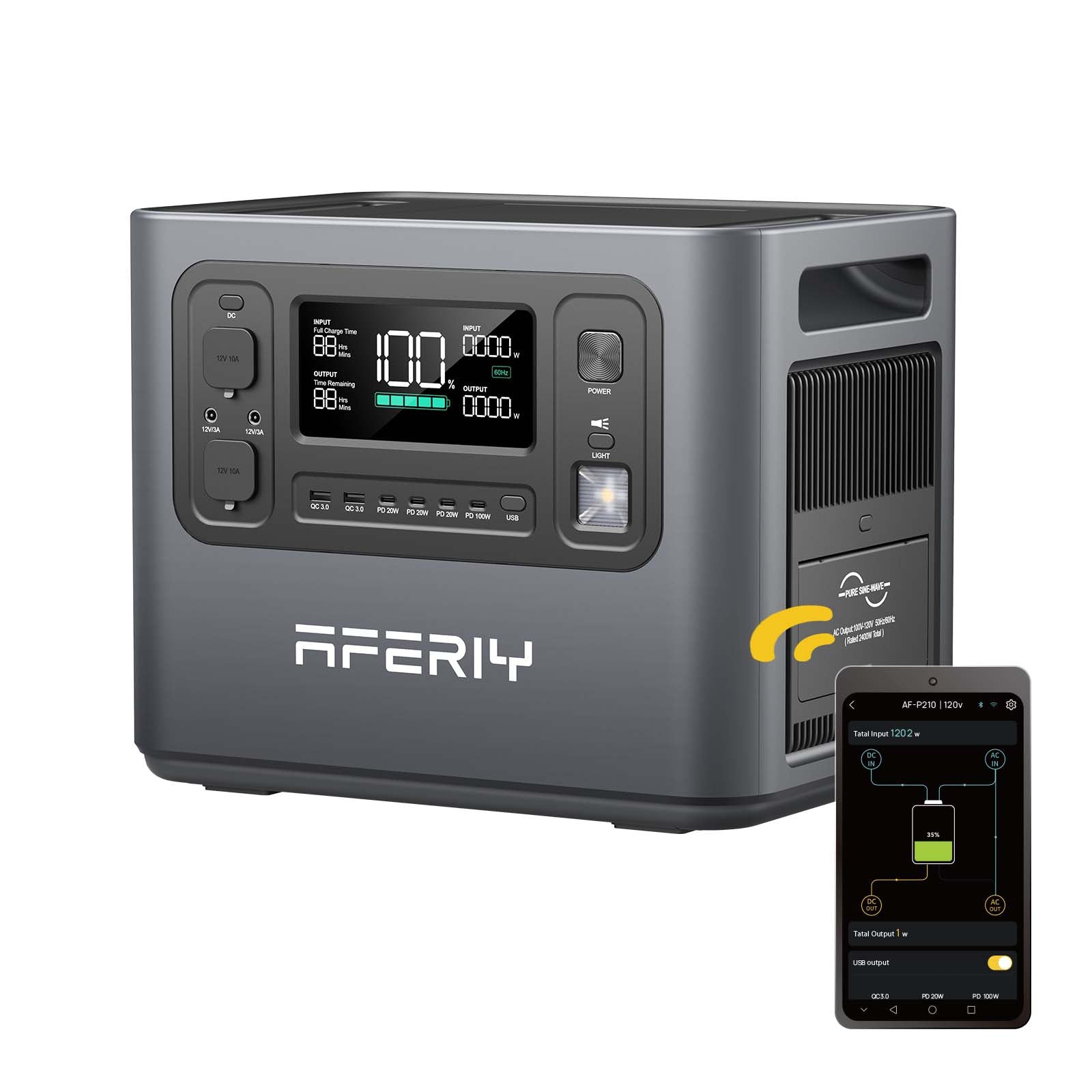
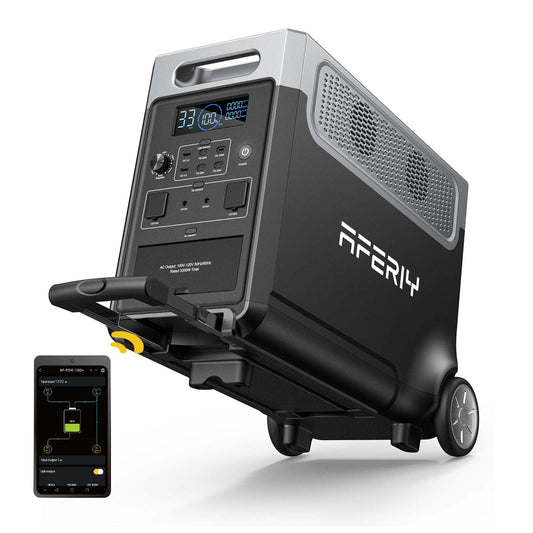
Aferiy P280 Portable Power Station (2800W, 2048Wh)
The Aferiy P280 Portable Power Station is a powerful option to serve all the daily needs of the household, including refrigerators, televisions, Wi-Fi routers, laptops, and lighting. Its power production and capacity are equal, and it is good to use during short to medium power outages,s yet easy to carry and operate.
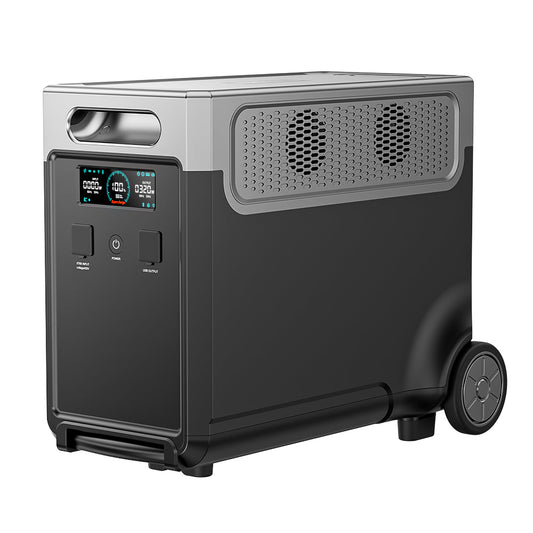
Aferiy P310 Portable Power Station (3300W, 3840Wh)
Aferiy P310 Portable Power Station has the capability to provide the user with superior performance when high power and prolonged runtime are required. It has a larger battery capacity and ramps to higher wattage, which can be used with heavier appliances and longer outages. It is also a powerful option that can be used by those households that want a near-generator level of capability without the use of fuel or noise.
Both models offer a reliable resolution to homeowners who do not value the importance of convenience, safety, and portability, yet need a powerful backup power source.
4. Combining Solutions for Maximum Flexibility
The combination of the two solutions is now being adopted by many homeowners. A whole-house generator is used when there is a large-scale outage, and a portable power station is used when the outage is only brief and only needs a small, portable power source. This mixed model provides the greatest level of reliability and flexibility.
Conclusion
When deciding between a whole-house generator vs a portable power station, it is worth looking at your power needs, budget, and lifestyle. A whole-house generator offers full-home coverage and automatic operation, whereas a portable power station is affordable, portable, and provides clean energy.
In the case of a portable power station such as the Aferiy P280 or P310, the Aferiy P280 will be the best andmost efficient choice in the market, particularly for those families looking to have flexibility and affordability. Understanding what you need will help you to invest in the best backup power solution with confidence.
FAQ
1. What will a 1000-watt power station run?
Appliances such as TVs, laptops, fans, Wi-Fi routers, LED lights, and small appliances in the kitchen can be powered by a 1000-watt power station.
2. How long will a portable power station run?
Running time is based on battery capacity and devices connected to it. The large units are able to serve necessities for a few hours or even days when used efficiently.
3. How long can a TV run on a power station?
A normal LED television can last 10 to 30 hours on a power station based on the capacity of the power station.
4. What size generator would run a whole house?
The size of a whole-house generator needed in most homes ranges between 15kW and 24kW, depending on the number of appliances.
5. How much is a generator for a 2000 sq ft house?
A whole house generator for a 2000 sq ft home would cost between $7000-$15000 dollars with installation.
 Free shipping from US local warehouse