













How Long is Food Good in the Fridge Without Power?
The world has witnessed many large-scale natural disasters. Every year, the incidence of fires and floods increases because of climate change. These disasters destroy power grids. They cause significant disruptions for people through several hours of power outages, causing an immense amount of inconvenience.
One of the typical questions during this time is regarding the food items inside your refrigerator. Would it go bad? How to know if it is safe for consumption? Can anything be done to avoid food wastage? Don’t worry. We will answer all your questions in this blog.
How Power Outages Affect Food Safety
We cannot store food at room temperature because it allows the growth of microbes. A high level of microbes in the food makes it unsafe for your body. This explains why food is stored in a cold space.
Bacteria start multiplying when the fridge stops working. The food starts deteriorating. Once the cooling system of the fridge stops, the temperature increases. It creates an ideal environment for bacterial growth. Ideal temperatures of refrigerator interiors that prevent bacterial activity are listed as follows:
-
For Freezer: -18°F or lower
-
For Refrigerator: 40°F or lower
Bacteria are in their inactive phase in a cold place. During the power cutoff, the surroundings become warm, and bacteria activate. They increase in number. Microbial growth is recorded at the highest speed when the temperature is close to room temperature. This is a high-risk phase that quickly spoils the food.

How Long Can Food Stay in the Fridge Without Power?
The type of food and whether the fridge is open will affect spoilage and food safety. Some people would open the fridge every once in a while to check if the food is bad. That's not a good idea. The door allows warm air to enter the fridge. Hot air entering the fridge can speed up spoilage.
Most food products can remain safe for four to six hours in a fridge during a power outage. After that, perishables like dairy and meat can pose a high risk to your health. The spoiling of food occurs even more rapidly when the fridge door is opened.
Freezers are resilient. A freezer can maintain its temperature for 24 to 48 hours if you don’t open it. It’s not a hard and fast rule because it depends on the insulation quality of the fridge and the ambient temperature.
Understanding how long food stays safe also depends on knowing how much energy your appliance needs, as questions like how many watts does a refrigerator draw? directly affects how long backup power can realistically keep it running.
How to Tell If Food Has Gone Bad
We store an array of food items in the fridge, such as dairy products, meat, vegetables, and leftover cooked items. Every food has a different composition. This means their spoilage duration is also different.
Some microorganisms do not change the smell or appearance of the food. This happens only when their concentration is exceptionally high. Food can become unsafe and contaminated with pathogens long before it develops a foul smell. Noticeable signs appear a long time after food deterioration. Do not rely on visual signs or sniff tests to check the safety of food items.
Food that stays below 40°F is generally safe. Perishable items above this temperature spoil within two hours. See this list of perishable items that you need to throw out if the temperature is more than 40°F for two hours.
-
Meat
-
Poultry
-
Seafood
-
Eggs
-
Milk
-
Yogurt
-
Soft Cheeses
Frozen food products are also unsafe in these conditions. There’s a saying, “When in doubt, throw it out.” Do not taste to see if the food is good because your health matters more than anything.
Tips to Keep Food Safe During an Outage
Are you facing a power outage? Follow these safety measures to delay food spoilage during power outages. With power reliability becoming a growing concern, many households now plan by researching solutions often categorized under the best portable power station for refrigerator 2026, focusing on stability, efficiency, and long-term food protection.
1. Keep the Fridge and Freezer Closed
The first thing that applies to every food product is keeping the fridge closed. When you open the door frequently, cold air moves out, and hot air enters the fridge. It will instantly increase the temperature. A full fridge prevents the loss of cold air. A half-full fridge allows hot air to enter. Perishable items stay safe with the doors closed.
2. Use Ice Packs
Put ice in bags to maintain a low temperature in the fridge. This is a common technique used by numerous homeowners. If the authorities have already notified you of a power outage, you should keep ice packs. They can slow down the food degradation process.
Ice packs are a cold mass that absorbs heat. It keeps the nearby area cold. This is a good strategy to prevent spoilage of sensitive products such as dairy and meat.
3. Group Foods Together to Maintain Cold
Grouping food inside the fridge also works to maintain the temperature. Grouped food items offer insulation to one another. The temperature increases at a slower rate. It is a good solution if your freezer is partially full. Keep the doors shut for better results.
4. Monitor Temperature with Thermometers
Never smell the food to check its safety. Install a thermometer in the refrigerator. This way, you don’t have to take the food out to measure the temperature. Food should not come in contact with warm air.
A fridge thermometer will provide an accurate reading if the temperature is above 40 F. You already know which food items become unsafe at this point. Discard these products without tasting or smelling them.
Alternative Solutions During Extended Outages
The above tricks work only for a short time. What happens if the power cutoff continues for a long time? Check out these techniques to delay food deterioration.
1. Portable Coolers and Solar Generators
Power outages have become a common problem throughout the world. This explains why portable power stations have become vital. It protects your food and saves your money.
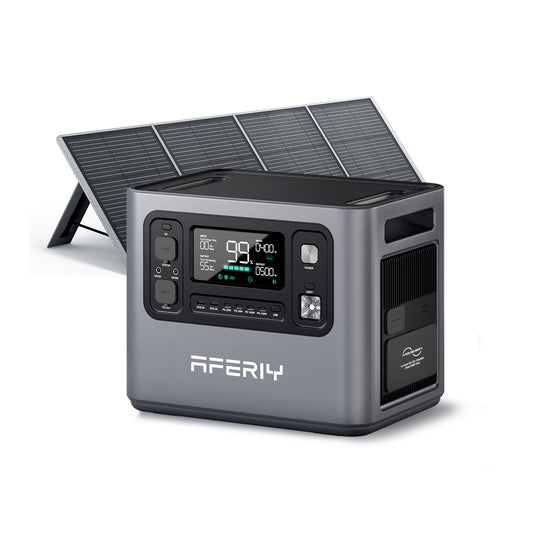
A good solar generator like AFERIY P280 to power your refrigerator and freezer. It offers 2800 Watts of power output and 2,048Wh capacity by itself, and when it’s connected to solar panels, it’s able to provide extended food storage for all sorts of emergencies. Its capacity can be expanded to up to 10,240Wh as well, with extra battery purchases, to store more power for post-sunlight usage.
2. Using Backup Power Stations to Run a Fridge
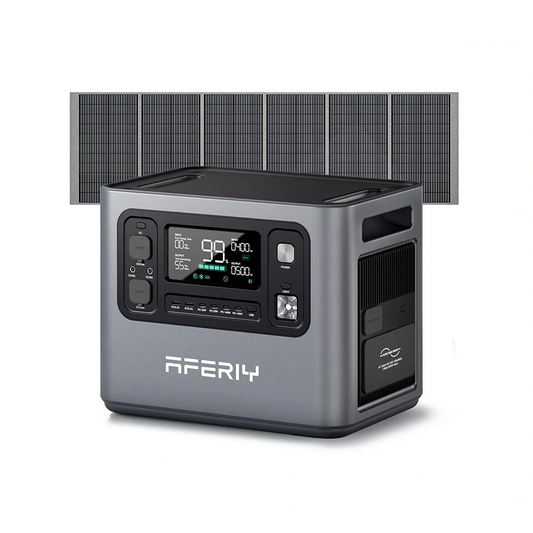
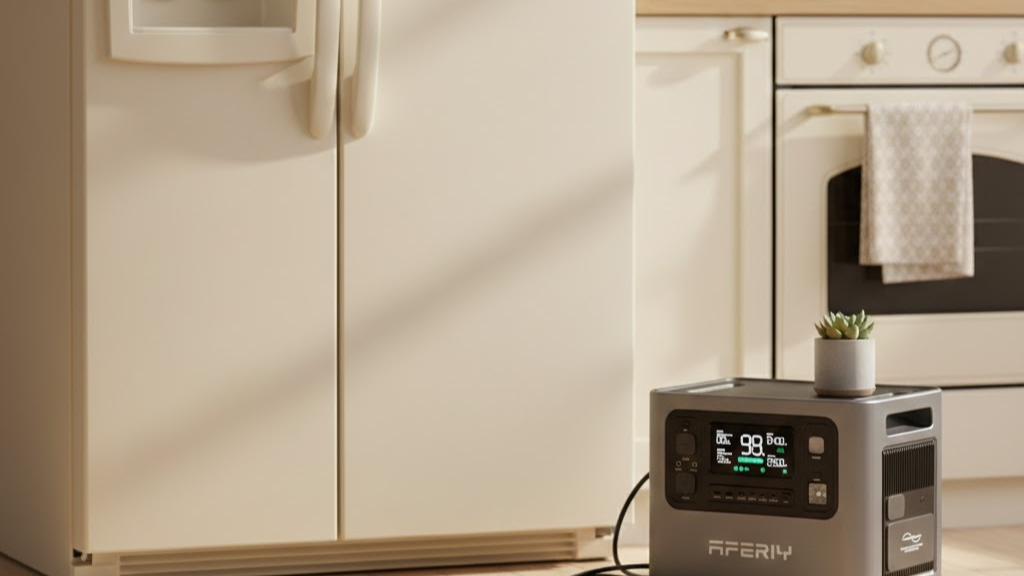
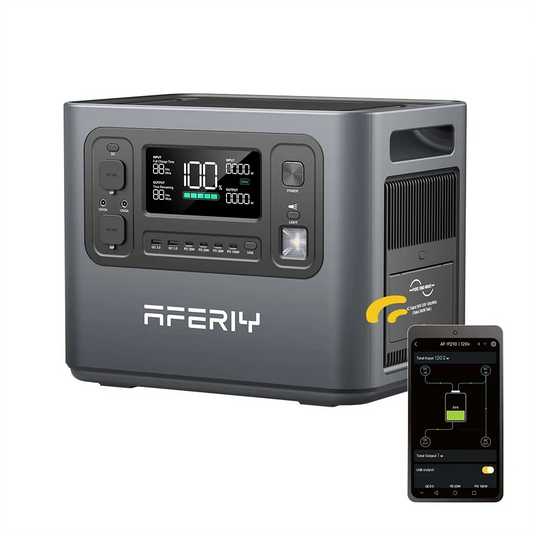
When facing longer power outages, consider the AFERIY P210 portable power station that offers 2400 watts with a capacity of 2048Wh. It can safely power a mini-fridge for an extended period, providing a safe environment for your food.
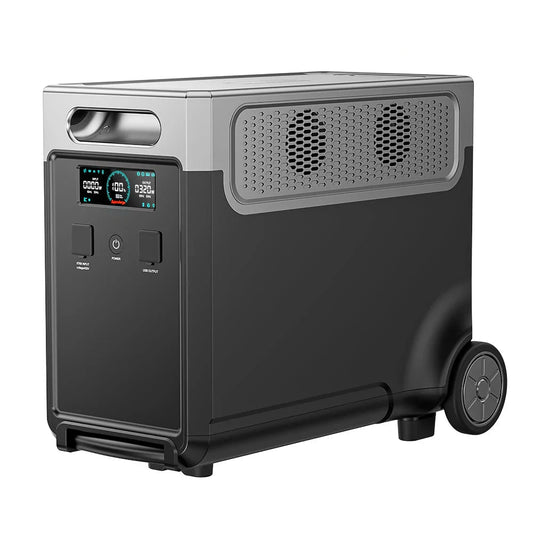
If you want to have a good backup that works for a long period for smaller fridges, or need something that powers large fridges consistently, consider the AFERIY P310. It offers 3600 Watts output with 3,840Wh capacity. It is enough to power a usual 120W fridge for 27 to 32 hours, depending on your usage. Its capacity can be expanded to up to 11,520Wh as well, to support extended use.
Conclusion
Power outages can make groceries inedible. Prevent this by using a backup power system and solar generator during outages.
The most important thing to keep in mind is to not consume unsafe food just because it hasn’t begun to smell bad yet. This is critical for your health. Does your home often experience power outages? Buy a solar generator or backup station. In time, they will prove that they are worth the investment.
FAQs
1. Are There Foods That Don’t Need Refrigeration During Outages?
Dry items don’t need refrigeration. Examples are bread, cereal, and canned foods. They can stay safe for several hours without cold storage. Fruits and vegetables also stay safe for a short time.
2. How long does it take for food to go bad without refrigeration?
Food is only good for a couple of hours without refrigeration. Whole meals can be kept for four hours. A fully stocked freezer keeps food safe for 48 hours.
3. What foods spoil fastest without power?
The foods with high water concentration spoil at a faster rate. Examples are:
-
Raw Meat
-
Chicken
-
Seafood
-
Eggs
-
Fresh Cheese
-
Cooked foods
-
Milk
4. How many watts does a fridge use in 24 hours?
A fridge consumes 1 to 2 kWh per day. The precise value depends on the model. The consumption is also affected by how often the fridge's compressor of the fridge runs.
5. How much power does it take to run a fridge for a day?
A refrigerator utilizes power between 1 kWh and 2 kWh in a day. The specific value varies by model type and measurement. They need more power for compressor cycles.
 Free shipping from US local warehouse