











How Much Do Solar Panels Cost for a House? (2026 Guide)
Thinking about installing solar panels? Understanding how much do solar panels cost for a house involves more than comparing panel prices. System size, installation requirements, equipment, and local electricity rates all affect the final investment. Here’s what homeowners should know before choosing a solar setup.

How Much Do Solar Panels Cost for a House?
In 2026, the national installed-price benchmark for residential solar is approximately $3.36 per watt. Based on this rate, a 6kW system costs about $20,160, while a 10kW system costs around $33,600, before incentives.
Here’s how different system sizes compare:
| System Size | Estimated Annual Production | Estimated Installed Cost |
|---|---|---|
| 4kW | 4,800–6,000 kWh | $13,440 |
| 6kW | 7,200–9,000 kWh | $20,160 |
| 8kW | 9,600–12,000 kWh | $26,880 |
| 10kW | 12,000–15,000 kWh | $33,600 |
Actual solar production varies with sunlight, roof orientation, shading, and location. A 6kW system may suit a household with moderate electricity use, while homes with central air conditioning, electric water heaters, or EVs may need more capacity. Review your past 12 months of electricity bills to estimate your needs rather than relying on home size alone.
How Much Does One Solar Panel Cost?
A single solar panel can cost anywhere from around $70 to over $400, depending on its wattage, technology, and where you buy it. For residential rooftop systems, 400W panels are a common choice, while smaller panels are often used for RVs, portable setups, and off-grid applications.
Solar Panel Prices by Wattage
The wattage of a solar panel is one of the biggest factors affecting its price. However, comparing the price per watt can give you a better idea of how much power you’re getting for your money.
Here’s a snapshot of US retail prices across different panel sizes:
| Solar Panel Wattage | Approximate Retail Price | Estimated Price per Watt |
|---|---|---|
| 100W | $72–$145 | $0.72–$1.45 |
| 200W | $130–$216 | $0.65–$1.08 |
| 400W | $240–$380 | $0.60–$0.95 |
These prices cover individual panels only, excluding installation and additional equipment. A higher-wattage panel generally costs more per unit but may offer a lower cost per watt. When comparing options, consider both the total purchase price and the amount of power each panel provides.
Solar Panel Prices by Type
Solar panel prices also vary depending on the technology used. Monocrystalline, polycrystalline, and thin-film panels have different manufacturing costs, efficiency levels, and applications.
Here’s how their estimated prices compare:
| Solar Panel Type | Estimated Price per Watt | Estimated Price for 400W |
|---|---|---|
| Monocrystalline | $1.00–$1.50 | $400–$600 |
| Polycrystalline | $0.90–$1.00 | $360–$400 |
| Thin-Film | $0.70–$1.00 | $280–$400 |
These are published price estimates, not guaranteed 2026 retail quotes. The 400W figures are calculated from the estimated price per watt.
Monocrystalline Solar Panels
Made from single-crystal silicon, monocrystalline panels offer relatively high efficiency and a sleek black appearance. They’re widely used in residential installations, particularly where roof space is limited.
Polycrystalline Solar Panels
Polycrystalline panels are made from multiple silicon fragments and typically have a blue, speckled appearance. Although traditionally considered a budget-friendly option, they’re less common in today’s US residential market.
Thin-Film Solar Panels
Thin-film panels use lightweight photovoltaic layers rather than conventional crystalline silicon cells. Their flexible designs suit specialized applications, although their lower efficiency generally requires more installation space for comparable power output.
Wholesale vs. Retail Solar Panel Prices
Where you buy your panels also affects the final price. Wholesale suppliers generally offer lower per-panel prices, particularly for bulk orders, while retail purchases are more convenient for homeowners buying a small quantity.
For a 400W residential panel, Solar.com provides the following US market price references:
| Purchase Type | Approximate Price |
|---|---|
| Wholesale | Around $150 |
| Retail or Online | $280–$430+ |
Wholesale pricing is generally based on installer or bulk purchasing arrangements, so individual buyers may not qualify for the same rates. Shipping and handling can also increase the final purchase price.
What Factors Affect Household Solar Panel Cost?
Two homes with similar electricity bills can receive very different installation quotes. The following factors help explain why.
Household Electricity Usage
Your daily and annual electricity consumption determines the system capacity you need. Homes with multiple air conditioners, electric dryers, pool pumps, or EV chargers generally require more solar generation than households with fewer high-power appliances.
Check whether your electricity usage changes seasonally. A system designed around summer consumption alone may not be the right size for the rest of the year.
Roof Condition and Sun Exposure
A south-facing roof with minimal shading can offer favorable conditions for solar generation in many parts of the US. Large trees, neighboring buildings, roof pitch, and orientation can all affect production.
If your roof needs repairs or replacement, consider addressing those issues before installation. Removing and reinstalling solar panels later can add unnecessary costs.
Equipment and Installation Requirements
Panel efficiency, inverter type, mounting hardware, and electrical upgrades all affect the final quote. For example, a complex roof with multiple angles may require more installation work than a simple roof with an unobstructed surface.
Local labor rates and permitting requirements also vary, so national averages shouldn’t be treated as guaranteed prices for your area.
What Is Included in a Complete Home Solar System Cost?
A rooftop solar installation involves more than the panels themselves. When reviewing a contractor’s quote, check whether it includes the following:
| Component | What It Does |
|---|---|
| Solar Panels | Convert sunlight into DC electricity |
| Inverter | Converts DC electricity into AC electricity |
| Mounting System | Secures panels to the roof |
| Wiring and Electrical Equipment | Connects the system to your home’s electrical supply |
| Installation and Permits | Covers labor, inspections, and required approvals |
| Battery Storage | Stores excess electricity for later use |
Battery storage is optional for grid-connected systems. It can store excess solar energy for nighttime use or backup power during outages, but it also increases upfront costs. Consider your electricity rates, utility export credits, and backup needs before deciding whether a battery is worthwhile.
How Can You Reduce Your Solar Panel Installation Costs?
A lower upfront quote isn’t always the better deal. Focus on the total cost, equipment quality, and expected energy production.
Compare itemized quotes. Get estimates from at least three local installers. Compare their price per watt, panel and inverter models, installation fees, warranties, and projected annual production. Watch for dealer fees and financing charges that may not be obvious in the advertised monthly payment.
Choose the right system size. Don’t automatically install the largest system available. Match capacity to your electricity consumption and consider whether your utility offers favorable compensation for excess electricity sent back to the grid.
Check local incentives. State and utility programs may offer rebates or other financial assistance. However, the federal Residential Clean Energy Credit under Section 25D is no longer available for expenditures made after December 31, 2025. Don’t include the previous 30% federal residential credit in a 2026 purchase calculation.
Compare payment options. Cash purchases, solar loans, leases, and power purchase agreements (PPAs) have different ownership arrangements and long-term costs. Review interest, escalator clauses, buyout terms, and transfer conditions before signing.
Also check your utility’s net metering or net billing rules. Some utilities credit exported electricity at retail rates, while others pay a lower rate. This can significantly affect the financial value of a rooftop solar system.
Are There More Affordable Alternatives to Rooftop Solar Panels?
A permanent rooftop installation isn’t the only way to use solar energy. If you mainly want electricity for outdoor activities or essential devices during outages, portable solar equipment may be a more practical option.
Portable Solar Panels for Flexible Power Needs
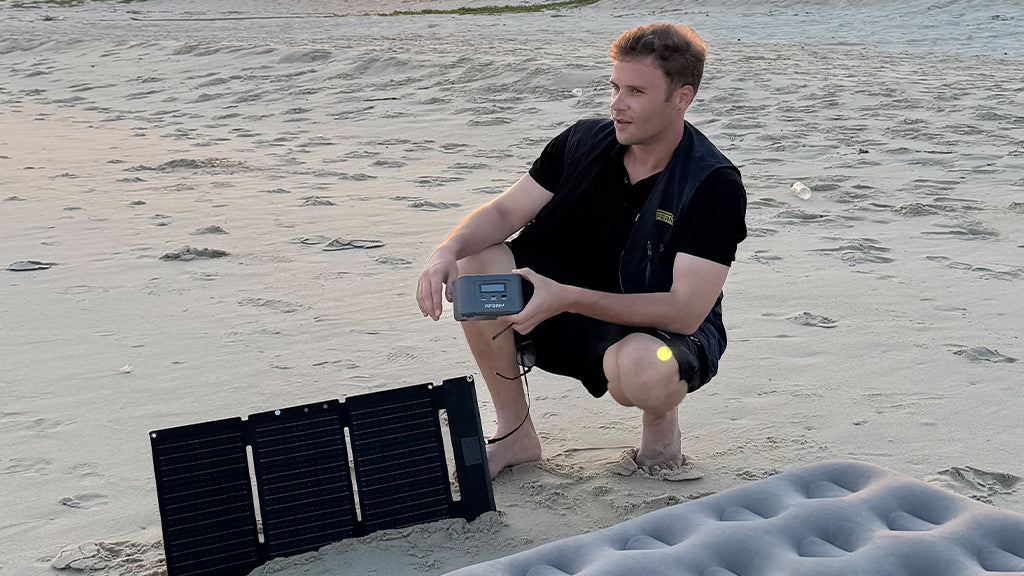
Portable solar panels work well for camping, RV trips, and charging compatible power stations. Unlike rooftop systems, they don’t require permanent installation and can be repositioned to capture sunlight.
Their actual output depends on sunlight intensity, panel angle, shading, and weather. They’re better suited to portable power needs than replacing a full household electricity supply.
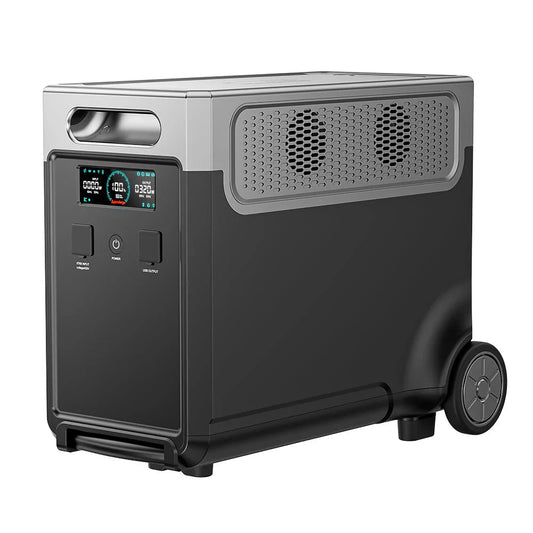
Portable Power Stations for Home Backup
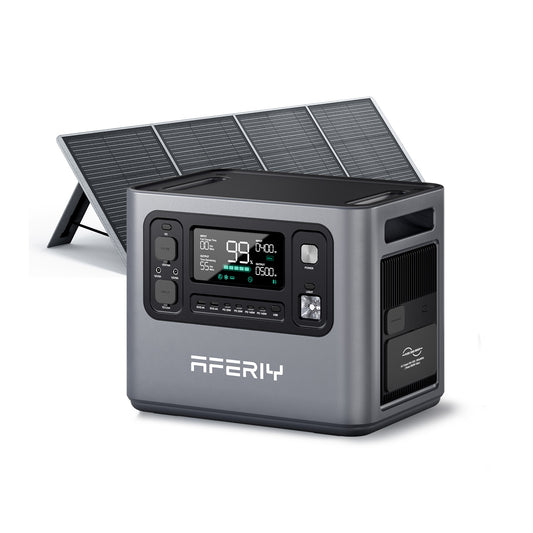
If your main concern is keeping essential appliances running during a power outage, a portable power station paired with solar panels offers a flexible alternative to permanent rooftop installation.
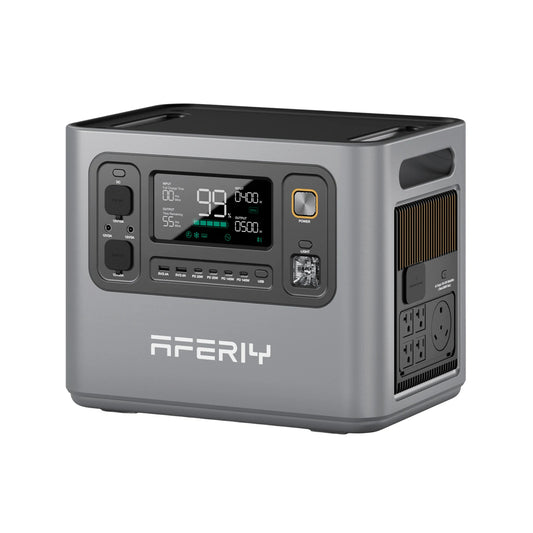
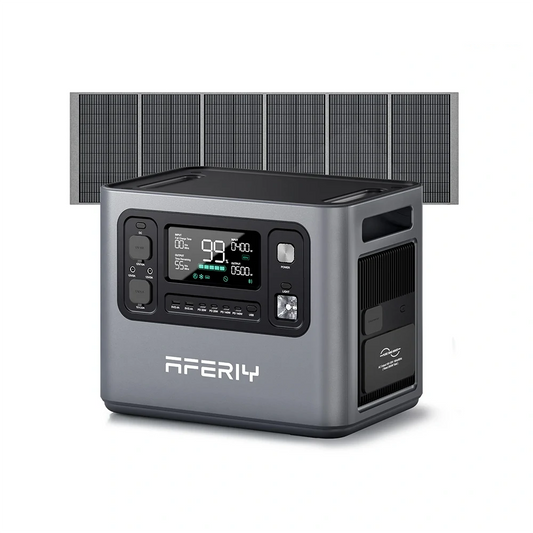
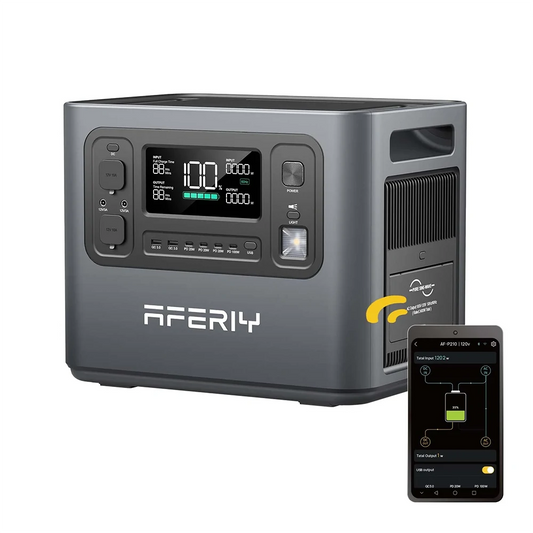
For example, the AFERIY P300 Portable Power Station features a 2,048Wh LiFePO4 battery, a 3,000W pure sine wave inverter, and up to 1,200W of solar input. Its capacity can also be expanded to 10,240Wh with compatible expansion batteries, providing additional backup for longer outages.

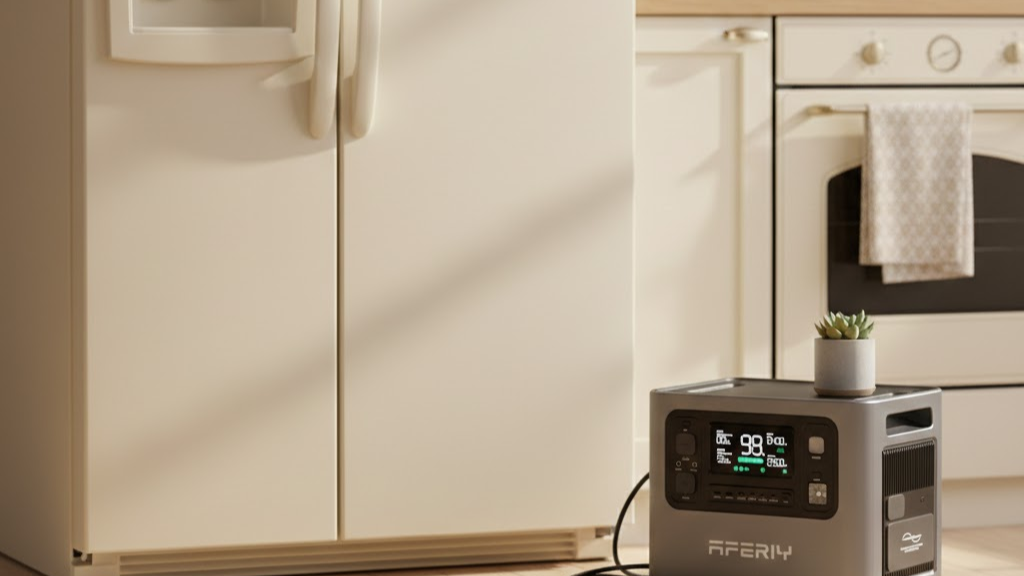
During a blackout, it can power compatible household devices such as refrigerators, Wi-Fi routers, lights, and laptops. Check appliance running and startup wattage before connecting multiple devices. Solar recharging also helps replenish the battery during daylight hours when suitable sunlight is available.
Unlike a permanent rooftop system, the AFERIY P300 Portable Power Station requires no roof installation and can also be used for RV trips, camping, and off-grid activities. It’s a practical option for households that need backup power for selected appliances rather than their entire home.
FAQs
How many solar panels does an average house need?
The number depends on household electricity usage, local sunlight, and panel wattage. For example, a 6kW system requires approximately 15 panels rated at 400W each. Homes with higher electricity consumption may need larger systems.
Do solar panels work during a power outage?
Most standard grid-tied solar systems automatically shut down when the utility grid fails. This protects utility workers from electricity flowing back into the grid. To maintain power during a power outage, you’ll need compatible battery storage and appropriate backup equipment.
Do you need a battery with solar panels?
No. A grid-connected solar system can operate without battery storage. However, a battery lets you store excess solar electricity for nighttime use or backup power. Whether it’s worth the additional cost depends on your utility rates, export compensation, and backup needs.
Conclusion
The cost of solar panels for a house depends on system capacity, equipment, roof conditions, and local installation prices. Comparing complete installation quotes, checking utility compensation rules, and reviewing your actual electricity usage can help you avoid paying for more capacity than you need. For households that mainly want backup electricity for essential devices, a portable power station with compatible solar panels may also be worth considering.
 Free shipping from US local warehouse