













How Many Watts Does a Refrigerator Draw?
A refrigerator is one of the few household appliances that operates throughout the day, so its power consumption can have a noticeable impact on overall electricity use. However, refrigerators do not all use the same amount of power. Their wattage can vary depending on the size, type, age, energy efficiency, and operating conditions of the appliance. Mini fridges, for example, generally require less power than full-size household refrigerators.
Understanding how many watts a refrigerator draws is useful when estimating electricity consumption, comparing appliances, or choosing a backup power source for an outage. This guide explains the typical wattage of different refrigerator types, including mini fridges, and shows how to estimate their energy consumption.
How Many Watts Does a Refrigerator Use?
The amount of power a refrigerator uses depends on its size, design, compressor, and energy efficiency. A full-size refrigerator generally draws more power than a mini fridge, while models with larger capacities, ice makers, or water dispensers may require more electricity.
Another important point is that a refrigerator does not continuously draw its running wattage. The compressor cycles on and off to maintain the set temperature, while a brief startup surge occurs when the compressor turns on. For this reason, the power needed to run a refrigerator is different from the short-term power needed to start it, and neither figure alone represents the refrigerator's total daily energy consumption.
Refrigerator Wattage by Type
The table below provides typical ranges for running power, startup power, and daily energy consumption. Actual values can vary significantly by model, age, efficiency, ambient temperature, and usage.
| Refrigerator Type | Typical Capacity | Running Watts | Startup Watts | Daily Energy Use | Annual Energy Use |
|---|---|---|---|---|---|
| Mini / Compact Fridge | 1.7–3.3 cu. ft. | 50–100 W | 150–300 W | 0.4–0.8 kWh | 146–292 kWh |
| Top-Freezer Refrigerator | 14–18 cu. ft. | 100–200 W | 400–600 W | 0.8–1.6 kWh | 292–584 kWh |
| Bottom-Freezer Refrigerator | 18–22 cu. ft. | 150–300 W | 600–900 W | 1.2–2.4 kWh | 438–876 kWh |
| Side-by-Side Refrigerator | 20–28 cu. ft. | 150–400 W | 700–1,200 W | 1.2–3.2 kWh | 438–1,168 kWh |
| French Door Refrigerator | 20–30 cu. ft. | 200–500 W | 800–1,500 W | 1.6–4.0 kWh | 584–1,460 kWh |
| Energy Star Certified Refrigerator | Varies by model | 100–300 W | 300–700 W | 0.8–2.4 kWh | 292–876 kWh |
| Garage-Ready Refrigerator | Varies by model | 150–350 W | 500–900 W | 1.2–2.8 kWh | 438–1,022 kWh |
| Commercial Display Refrigerator | Varies by model | 500–2,000 W | 1,200–4,000 W | 4.0–16.0 kWh | 1,460–5,840 kWh |
These ranges show why the wattage listed for a refrigerator should not be treated as its 24-hour electricity consumption. The compressor operates in cycles, so actual daily energy use is better expressed in kilowatt-hours (kWh).
For backup power, both running and startup power are important. A portable power station must provide enough continuous output for the refrigerator while also being able to handle the temporary surge when the compressor starts.

How Many Watts Does a Mini Fridge Use?
Most mini fridges use 50–100 watts while the compressor is running. Smaller models generally require less power, while larger mini fridges may draw closer to 100 watts. Like full-size refrigerators, mini fridges cycle on and off rather than running continuously, so their actual daily energy consumption is lower than their running wattage might suggest.
The table below shows typical power use for mini fridges of different sizes:
| Mini Fridge Size | Running Watts | Daily Energy Use* |
|---|---|---|
| 1.7 cu. ft. | ~50 W | 0.4 kWh |
| 3.2 cu. ft. | ~65 W | 0.52 kWh |
| 4.5 cu. ft. | ~85 W | 0.68 kWh |
| 5.5 cu. ft. | ~100 W | 0.8 kWh |
*Daily energy estimates are based on approximately 8 hours of compressor operation per day. Actual consumption varies by model, temperature, insulation, and usage.
For backup power, a mini fridge also has a brief startup surge when the compressor turns on. Typical mini fridges may require around 150–300 watts of startup power, so a portable power station should have enough peak output to handle this temporary demand.
What Affects Refrigerator Power Consumption?
Several factors can change how much electricity a refrigerator uses:
Size and Design
Larger refrigerators generally require more energy than compact models. French-door and side-by-side refrigerators may also use additional electricity because of larger cooling areas, ice makers, water dispensers, and multiple cooling zones.
Age and Efficiency
Older refrigerators can consume significantly more electricity than newer energy-efficient models. The condition of the compressor, insulation, door seals, and other components also affects energy use.
Ambient Temperature
A refrigerator may use more electricity in a hot garage or other warm location because the compressor needs to work harder to maintain the target temperature.
Door Openings and Temperature Settings
Frequently opening the door allows cold air to escape and can increase compressor cycling. Temperature settings that are colder than necessary can also increase energy consumption.

How to Calculate Refrigerator Energy Consumption
There are two useful ways to estimate refrigerator energy use.
Method 1: Calculate From Power and Operating Time
For appliances that run at a relatively steady power level, use:
Energy (kWh) = Power (W) × Operating Time (hours) ÷ 1,000
For example, a 100-watt refrigerator operating continuously for 10 hours would use:
100 × 10 ÷ 1,000 = 1 kWh
However, this method is only an estimate for refrigerators because their compressors cycle on and off. Multiplying running watts by 24 hours will usually overestimate actual daily consumption.
Method 2: Use the EnergyGuide Label
For a more realistic estimate, check the refrigerator's EnergyGuide label for its estimated annual electricity use in kWh. Divide the annual figure by 365 to estimate average daily consumption.
You can also use a plug-in energy meter to measure actual electricity consumption over 24 hours or longer. This is one of the most reliable ways to determine how much power your refrigerator really uses.
How Much Does It Cost to Run a Refrigerator?
The cost of running a refrigerator depends on its type, energy consumption, and electricity rate. Larger refrigerators and commercial units generally use more electricity than compact models, while energy-efficient refrigerators can use less.
The table below provides estimated energy use and annual electricity costs for different refrigerator types.
| Refrigerator Type | Daily Energy Use | Annual Energy Use | Estimated Annual Cost* |
|---|---|---|---|
| Mini / Compact Fridge | 0.4–0.8 kWh | 146–292 kWh | $26–$53 |
| Top-Freezer Refrigerator | 0.8–1.6 kWh | 292–584 kWh | $53–$105 |
| Bottom-Freezer Refrigerator | 1.2–2.4 kWh | 438–876 kWh | $79–$158 |
| Side-by-Side Refrigerator | 1.2–3.2 kWh | 438–1,168 kWh | $79–$210 |
| French Door Refrigerator | 1.6–4.0 kWh | 584–1,460 kWh | $105–$263 |
| Energy Star Certified Refrigerator | 0.8–2.4 kWh | 292–876 kWh | $53–$158 |
| Garage-Ready Refrigerator | 1.2–2.8 kWh | 438–1,022 kWh | $79–$184 |
| Commercial Display Refrigerator | 4.0–16.0 kWh | 1,460–5,840 kWh | $263–$1,051 |
*Estimated annual cost is based on an electricity rate of $0.18 per kWh. Actual costs vary by refrigerator model, usage, and local electricity rates. Daily and annual energy figures are estimates; actual consumption can differ significantly depending on operating conditions.
To calculate your own refrigerator's annual electricity cost, use:
Annual Cost = Annual Energy Consumption (kWh) × Electricity Rate ($/kWh)
For example, a refrigerator that uses 500 kWh per year at an electricity rate of $0.18 per kWh would cost about $90 per year to operate.
For the most accurate estimate, check the refrigerator's EnergyGuide label for its estimated annual energy use and multiply that figure by your current electricity rate. ENERGY STAR also notes that actual energy consumption varies with factors such as how often the refrigerator is opened, room temperature, and how full it is.
What Size Power Station Do You Need to Run a Refrigerator?
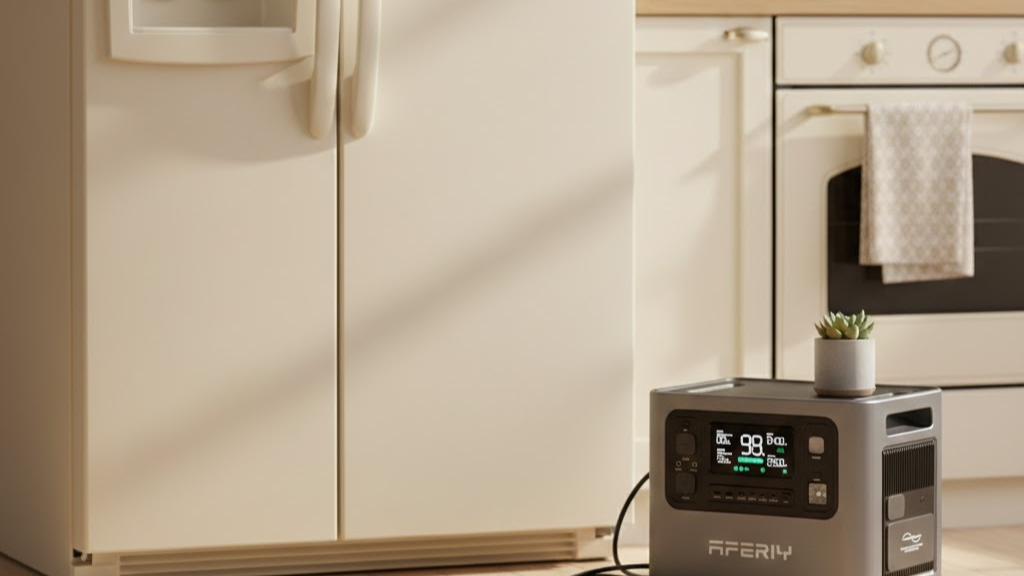
A portable power station can run a refrigerator during a power outage if its continuous output can handle the running load and its peak output can handle the compressor's startup surge.
For example, a refrigerator that uses 150W while running but requires 600W at startup needs a power station capable of handling both loads.
Battery capacity determines how long the refrigerator can run:
Estimated Runtime (hours) = Battery Capacity (Wh) × Efficiency ÷ Refrigerator Average Power (W)
Actual runtime will vary with inverter efficiency, compressor cycling, temperature, and other factors.
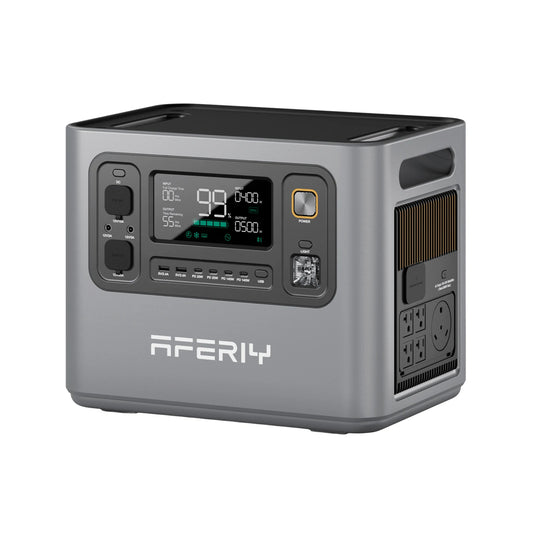
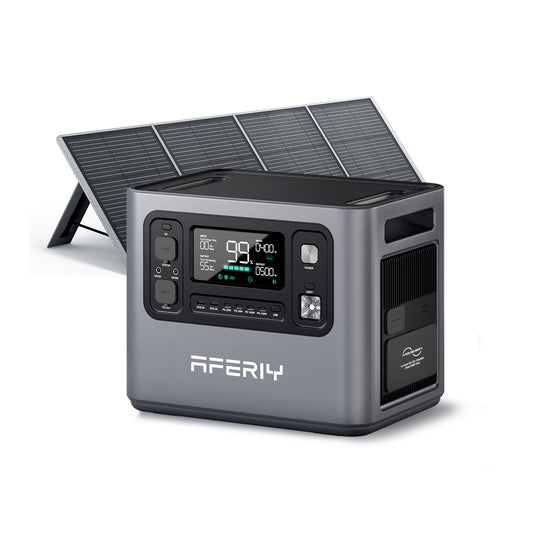
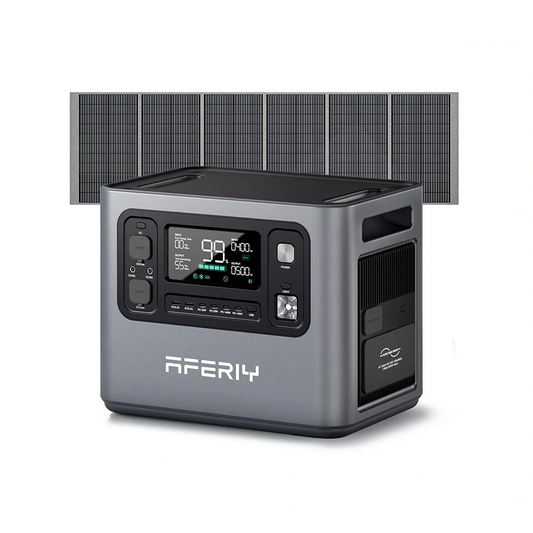
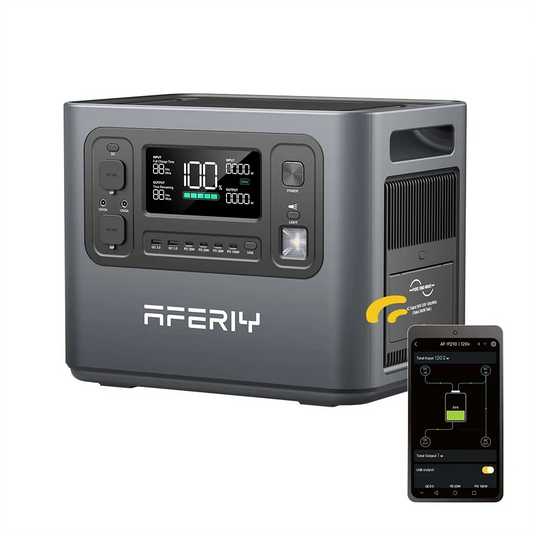
For typical household refrigerators, the AFERIY P180 Pro Portable Power Station provides 1,800W of pure sine wave output and 1,024Wh of battery capacity, making it a practical option for refrigerator backup during shorter outages. Its capacity can be expanded up to 5,120Wh, allowing longer runtime when additional battery capacity is needed.

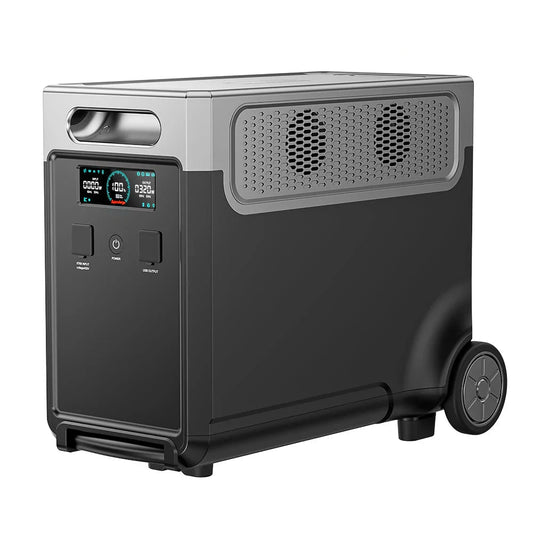
For larger refrigerators or longer outages, the AFERIY P300 Portable Power Station offers 3,000W of pure sine wave output and 2,048Wh of battery capacity, with expandable capacity up to 10,240Wh. The higher output provides more headroom for refrigerator startup, while the larger expandable capacity gives you more flexibility for extended backup and additional essential appliances.

Both models also support UPS backup with a transfer time of less than 10ms, which can help maintain power to connected equipment during an outage.
How to Reduce Refrigerator Electricity Consumption
Set the Right Temperature
Keep the refrigerator around 37–40°F (3–4°C) and the freezer around 0°F (-18°C). Setting them colder than necessary can make the compressor run more often and increase energy use.
Improve Airflow
Keep the refrigerator away from direct sunlight and other heat sources. Leave enough space around the unit for proper ventilation, which helps it release heat efficiently.
Maintain the Refrigerator
Clean the condenser coils when needed and check the door seals for gaps or damage. Good maintenance helps prevent the refrigerator from working harder than necessary to maintain its temperature.
Reduce Unnecessary Door Opening
Avoid opening the refrigerator door more often or for longer than necessary. Keeping the refrigerator reasonably stocked can also help maintain a more stable internal temperature.
FAQ
How Can I Find the Exact Wattage of My Refrigerator?
Check the refrigerator's rating plate, owner's manual, or manufacturer specifications for its electrical requirements. If you need to know how much electricity it actually uses during normal operation, a plug-in energy meter can measure its real-time power draw and accumulated energy consumption.
Does an Older Refrigerator Use More Electricity?
It can. Older refrigerators may use more electricity than newer, more efficient models because of differences in compressor technology, insulation, controls, and overall design. The best way to compare actual energy use is to check the annual kWh rating rather than relying on age alone.
Does a Full Refrigerator Use More Electricity?
Not necessarily. Adding more food does not automatically increase electricity use in proportion to the refrigerator's contents. However, placing large amounts of warm food inside can temporarily make the refrigerator work harder, while keeping the door closed and maintaining a stable temperature can help reduce unnecessary energy use.
Can a Refrigerator Run on an Extension Cord?
A refrigerator should be connected according to the manufacturer's electrical requirements. If an extension cord is permitted, it should be properly rated for the refrigerator's electrical load and used according to the manufacturer's instructions. For a permanent setup, plugging the refrigerator directly into a properly grounded wall outlet is generally preferred.
Conclusion
A refrigerator's power needs depend on its size, type, efficiency, and how often the compressor runs. Checking both running and startup power gives you a better idea of what your refrigerator needs, while its annual energy use provides a more accurate picture of electricity costs.
If you're preparing for a power outage, make sure your backup power source can handle the refrigerator's startup surge and provide enough battery capacity for the expected runtime. With the right power capacity, you can keep essential refrigeration running when the grid goes down.
 Free shipping from US local warehouse