











How to Save Money on Electric Bill: Practical Tips for Every Home
Electricity costs have increased, and this has become a concern for homeowners in the United States. Due to rising energy costs and seasonal spikes in usage, many households are seeking practical and effective solutions. The goal of saving on your electric bill has shifted from sheer reduction to smarter optimization of your usage. This manual discusses the major factors contributing to the high energy bills and provides practical solutions through which any household can save money, without losing comfort and convenience.
What’s Causing Your Electric Bill to Go Up?
It is important to know why the electricity bills rise before implementing cost reduction methods. There are a number of common daily causes that increase monthly energy bills without much awareness by homeowners.
Common High-Energy Appliances in Most Homes
Other household appliances use a lot more energy than others. The most significant items are the heating and cooling systems, the water heaters, the refrigerators, the clothes dryers, and the ovens that consume electricity. The old appliances are also outdated and consume more power to accomplish the same. Even new machines, when used intensively or even in the wrong manner, may impose significant expenses over a period. For instance, understanding how many watts a TV uses—along with other entertainment devices—can help you identify the cumulative impact of smaller electronics on your monthly bill.
Peak vs Off-Peak Electricity Usage
Electric charges usually change with the time of day. The utilities are higher at peak periods, which are usually mornings and evenings when demand is very high. The usage of power-hungry appliances at this time of day can certainly increase your bill. One of the most important things to do in cost management is to understand the Tiered Rate structure of your utility.
Seasonal Changes and Energy Costs
Electricity consumption can be affected by seasonal changes in temperature. A significant proportion of all yearly energy use is represented by summer air conditioning and winter heating. The increase in daylight hours during the summer can be used to minimize the lighting requirements, though the cooling requirements may offset this gain.
How to save money on the electricity bill
After being aware of the causes, the next thing is to implement effective everyday-life strategies that will help to achieve measurable savings without necessarily having to change your lifestyle significantly.
Minimize Standby Power by Unplugging Devices
Lots of electronics are standby power or phantom power. You can reduce this waste through the use of smart power strips or the disconnection of gadgets when not in use.
Upgrade to Energy-Efficient Appliances and LED Lighting
A key step is the transition to efficient appliances and lighting. Opt for ENERGY STAR models for major appliances, and replace bulbs with LEDs—a simple swap that cuts lighting energy use by up to 75% and extends bulb life significantly. While some upgrades require an initial investment, the long-term rewards in reduced monthly expenses are substantial.
Adjust Heating and Cooling for Maximum Efficiency
Even slight changes in thermostats could result in a tangible difference. A few degrees should be set lower in the winter and higher in the summer which will put less pressure on the HVAC systems.
Use Electricity During Off-Peak Hours
Electricity rates tend to be higher when the demand is at its peak, most of the time in the morning and evening, when most households are active. Moving activities that consume a lot of energy, like laundry, dishwashing or charging electronic devices to off-peak hours can greatly save on the expenses on electricity bills on a monthly basis. This tactic enables residents to make use of the reduced utility costs without changing their energy consumption.

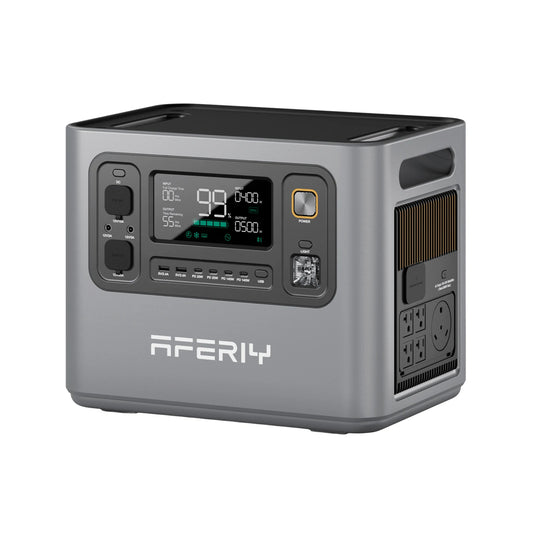
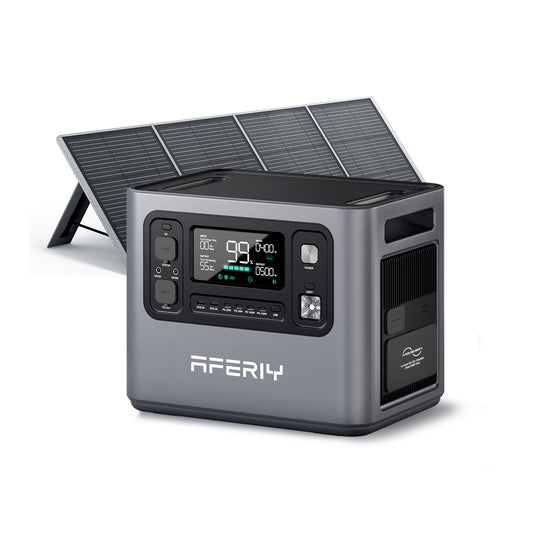
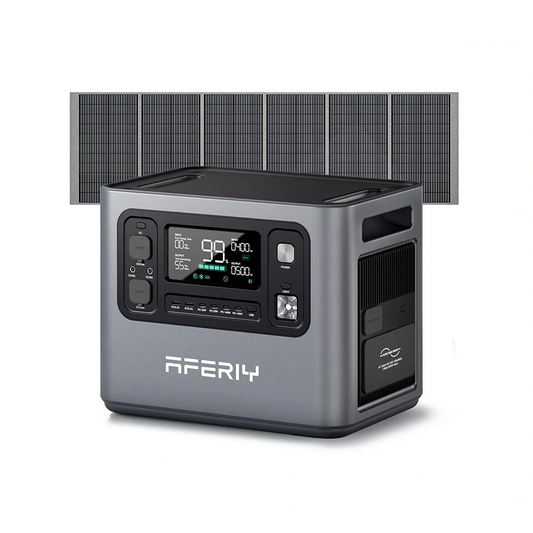
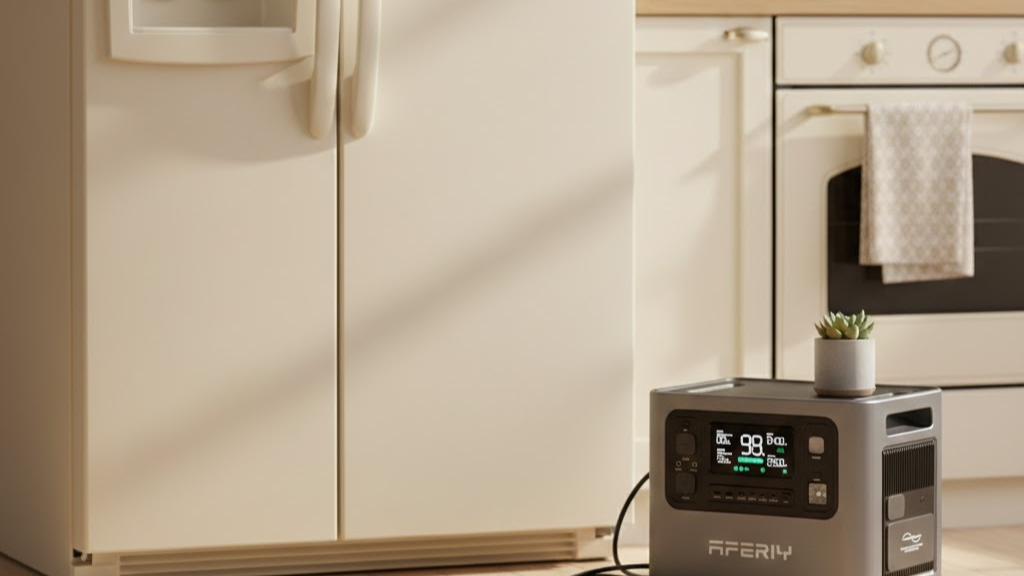
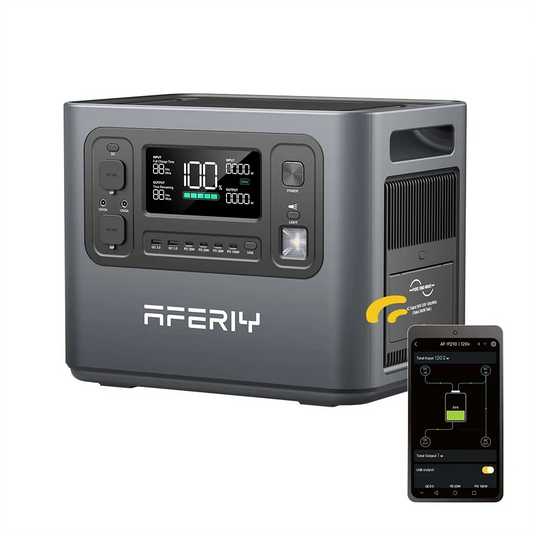
The Aferiy P280 Portable Power Station is a versatile and convenient option for a homeowner who wants to save money by using peak-hour electricity. It is small but powerful in nature so that it can store electricity during non-peak times, and subsequently provide power to critical devices, lighting, or small appliances when electricity prices are high. This is a smart energy management strategy. It minimizes the usage of peak-time grid power and enhances the overall efficiency of the household.
Long-Term Strategies for Lower Energy Costs
Even though the daily practices are important, long-term investments are the most sustainable method of managing the increasing electricity costs.
Improve Home Insulation and Seal Air Leaks
Common air leak points include door/window perimeters, pipe penetrations, and old electrical outlets. To minimize heat transfer and lower energy use, ensure adequate and intact insulation in attics, basements, and walls.
Replace Old Appliances with Energy-Efficient Models
Change some of your key systems, such as HVAC units, water heaters, and refrigerators, to highly efficient ones. This will lower electricity usage significantly. These appliances perform better without consuming much power, hence a smart long-term investment.
Install Solar Panels and Use Portable Battery Systems
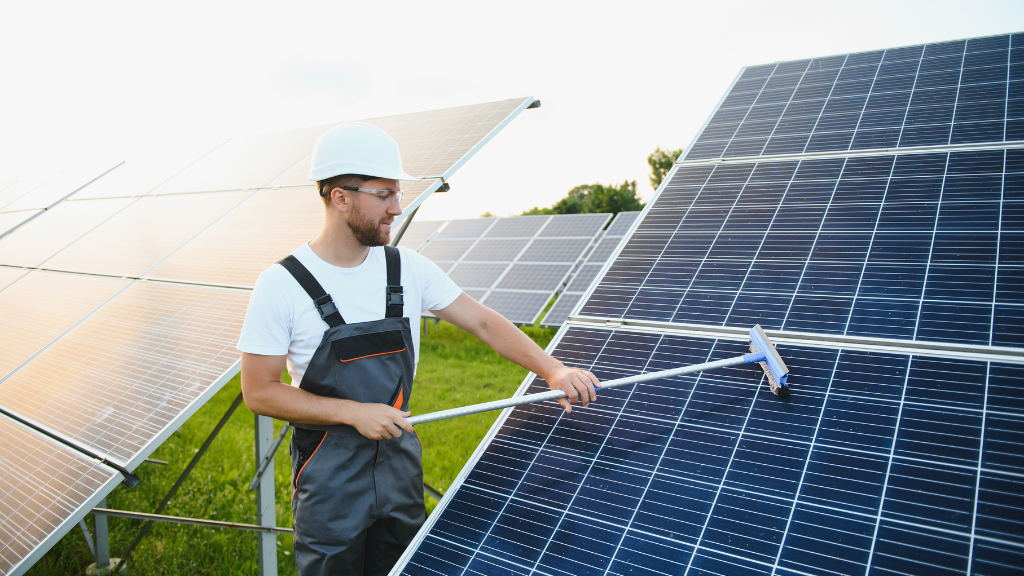
The use of solar panels is a good, sustainable plan for homeowners who wish to have more control over the use of energy and also the cost of electricity. During the daytime, solar systems produce clean and renewable energy, which will decrease grid reliance and decrease monthly utility payments. Excess solar energy can be stored away when it is combined with battery storage. It can be utilized at night or during the time when there is a high charge on electricity, optimizing the system's efficiency and savings. For example, a 2000-watt solar generator is able to run a refrigerator and other essential appliances during peak pricing or outages, ensuring your food stays fresh without relying on expensive grid power.
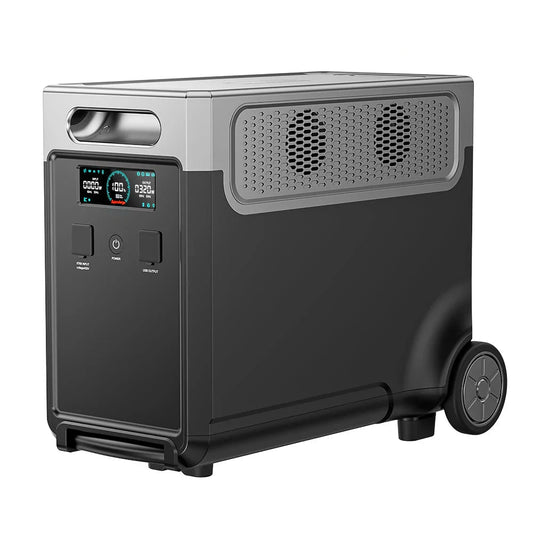
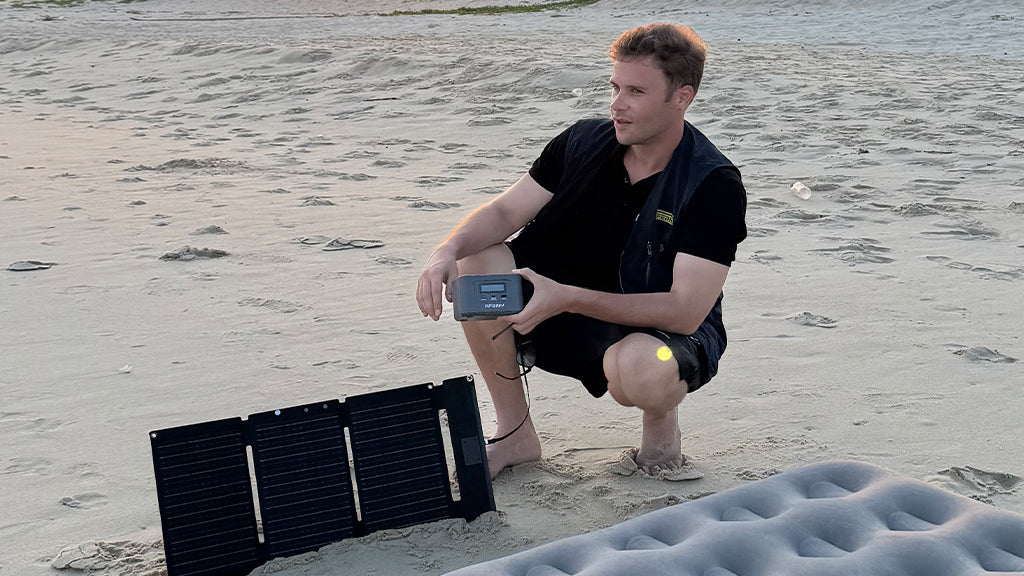
Aferiy P310 Portable Power Station is a potent solution for homeowners who want storage of energy when they travel and need a reliable and versatile one. With a rating of up to 3600W of output with a 3840Wh capacity, the power source can easily operate small appliances, light, and other necessary devices. The unit will be capable of storing solar energy that can be used in the future and will reduce the amount of electricity bills on hand, as well as give reliable backup energy in times of outages or emergencies.

Use Smart Thermostats and Energy Management Tools
Smart thermostats can switch to different temperature settings automatically depending on the patterns of use, weather, and people's occupancy. Monitoring energy equipment gives real-time information, which allows residential users to detect wastage and maximize usage. These technologies simplify energy efficiency and make it more accurate.
Electric Bill Myths: What You Might Be Getting Wrong
Most homeowners are guided by assumptions that are not fully true concerning the use of electricity. Such misunderstandings may cause lost chances of actual savings. The realization of facts will assist households in making smarter and more effective energy choices.
Unplugging Devices Won’t Eliminate All Energy Use
Turning off devices can minimize the standby or phantom power, but it does not stop the consumption of electricity. Other valuable appliances, such as refrigerators, routers, and HVAC systems, are on. More common green habits are required to be accompanied by unplugging, so that the savings would be very important.
Turning Appliances On and Off Doesn’t Waste More Power
Another myth is that constantly switching certain appliances on and off consumes additional power. The fact of the matter is that modern appliances are designed to withstand frequent power switching. The switch-off of idle lights, fans, and electronics leads to consistent energy savings.
Energy-Efficient Appliances Actually Save Money
According to the design of energy-efficient appliances, these appliances are supposed to provide the same level of performance with less electricity. The initial expense might be increased, but the savings in the energy payment on the monthly bills will increase over time. These savings usually save the upfront cost, hence they are a good long-term option.
Electricity Rates Vary Throughout the Day
The rates of electricity tend to fluctuate with the time of day and demand. Rates tend to be higher during peak hours, whereas they are lower during off-peak hours. The ability to know when electricity is cheaper will enable homeowners to schedule the use and reduce the total bills.
Conclusion
To save money on your electric bill, it is important to have a mixture of awareness, smart habits, and long-term planning. The awareness of the pattern of energy consumption can significantly reduce the cost of electricity spent by homeowners by using more efficient technologies and implementing the use of flexible systems, including portable power stations. Whether it is by making daily savings or by making bigger decisions on conserving more money on your electric bill, understanding how to save money on your electric bill enables the household to harness the ever-increasing costs of energy without losing comfort and reliability.
FAQ
How Much Is the Average Electric Bill in the USA
In the United States, the average home electricity payment in the United States ranges between 120 and 150 dollars per month, depending on the location of the house owner, family size, and energy use pattern.
Does unplugging things lower the electricity bill?
Yes, disconnection of unnecessary appliances decreases the amount of energy used in stand-by mode, which can save on the electricity expenses in the long run, particularly in households with a good number of electronics.
What uses the most electricity at home?
Heating and cooling systems consume the most electricity followed by the water heaters, refrigerators, dryers, and ovens. The best savings are achieved through the optimization of these systems.
 Free shipping from US local warehouse