











How Many Watts Does a House Use?
“How many watts does a house use?” It is one of the most common questions that homeowners will ask themselves when trying to regulate the power bill, planning for possible backup power, or even changing to cost-effective solutions. Understanding the rate of energy consumption in your house in watts allows you to estimate the costs of energy and avoid overloading, and also makes more sensible decisions about appliances and power storage.
Every home is different. Occupancy, appliance usage, application patterns, and even climatic conditions all affect overall watt usage. This guide divides average wattage of homes, reveals how one can calculate the amount of power that their home requires,s and also discusses some of the most efficient methods that can be used to conserve the amount of energy consumed without compromising on comfort.
Average Household Wattage by Appliance
The use of electricity in the household is not distributed equally-there are appliances that use very large amounts of power compared to others. The following is a list of typical domestic appliances and their wattage:
-
LED light bulb: 8–15 watts
-
Refrigerator: 150–800 watts
-
Television: 100–400 watts
-
Laptop: 50–100 watts
-
Microwave oven: 1,000–1,500 watts
-
Electric kettle: 1,500–2,000 watts
-
Washing machine: 500–1,500 watts
-
Air conditioner: 1,000–3,500 watts
-
Electric water heater: 3,000–4,500 watts
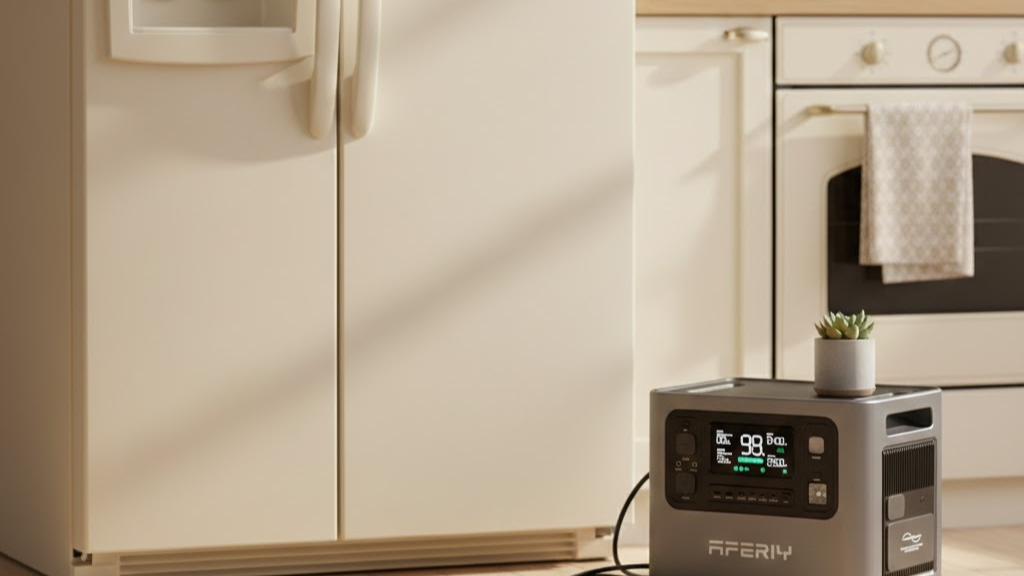
Many homeowners ask, how many watts does a refrigerator draw, since it runs continuously. Most modern refrigerators average 150–800 watts, but older models can draw significantly more when the compressor cycles on.
Although small electronics consume comparatively low amounts of power, the largest portion of household watt consumption is supplied by heating and cooling devices and cooking devices.

How to Calculate Your Home’s Total Watt Usage
The most appropriate method of accurately determining how many watts a house uses is to sum up the watts consumed by each individual appliance and add this figure to the total number of watts being consumed simultaneously.
To begin with, locate all the electric appliances in your house and place the mark of the watt rating (which is usually inscribed on the appliance or it is located in a manual). Then:
-
Multiply the number of hours per day used by the appliance by the calculated wattage of the appliance.
-
Sum up the results to get total daily watt-hours.
-
Divide the same by hours of use in case you need the average wattage of the running.
For example, the wattages are added up when multiple gadgets are operating at the same time (a refrigerator, lights, and a TV). This is especially applicable in the design of backup power or portable power.

Factors That Affect Household Wattage
The number of watts that a house uses is determined by several factors. The size of the home determines the power requirement, with the larger the home, the higher the intensity of lighting, heating, and electronic systems. Climate also influences usage as the heating and cooling systems are the biggest electricity users.
The number of occupants boosts the level of energy consumption in relation to the higher frequency of appliance use. The efficiency of the appliances is also to be considered, because older appliances will generally have a higher consumption than energy-efficient appliances. Lastly, our daily routines create many unnecessary consumptions, such as leaving lights on or having appliances on standby despite not using them. Understanding these factors enables homeowners to control the use of energy and limit their electricity bills.
This is often why homeowners wonder, why is my electric bill so high, even when no single appliance seems extreme. Overlapping usage, inefficient devices, and peak-hour electricity rates usually add up faster than expected.
Ways to Reduce Household Watt Consumption
There is no need to make drastic lifestyle changes to reduce the amount of watts used in a house. Upgrades of the strategy and smarter energy management can result in observable savings.
1. Optimize Lighting and Electronics
The lighting energy can be reduced by 80 percent by using LED lighting instead of incandescent bulbs. Phantom load of electricity use can also be minimized by turning off electronics when idle, and also by unplugging unused chargers.
2. Upgrade to Energy-Efficient Appliances
Energy-efficient appliances use feweryet with the same performance. Search for appliances that have high energy ratings, especially refrigerators, washing machines, and air conditioners, since they always work continuously and have the highest consumption of power.
3. Using Portable Power Stations for Off-Peak Energy Storage
Portable power stations solve a fundamental problem of letting you charge during cheaper night hours, and tap into stored power when rates climb during the day. Charge the unit when your utility charges less, then pull power from the battery when grid prices spike. You save money by shifting even part of your usage to off-peak storage, trimming costs over time.
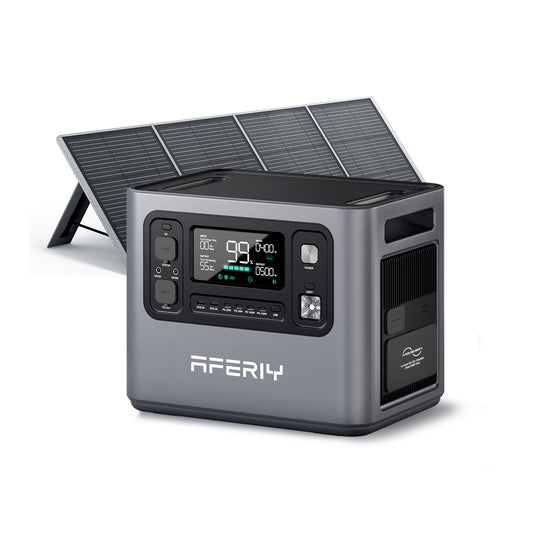
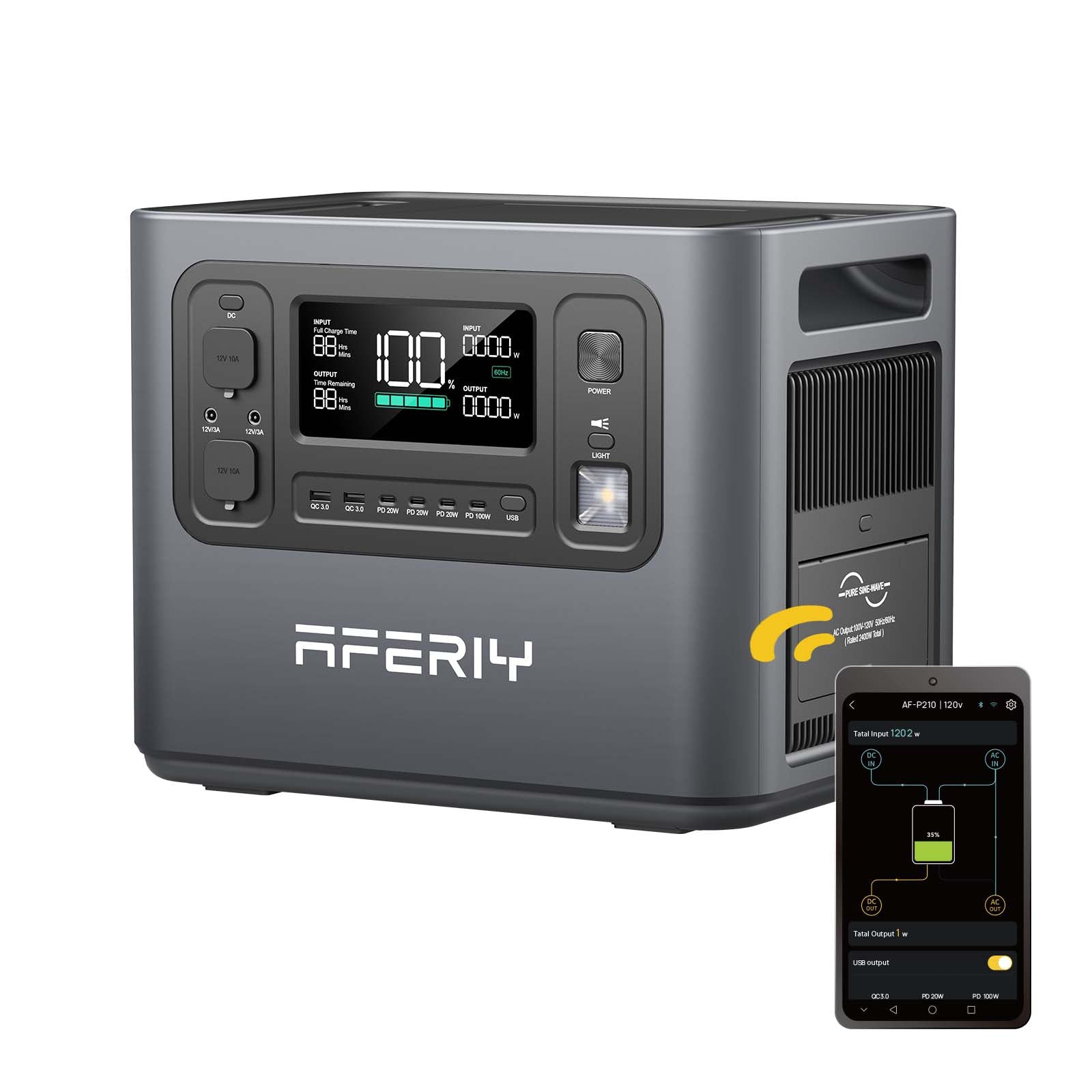
AFERIY P280 Portable Power Station with Expandable Capacity 2800W 2048Wh
The Aferiy P280 Portable Power Station stores 2048Wh and outputs 2800W continuously. Enough capacity exists here to run your fridge through the morning, make breakfast with a microwave, keep a laptop charged, plus power lights for a few hours before the battery needs plugging back in. Charge happens overnight at off-peak rates, then morning coffee and lunch prep pull from stored power instead of hitting the grid during expensive midday windows. Running an entire house? Not happening. Taking a solid chunk out of peak consumption? Absolutely.
Output ports number 15 across the unit: standard AC outlets alongside USB-C, USB-A, DC ports, plus a car socket. Several devices draw power at once without issue. UPS functionality switches over in 10 milliseconds when the grid cuts out.
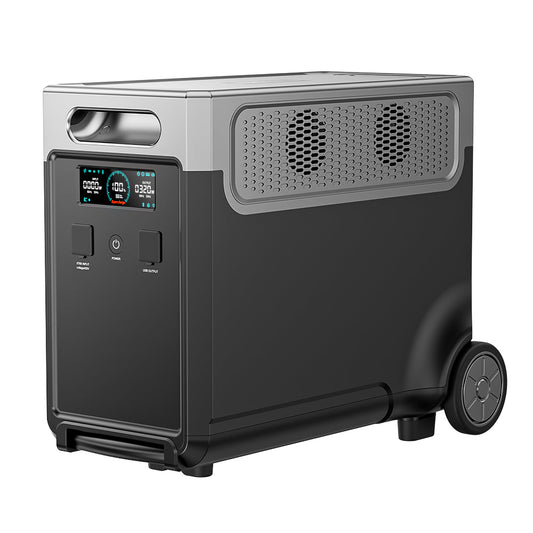
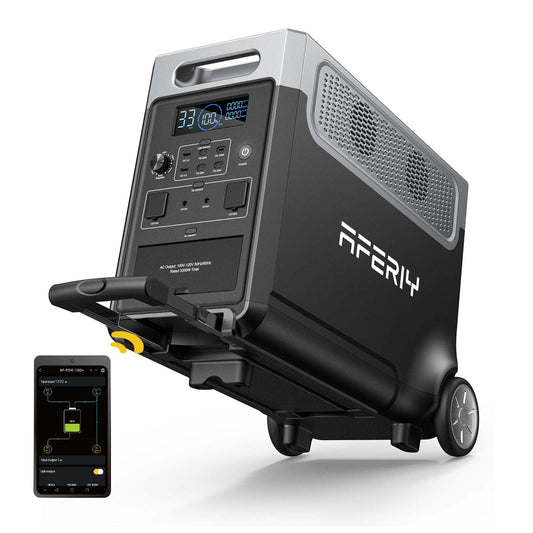
AFERIY P310 Portable Power Station with Expandable Capacity 3600W 3840Wh
If your home draws more power or you want a longer runtime, the Aferiy P310 Portable Power Station scales up the specs. It delivers 3600W continuous output from a 3840Wh battery. This means you can power more demanding appliances like air conditioners, power tools, or multiple kitchen devices for extended periods. The larger battery also lets you shift a bigger chunk of your daily usage away from peak rates. Like the P280, it recharges via AC wall power, solar panels, car charging, or a combination of AC and solar.
Both models use LiFePO4 batteries rated for over 4,000 charge cycles, which translates to roughly a decade of regular use before capacity drops to 80%. For anyone serious about cutting peak-hour costs or building backup capacity, these units turn cheap nighttime electricity into daytime power you've already paid less for.
4. Real-Time Monitoring of Electricity Usage
Smart meters and energy monitoring systems give real-time information of the electricity use. These gadgets assist in the detection of high-watt appliances, monitor when to use more, and change the habit. One of the best methods of minimizing unnecessary power usage is monitoring usage.
Common Mistakes When Estimating Home Wattage
Some of the mistakes that household watts are underestimated or uncalculated by many homeowners are:
-
Misunderstanding the difference between watts and watt-hours
-
Ignoring surge wattage when appliances start
-
Neglecting devices such as routers and security systems
-
Assuming all appliances run simultaneously
The prevention of these errors will result in better energy planning and lower power consumption.
Conclusion
In summary, how many watts a house uses depends on the type of appliances, consumption, and energy efficiency of the same. The first step to smarter energy management, reducing the bills, and being more energy independent is understanding how many watts your house uses. An average household has 1000 to 5000 watts of consumption, and it will reach its peak during the operation of heating, cooling, or cooking appliances.
Staying aware of appliance consumption, calculating your overall appliance usage, and implementing energy-saving solutions can save a lot of money on electricity usage for Homeowners. Among all these solutions, real-time monitoring and portable power stations promote appliance efficiency the most. Aferiy P280 and Aferiy P310 portable power stations offer a realistic solution to the problem of managing the consumption of household watts.
FAQ
What runs your electric bill up the most?
Heating and cooling systems, water heaters, dryers, and ovens are commonly the largest contributors to high electricity bills, as they are used frequently and consume a lot of power.
Will 3000 watts run a house?
The minimum power supply of 3,000 watts can serve the standard appliances of lights, refrigerator, electronics, and minor kitchen appliances,s but probably not simultaneously.
Which appliance is a real energy drainer?
Among the greatest energy drainers are electric water heaters and air conditioners since they consume high wattages and people use them more often than most of the appliances.
 Free shipping from US local warehouse