











How to Lower Electric Bill in Summer: A Simple Guide 2026
Summer increases energy demand. Air conditioning runs longer. Electricity usage rises throughout the day. These factors drive up your electric bill.
You can reduce costs by adjusting usage patterns, improving efficiency, and managing when energy is consumed. This guide explains the causes and provides practical solutions.
Why is my energy bill so high in summer
-
Frequent air conditioner usage
-
Longer daily electricity consumption
-
Higher peak-hour electricity rates
-
Low efficiency or poor usage habits
Air conditioning often becomes the largest energy load in summer. When temperatures rise, systems run longer and consume more power.
Electricity use also spreads across more hours during the day. If your utility applies peak pricing, costs increase further when demand is high.
Typical Summer Appliance Electricity Usage and Cost (U.S. Household)
Below is a general estimate of common household electricity use in the U.S. Actual values vary by usage and local rates.
|
Appliance |
Typical Power (W) |
Avg Daily Usage |
Daily Consumption (kWh) |
Estimated Daily Cost (USD) |
|
Central Air Conditioner |
3000–5000 |
6–10 hrs |
18–50 |
$2.5 – $8.0 |
|
Window AC Unit |
900–1500 |
6–8 hrs |
5–12 |
$0.7 – $2.0 |
|
Electric Fan |
50–100 |
8–12 hrs |
0.4–1.2 |
$0.05 – $0.20 |
|
Refrigerator |
150–300 |
24 hrs |
1–2 |
$0.15 – $0.30 |
|
TV (LED) |
80–150 |
4–6 hrs |
0.3–0.9 |
$0.05 – $0.15 |
|
Laptop |
50–100 |
6–8 hrs |
0.3–0.8 |
$0.05 – $0.12 |
|
Washing Machine |
500–1000 |
1 hr |
0.5–1 |
$0.07 – $0.15 |
|
Clothes Dryer |
2000–4000 |
1 hr |
2–4 |
$0.30 – $0.60 |
|
Dishwasher |
1200–1800 |
1 hr |
1–1.8 |
$0.15 – $0.30 |
|
LED Lighting |
50–200 |
5–8 hrs |
0.3–1 |
$0.05 – $0.15 |
Air conditioning dominates summer electricity use. Smaller devices consume less individually, but their combined usage still adds up.
10 Best Energy-Saving Tips in Summer
Keeping your home cool in summer doesn’t have to increase your electric bill. Here are some simple and effective ways to save energy.
1. Optimize Air Conditioner Usage
Set your air conditioner to a moderate temperature (around 24–26°C) to balance comfort and efficiency. Lower settings increase energy consumption without a significant improvement in comfort. Using energy-saving mode helps regulate output automatically, especially during nighttime or low activity periods.
2. Use Fans to Improve Air Circulation
Fans help distribute cool air more evenly across the room. This allows your air conditioner to cool faster and maintain temperature with less effort. Ceiling fans are especially effective when used together with AC, as they improve airflow without adding much to your electric bill.
3. Block Heat from Sunlight
Direct sunlight increases indoor temperature quickly, especially in rooms with large windows. Use curtains, blinds, or window films during peak sunlight hours to reduce heat gain. This lowers the workload on your cooling system and improves overall energy efficiency.
4. Seal Air Leaks at Home
Cool air can escape through small gaps around doors and windows. When this happens, your air conditioner must run longer to maintain the same temperature. Sealing these leaks helps keep indoor air stable and reduces unnecessary energy use.
5. Avoid Peak Electricity Hours
Electricity rates are often higher during peak demand periods. Running appliances during these hours increases your overall energy cost. Shifting usage to off-peak times helps reduce your electric bill without reducing total consumption.
6. Reduce Standby Power
Many devices continue to draw power even when turned off. This standby consumption adds up over time, especially with multiple devices. Unplugging electronics or using a power strip helps eliminate this hidden energy usage.
7. Use Smart Temperature Controls
Smart thermostats adjust temperature based on your schedule and usage patterns. This prevents unnecessary cooling when you are not at home. Over time, automated control improves efficiency and reduces energy waste.
8. Maintain Your AC Regularly
Dirty filters reduce airflow and make your system work harder. This increases energy consumption and lowers cooling performance. Regular maintenance ensures your air conditioner runs efficiently and lasts longer.
9. Upgrade to Energy-Efficient Appliances
Older appliances consume more electricity for the same output. Energy-efficient models are designed to use less power while maintaining performance. Replacing outdated equipment can significantly reduce long-term electricity costs.
10. Use a Home Backup Power System
Electricity costs often increase during peak hours when demand is high. A home battery backup system allows you to store energy during off-peak periods and use it later. This reduces reliance on expensive grid electricity.
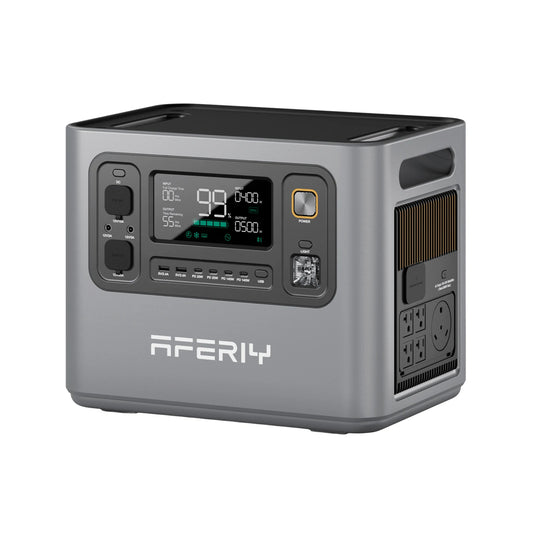
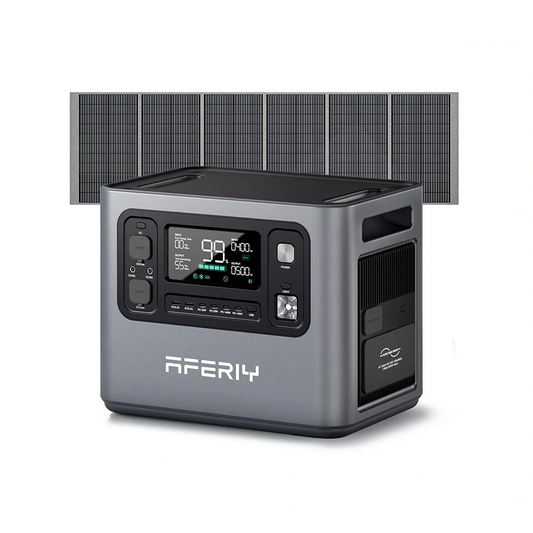
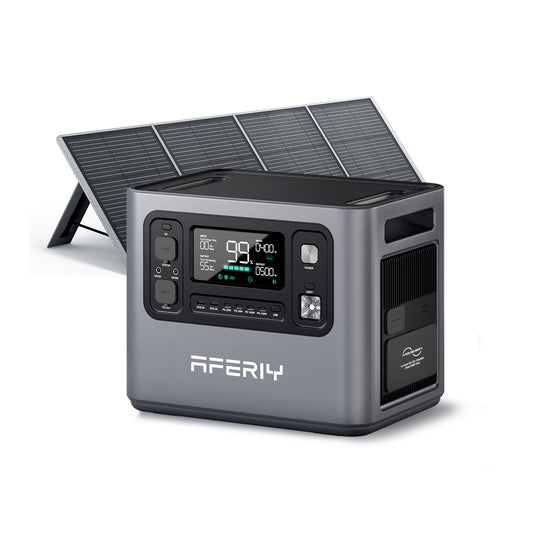
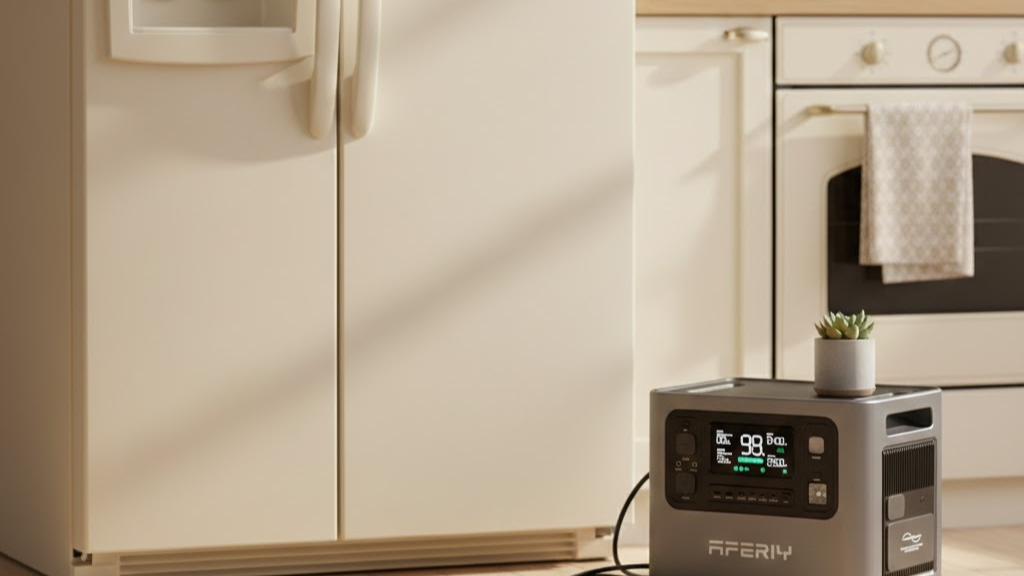
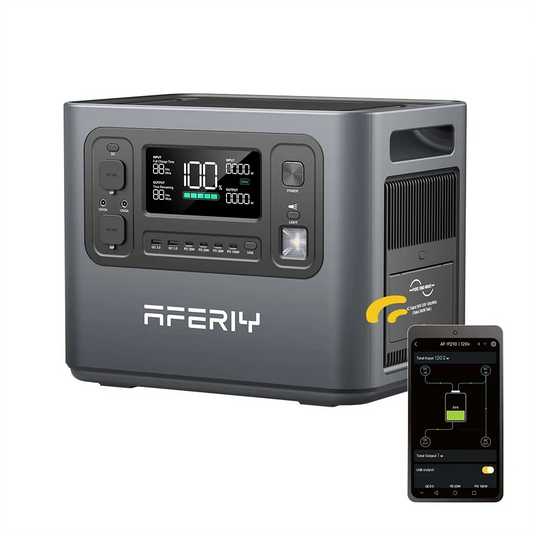
For example, a portable power station like the Aferiy P280 power station allows you to power essential devices such as fans, Wi-Fi routers, laptops, or even small appliances without relying entirely on grid electricity during peak times.
This not only helps lower your electricity costs but also provides backup power during outages, making it a practical and flexible solution for summer energy management.
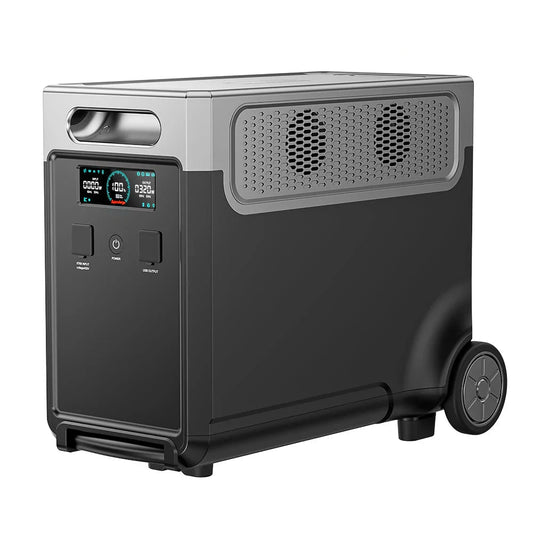
If you need to power more devices or higher-wattage appliances, upgrading to a larger model like the Aferiy P310 power station provides greater capacity and output, making it more suitable for whole-home backup or extended usage during peak hours.

Daily Habits to Reduce Electricity Use
-
Turn off the lights when leaving a room
-
Switch off unused devices
-
Unplug chargers to reduce standby load
-
Use natural daylight when possible
-
Keep doors and windows closed when using the AC
While daily habits can significantly reduce electricity usage, combining them with a more powerful energy solution can bring even greater savings.
For households with higher electricity demand, a larger-capacity portable power station like the Aferiy P310 can support more appliances simultaneously, including refrigerators, TVs, or even air conditioners for short periods.
Storing energy during off-peak hours and using it during peak times, it helps reduce reliance on expensive grid electricity and improves overall energy efficiency at home.
How to Track and Monitor Your Electricity Usage
Track your electricity usage daily instead of waiting for your monthly bill. This helps identify which appliances consume the most energy.
Use a smart meter or your utility provider’s app if available. These tools show real-time usage data, which makes it easier to detect unusual increases.
Focus on high-energy devices such as air conditioners, dryers, and kitchen appliances. When usage rises, check whether these devices are running longer than necessary.
Compare usage across different times of the day. If consumption is higher during peak hours, shifting usage can reduce your overall electric bill.
Set simple benchmarks for daily or weekly usage. When you monitor consistently, you can adjust habits early and avoid unexpected costs.

Conclusion
Reducing your summer electric bill requires control over how and when electricity is used. Efficient cooling, consistent habits, and smart energy solutions all contribute to lower costs.
Even small adjustments can produce measurable savings over time.
FAQ
How to make the PC take up less power?
Reduce screen brightness and enable power-saving mode. Shut down the PC instead of leaving it in sleep mode. Close background apps that consume CPU and energy. Using a laptop instead of a desktop can also reduce electricity use.
How to make your home more energy efficient?
Seal air leaks and improve insulation to prevent energy loss. Replace old appliances with energy-efficient models. Use LED lighting and smart controls to reduce unnecessary usage. Small daily adjustments can significantly lower your electric bill over time.
What are some tips for an air conditioner in summer?
Set the temperature between 24–26°C to balance comfort and efficiency. Clean filters regularly to maintain airflow. Use fans to support circulation so the AC does not need to work as hard.
How much is the bill for 1 hour of AC?
Most air conditioners use between 0.8 and 2 kWh per hour. The actual cost depends on your electricity rate and unit size. Larger central AC systems typically cost more than window units.
Is it cheaper to run your AC all day or turn it off and on?
Keeping a stable temperature is usually more efficient. Frequent on-off cycles force the system to work harder when restarting. This increases energy spikes and overall consumption.
 Free shipping from US local warehouse