










Solar Camper System vs Portable Power Station: Camping Guide
As outdoor travel continues to grow in popularity, more people are embracing van life, RV trips, and off-grid camping. With this trend, having a reliable power source has become essential. Whether you need to run a fridge, charge devices, or power lights, choosing the right energy solution is critical.
This leads to a common question: Solar camper system vs portable power station — which one is better? In short, a solar camper system is ideal for long-term off-grid living and high power demands, while a portable power station is perfect for short trips and convenience. Let’s break down the differences to help you choose the right option.
What Is a Solar Camper System?
A solar camper system is a dedicated, fully integrated electrical network permanently installed into your RV, travel trailer, or van. Rather than being a single device, it is a custom-built infrastructure designed to meet specific daily energy demands.
Core Components
Building a dedicated camper solar system requires several distinct parts working in harmony:
-
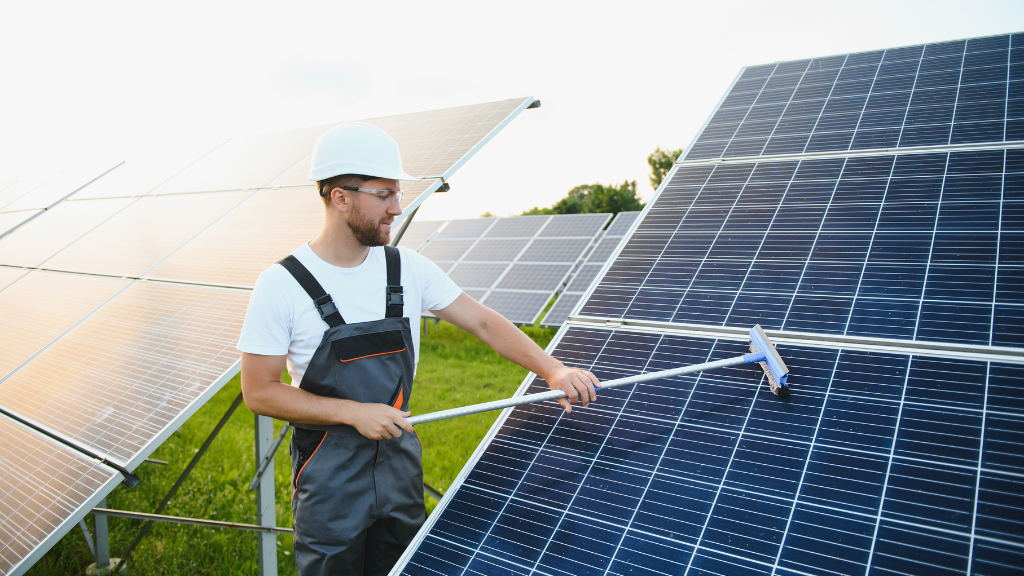
Solar Panels: Mounted directly to the roof of your rig, these capture sunlight and convert it into DC electricity.
-
Battery (LiFePO4 / AGM): The heart of your setup. Lithium Iron Phosphate (LiFePO4) is the modern standard for longevity and deep-cycle capabilities, though AGM batteries offer a budget-friendly alternative.
-
Charge Controller: This device safely regulates the voltage and current flowing from the solar panels to prevent battery overcharging.
-
Inverter: Because batteries store DC power, an inverter is required to convert that energy into usable AC power for your standard wall outlets.
How It Works
The workflow is seamless: Generation → Storage → Usage. Your panels generate electricity passively, the charge controller feeds it into the battery bank for safe storage, and the inverter draws from those batteries to power your appliances.
Who Is It For?
This robust setup is tailor-made for full-time van life, dedicated RVers, and off-grid nomads who need continuous, invisible power without having to set up gear every time they park.
What Is a Portable Power Station?
A portable power station is a highly versatile, all-in-one energy storage device. It takes the fundamental technology of a traditional solar system and packs it into a single, compact, transportable box.
Core Features
-
Plug & Play: Absolutely no electrical knowledge or wiring is required. You just press the power button and plug in your gear.
-
Built-in Battery + Inverter: The lithium battery, charge controller, and inverter are all safely housed inside one durable casing.
-
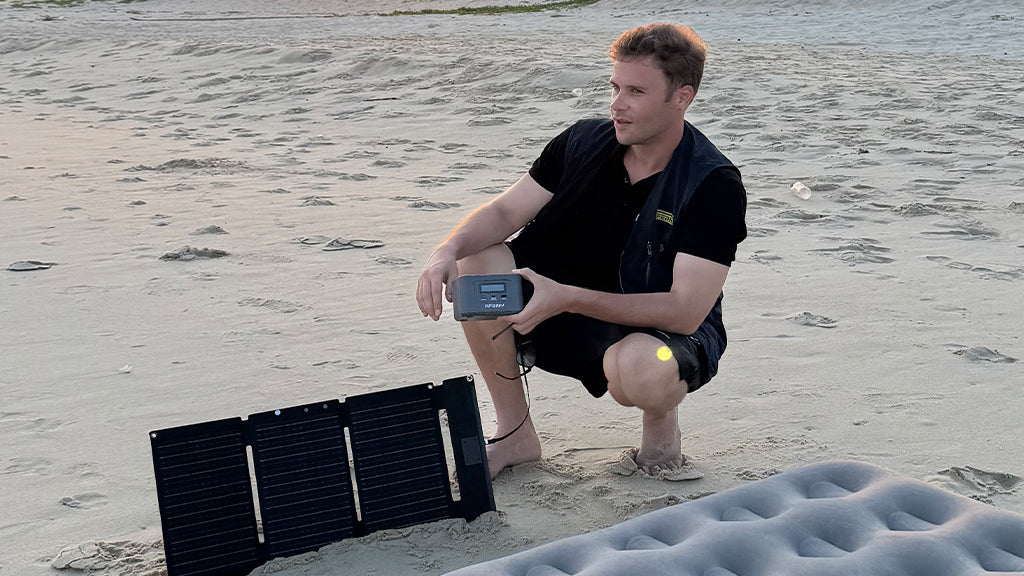
Solar Panel Compatibility: Can you connect solar panels? Yes! Almost all modern units can be paired with portable folding panels, effectively turning the unit into a highly efficient camping solar system.

Who Is It For?
In practice, portable power stations are widely considered a good choice for camping thanks to their portability and ease of use, especially for short trips and lightweight power needs.
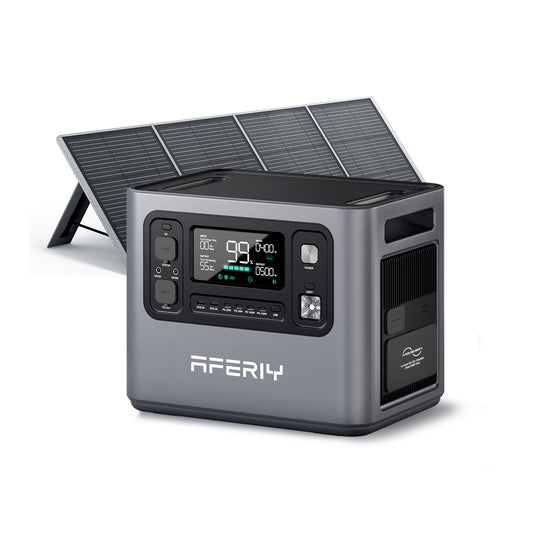
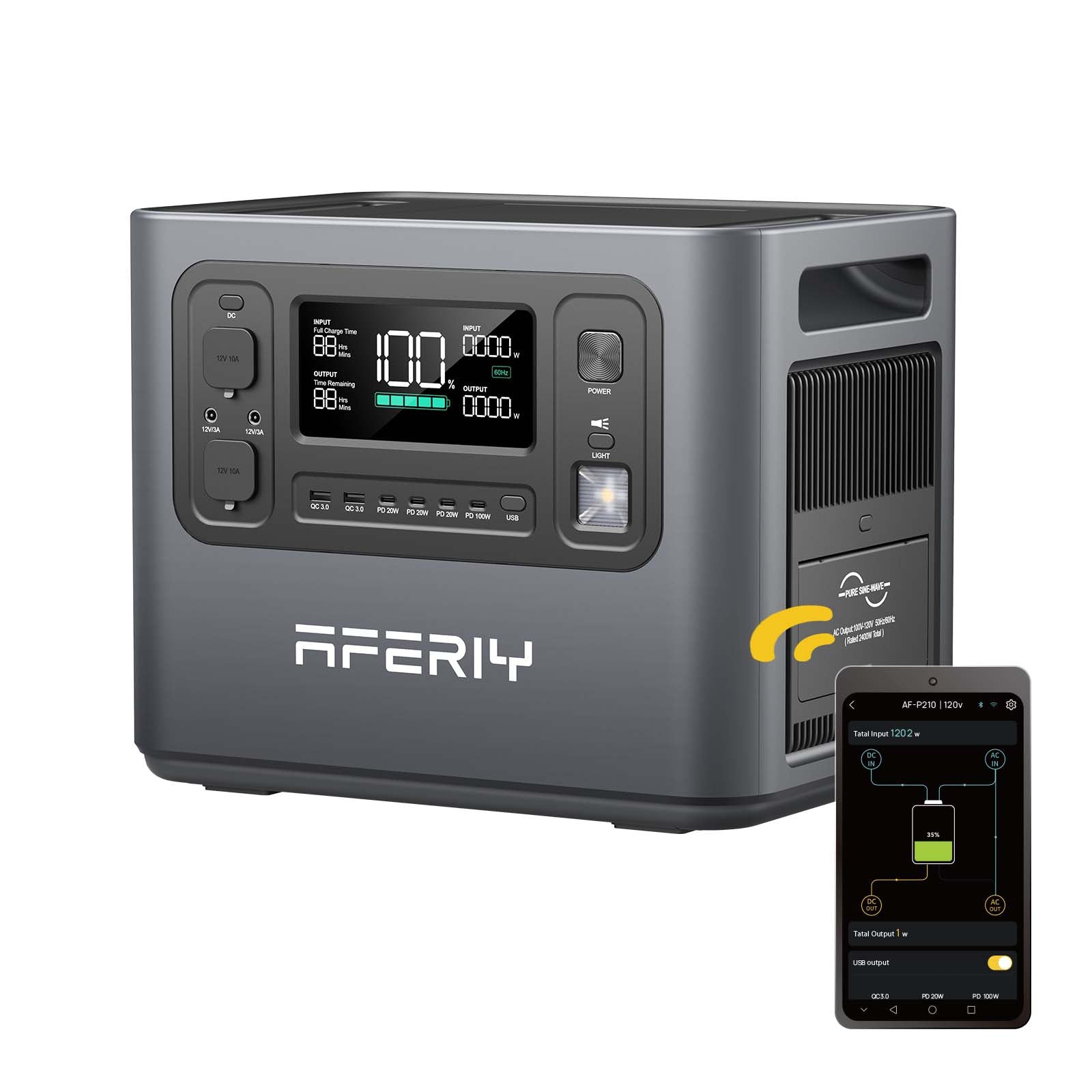
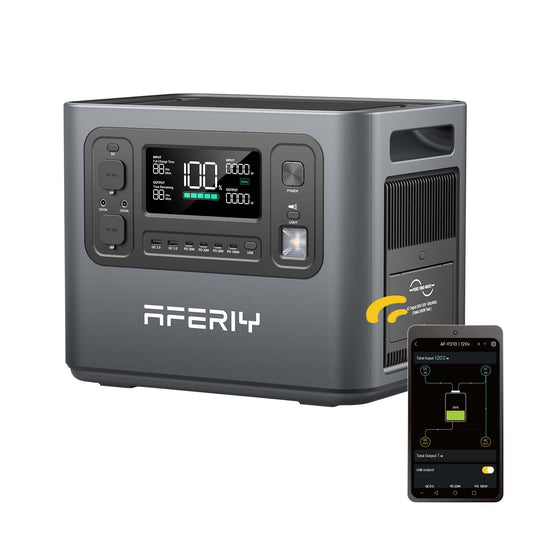
For campers who want a simple and capable outdoor power setup, the AFERIY P280 portable power station is a practical option. Its 2800W output and built-in 30A RV plug make it suitable for running many common RV appliances. It also works well as a portable camping solar system, with app control, 1200W solar input, and a LiFePO4 battery that can expand up to 10,240Wh for longer trips.
Solar Camper System vs Portable Power Station: Key Differences
To help you decide, let's break down how these two power solutions compare across the most critical categories.
Power Generation Capability
A built-in system usually features large, rigid solar panels that passively generate power as long as the sun is shining—even while driving. A portable power station generally relies on portable panels that need to be manually set up and angled toward the sun once you reach your campsite.
Ease of Installation
Portable stations win this category effortlessly. There is zero installation required. A built-in system requires drilling into your roof, routing thick wires, installing fuses, and safely configuring electrical components.
Portability
A portable station can go anywhere. You can carry it to a picnic table, take it to the beach, or bring it inside your house. A built-in system is fixed to your rig; your power stays exactly where your vehicle stays.
Expandability
A built-in setup is highly modular. If you need more power, you can swap the inverter, add another battery, or bolt on more panels. Portable power stations are generally closed systems with limited expansion capabilities, usually restricted to specific brand-matched add-on batteries.
Power Output & Capacity
Custom-built systems can support massive battery banks capable of running demanding appliances like air conditioners for days. While large portable power stations do exist, they eventually become too heavy to be truly "portable."
Comparison Table
|
Feature |
Solar Camper System |
Portable Power Station |
|
Installation |
Complex (Requires wiring) |
None (Plug & Play) |
|
Portability |
Fixed to the vehicle |
Extremely high |
|
Expandability |
Excellent (Fully modular) |
Limited |
|
Maintenance |
Requires occasional checks |
Virtually zero |
|
Capacity Potential |
Massive (Customizable) |
Moderate (Fixed per unit) |
Cost Comparison
Initial Cost
For light to moderate power needs, a portable power station is significantly cheaper upfront. You bypass the high costs of wiring, fuses, mounting brackets, and professional labor. However, if you are trying to build a massive system, custom DIY components can offer a better cost-per-watt ratio.
Long-Term Cost
A dedicated camper system is often more cost-effective over a decade. If one component fails (like a charge controller), you only replace that single part. If the internal inverter of a portable station breaks outside of warranty, you may have to replace the entire expensive unit.
Value Conclusion
For convenience and moderate energy usage, the portable station offers the best value. For heavy, daily power consumption over years of travel, building your own modular system yields the best return on investment.
|
Cost Factor |
Solar Camper System |
Portable Power Station |
|
Initial Hardware Cost |
High (Requires purchasing many individual components) |
Low to Medium (One upfront cost for the unit) |
|
Installation Cost |
High (Professional labor or specialized DIY tools) |
$0 (Ready to use out of the box) |
|
Maintenance/Repair |
Low (Replace single parts as needed) |
High (Entire unit may need replacement if broken) |
|
Overall Value |
Best ROI for heavy, daily off-grid living |
Best ROI for weekend trips and convenience |
Which One Should You Choose?
Making the right choice ultimately comes down to an honest assessment of your travel habits, power demands, and DIY comfort level.
Build a dedicated Solar Camper System if:
-
You live off-grid full-time and need continuous power for heavy appliances like an A/C or a 24/7 fridge.
-
You want a "house-like" setup that charges automatically without setting up gear.
-
You are comfortable with DIY and don't mind drilling holes and routing complex wiring.
Opt for a Portable Power Station if:
-
You are a weekend camper looking for zero installation and plug-and-play simplicity.
-
You value versatility and want a camping solar system you can move from the camper to the beach, or use as home backup power.
The Perfect Middle Ground:
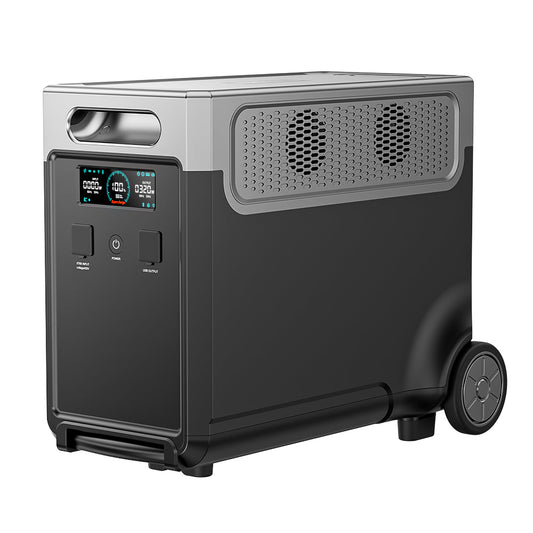
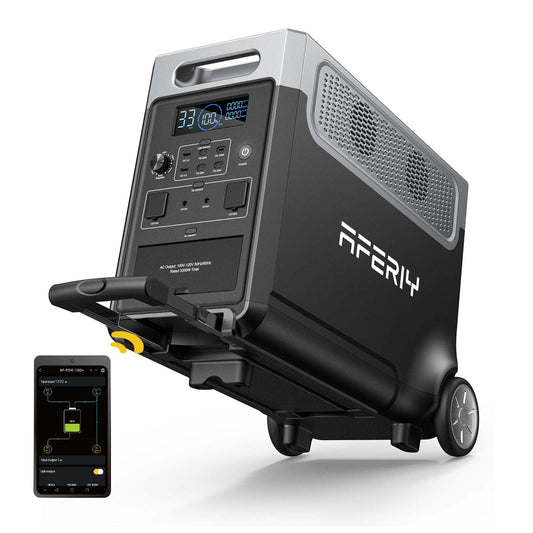
If you want strong power performance without building a permanent camper solar system, the AFERIY P310 Solar Generator kit is a reliable solution worth considering. It offers the convenience of a portable power station along with a 3600W output and an expandable 3840Wh battery. This setup can support many high-demand RV appliances, including microwaves and some air conditioners, depending on usage. With up to 2000W solar input, the P310 kit provides a well-balanced choice for users who want off-grid capability without complex installation.

Can You Combine Both?
Absolutely! This brings us to the most versatile approach to off-grid energy.
Portable power station + solar panel. By combining a portable power station with a foldable solar panel, you create a complete, self-sustaining loop of energy.
Recommendations:
To achieve this perfect hybrid setup, we highly recommend checking out complete bundles like the:
-
AFERIY P280 Solar Generator Kit: A well-balanced choice for most campers. It includes 2800W output, a built-in 30A RV plug, and 1200W solar input. It works well for standard RV appliances and fits users who want a portable camping solar system without a complicated setup.
-
AFERIY P310 Solar Generator Kit: A reliable solution for users with higher power needs. It offers 3600W output, an expandable 3840Wh battery, wheels for easier movement, and up to 2000W solar charging. For campers who want stronger off-grid performance without installing a full solar camper system, it is a practical option.
These kits provide seamlessly paired power stations and solar panels, ensuring maximum charging efficiency right out of the box.
Hybrid solution explained
This hybrid setup offers the best of both worlds. You get the renewable, free energy generation of a traditional solar camper system, combined with the grab-and-go mobility of a portable battery. You can charge the unit at home via a wall outlet, keep it topped off in your car while driving, and then deploy the solar panels at your campsite. It allows you to park your RV in the cool shade while placing the portable solar panels out in the direct sunlight.
Conclusion
Choosing between a solar camper system and a portable power station does not have to be stressful. As more campers look for flexible power solutions, interest in the best solar generator for camping in 2026 continues to grow, especially among users who want a balance between portability and solar charging capability. Assess your daily wattage requirements, your budget, and your willingness to handle DIY projects. Whether you choose the massive capacity of a hardwired setup or the incredible convenience of a portable unit, harnessing the sun's power will undoubtedly elevate your outdoor experience!
FAQ
What is the best solar system for a camper?
The most reliable and efficient setup generally includes high-efficiency monocrystalline solar panels, a smart MPPT charge controller, and a Lithium Iron Phosphate (LiFePO4) battery bank for maximum safety and longevity.
How many solar panels do you need to run a camper?
If you only need to run LED lights, charge phones, and run a water pump, 200W to 400W is usually enough. For heavy users who want to run laptops, a TV, and a microwave, 600W to 800W is recommended.
Can a portable power station run an RV?
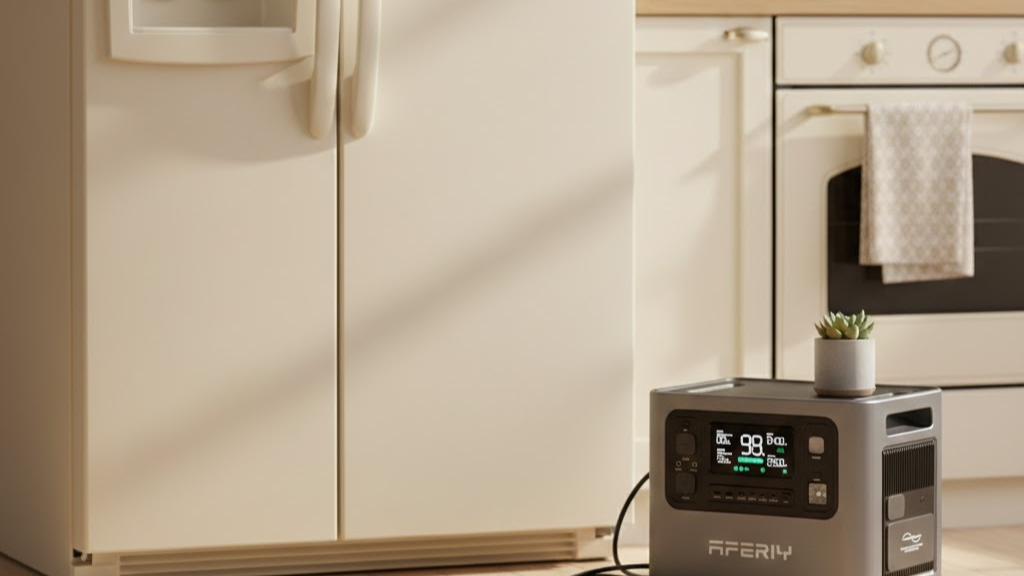
Yes! Many high-capacity portable power stations feature a standard 30-amp RV receptacle. You can plug your camper's shore power cord directly into it to power your interior outlets. Just watch your battery capacity, as heavy appliances will drain it quickly.
Is a solar camper system worth it for camping?
Yes. If you frequently camp off-grid away from electrical hookups, a solar setup pays for itself over time by eliminating generator fuel costs, reducing noise pollution, and providing total energy independence.
What size solar camper system do I need?
You need to perform a simple power audit. Add up the daily wattage of all the devices you plan to run (e.g., Laptop = 50W x 4 hours = 200Wh). Once you know your total daily Watt-hour (Wh) consumption, size your battery bank to hold at least double that amount, and buy enough solar panels to recharge that daily usage within 5 peak sun hours.
 Free shipping from US local warehouse