











Typhoon vs Hurricane vs Cyclone: What’s the Difference?
Hurricanes, typhoons, and cyclones can bring destructive winds, heavy rain, flooding, and widespread power outages. Despite their different names, they are all types of tropical cyclones. The main difference is the ocean basin where they form, not how they work.
So, are hurricanes and typhoons the same? Yes. Both are rotating storm systems that develop over warm tropical or subtropical waters. However, regional weather agencies use different names and classification systems depending on where a storm occurs.

Typhoon vs Hurricane vs Cyclone: What’s the Difference?
The terms hurricane, typhoon, and cyclone refer to the same general type of weather system, but their names vary by region.
| Name | Region |
|---|---|
| Hurricane | North Atlantic, Caribbean Sea, Gulf of Mexico, and central and eastern North Pacific |
| Typhoon | Western North Pacific |
| Cyclone | Bay of Bengal, Arabian Sea, and other parts of the Indian Ocean and South Pacific, depending on regional terminology |
For example, a storm forming over the Atlantic near the Caribbean may be called a hurricane. If a similar storm develops in the western North Pacific near the Philippines or Japan, it is called a typhoon. In the Bay of Bengal or Arabian Sea, it is commonly called a cyclone.
The scientific term tropical cyclone is used to describe this type of storm more generally. The word cyclone can also refer to broader types of rotating low-pressure systems, so context matters when reading weather reports.
Although the names differ, all three can develop powerful winds, torrential rainfall, dangerous waves, and storm surges.
Are Hurricanes, Typhoons, and Cyclones the Same in Strength?
Hurricanes, typhoons, and cyclones can all reach extreme intensity. Their names depend on where they form, not how powerful they are. However, the wind speed thresholds and classification systems used to describe their strength vary by region.
In the Atlantic and eastern Pacific, tropical cyclones become hurricanes when maximum sustained winds reach 74 mph (119 km/h). In the western North Pacific, storms of similar intensity are called typhoons. In the Indian Ocean and South Pacific, regional agencies use their own classifications, including terms such as severe tropical cyclone and very severe cyclonic storm.
The stages of development are broadly similar across regions:
Tropical depression: An organized tropical system with relatively weak winds.
Tropical storm: Sustained winds generally reach at least 39 mph (63 km/h), and the system may receive a name.
Hurricane, typhoon, or stronger regional cyclone: The storm reaches the wind threshold for the relevant regional classification.
In the Atlantic and eastern Pacific, hurricanes are rated Category 1 to 5 using the Saffir-Simpson Hurricane Wind Scale. The western North Pacific uses classifications such as typhoon and super typhoon, while other basins have different intensity scales.
Therefore, a Category 5 hurricane, a super typhoon, and an intense cyclone may all represent extremely dangerous storms, but their classification criteria are not identical. Wind speed, storm surge, rainfall, and forecast track are more useful for assessing the actual threat than the storm’s name alone.
How Do Hurricanes, Typhoons, and Cyclones Form?
Hurricanes, typhoons, and cyclones form through the same basic process over warm tropical or subtropical waters. The regional name changes, but the conditions needed for development are largely the same.
Warm seawater supplies moisture and heat as water evaporates. Warm, moist air rises and condenses into thunderstorms, releasing heat that helps sustain the rising air and lowers atmospheric pressure near the surface. As surrounding air flows toward the low-pressure center, Earth’s rotation helps organize the system into a rotating storm.
The process can develop into a hurricane in the Atlantic, a typhoon in the western North Pacific, or a cyclone in the Indian Ocean and South Pacific when the storm becomes sufficiently organized and reaches the relevant regional wind thresholds.
Several conditions favor their development:
Warm ocean water: Provides the heat and moisture needed to fuel thunderstorms.
Moist atmosphere: Supports persistent cloud formation and rainfall.
Low vertical wind shear: Helps thunderstorms remain organized around the storm center.
A pre-existing disturbance: Gives the system an initial area of low pressure and developing circulation.
Strong wind shear, dry air, cooler water, or land interaction can weaken any of these storms by disrupting their circulation or cutting off their energy supply.
What Are the Main Dangers of Hurricanes, Typhoons, and Cyclones?
The biggest threat from a tropical cyclone is not always its wind speed. Different hazards can affect communities at different stages of a storm, including areas far from where it makes landfall.
Strong winds and flying debris
High winds can damage roofs, break windows, uproot trees, and bring down power lines. Even objects that appear harmless outdoors can become dangerous when blown around. Residents should secure outdoor furniture, trash cans, and loose equipment before conditions deteriorate.
Storm surge and coastal flooding
Storm surge is the abnormal rise in seawater pushed toward the coast by a storm. It can flood roads, homes, and low-lying areas, sometimes making evacuation routes impassable. Coastal residents should pay close attention to evacuation orders and storm surge warnings.
Heavy rain and inland flooding
Tropical cyclones can produce intense rainfall even after their winds weaken. Flash flooding, overflowing rivers, and landslides may affect inland communities. A storm’s distance from the coast does not necessarily mean the danger has passed.
Power outages
Fallen trees, damaged power lines, flooding, and infrastructure damage can interrupt electricity. Outages may affect refrigerators, lighting, internet routers, phones, medical equipment, and other essential devices.
For households, power interruptions can become one of the most immediate challenges after a storm, especially when repairs take several days.
How to Prepare for a Hurricane or Typhoon
Preparing before a hurricane or typhoon arrives can help reduce risks and make power outages easier to manage. Beyond stocking food and water, households should plan for potential disruptions to electricity, communication, and daily essentials.
Before the storm
Check official weather forecasts and local emergency guidance. Prepare drinking water, shelf-stable food, medications, flashlights, batteries, first-aid supplies, and important documents. Secure outdoor objects, protect windows and doors, and identify evacuation routes if you live in an evacuation zone.
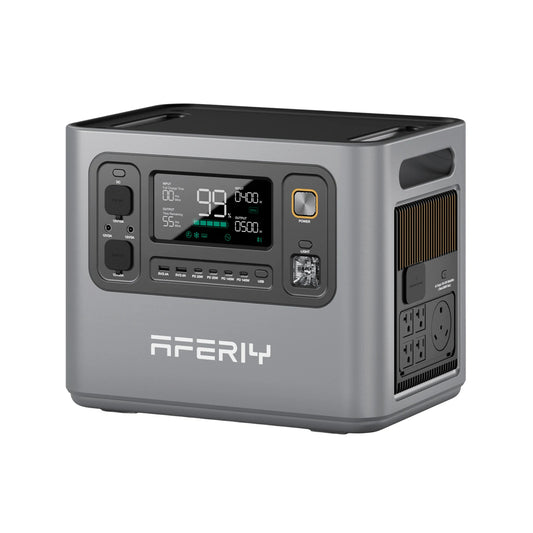
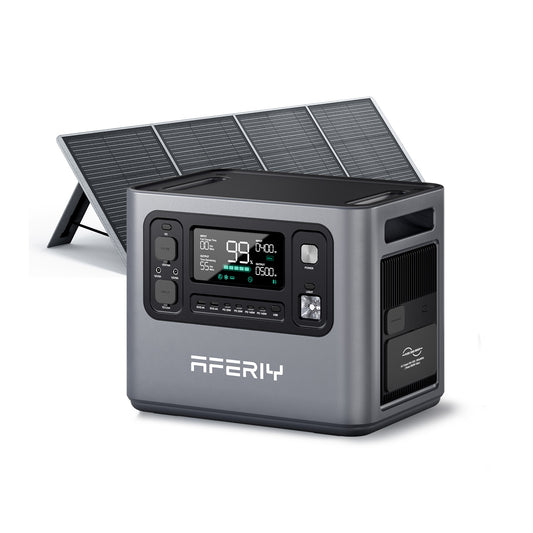
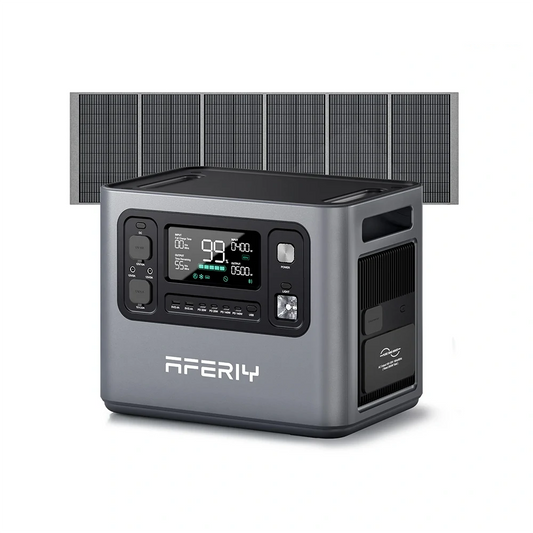
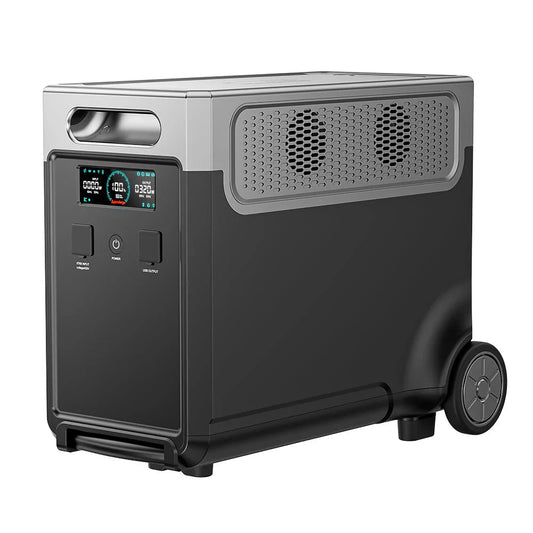
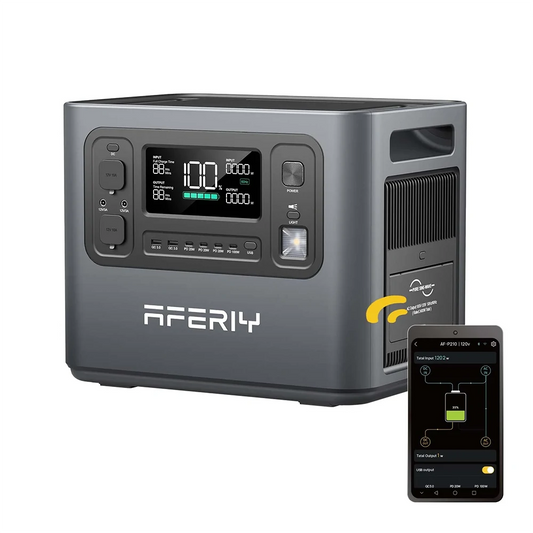
Power outages can last for hours or days after a storm, so consider how you will keep essential devices running. A portable power station can provide backup electricity for phones, lights, refrigerators, and other compatible appliances. For households preparing for hurricane-related outages, the AFERIY P280 Portable Power Station offers 2800W of output and 2048Wh of capacity, with expandable capacity up to 10240Wh. It can help power essential household devices such as refrigerators, Wi-Fi routers, LED lights, phones, and laptops during an outage. If you need more power and longer runtime, the AFERIY P310 Portable Power Station provides 3600W output and 3840Wh capacity, expandable up to 11520Wh, making it suitable for households that need to run multiple devices, such as refrigerators, cooking appliances, lighting, and communication equipment, during extended outages. Actual runtime depends on the power consumption of connected devices and the available battery capacity.

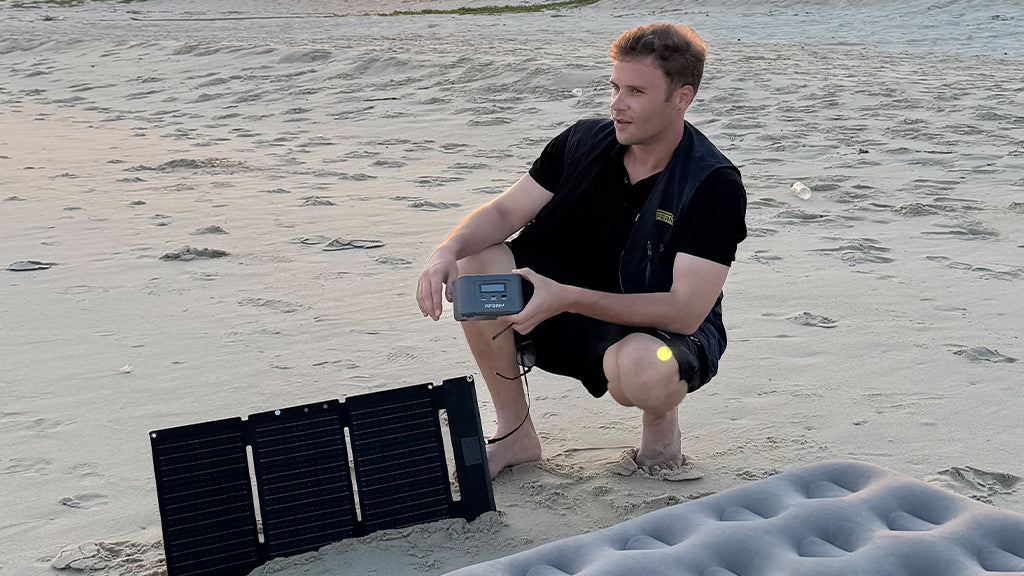
If you plan to use solar charging during an extended outage, prepare compatible solar panels in advance. Fully charge your power station before the storm, check the wattage of the devices you intend to connect, and keep charging cables and accessories accessible.
During a power outage
Keep refrigerator and freezer doors closed as much as possible to preserve food. Use flashlights instead of candles when possible, and conserve phone battery by reducing unnecessary use.
Use your prepared backup power source to charge phones, run LED lights, maintain communication, or power compatible essential appliances within its output limits. Prioritize critical devices and monitor remaining battery capacity to avoid running out of power too quickly.
Solar charging may help extend available power during longer outages, but severe weather, cloud cover, and limited sunlight can reduce charging performance.
After the storm
Avoid flooded roads, downed power lines, and damaged buildings. Follow local instructions before returning to evacuated areas. Check food safety after prolonged power interruptions, and use backup power equipment outdoors or in a properly ventilated location according to the manufacturer’s instructions.
Preparing backup power before a storm can help your household manage unexpected outages with fewer disruptions.
FAQs
Are hurricanes and typhoons the same?
Yes. Both are tropical cyclones. The term hurricane is used in the Atlantic and certain Pacific regions, while typhoon is used in the western North Pacific.
What is the difference between a hurricane and a cyclone?
In common regional usage, hurricanes are named in the Atlantic and parts of the Pacific, while cyclones are used in the Indian Ocean and South Pacific. Scientifically, cyclone is also a broader term for rotating low-pressure systems.
Which is stronger, a hurricane or a typhoon?
Neither is inherently stronger. Both can reach extreme intensity. The storm’s sustained wind speed, rainfall, storm surge, and other conditions determine its potential impact.
Can a typhoon become a hurricane?
A tropical cyclone may move between ocean basins, but such crossings are uncommon. Its regional name depends on its location and the naming conventions used by the responsible meteorological agency.
Conclusion
Hurricanes, typhoons, and cyclones are regional names for tropical cyclone systems. Hurricanes occur in the Atlantic and parts of the Pacific, typhoons form in the western North Pacific, and cyclones are used across parts of the Indian Ocean and South Pacific.
Their names do not determine how destructive they will be. Wind speed, rainfall, storm surge, flooding, and the storm’s path all influence the potential damage. Understanding these hazards and preparing for disruptions such as power outages can help households make better decisions before severe weather arrives.
 Free shipping from US local warehouse