













Are Solar Batteries Worth It for Your Home?
If you already have solar panels, adding a battery may seem like the obvious next step. Instead of sending excess solar power to the grid during the day, you can store it and use it later.
But are solar batteries worth it for every home? Not necessarily. A battery can help you use more of your solar power and provide backup during outages, but strong net metering and a reliable grid can make the extra cost harder to justify.
Ultimately, the answer depends on your electricity rates, utility policies, energy use, and backup needs. Let’s look at how solar batteries work and when they make sense.

How Do Solar Batteries Work?
A solar battery stores electricity generated by your solar panels so you can use it later.
During the day, your solar panels first supply electricity to your home. If your panels produce more electricity than you’re using, the excess can charge the battery. Once the battery is charged, additional electricity may be sent to the grid, depending on how your system and utility are set up.
At night, the battery can supply stored electricity to your home. It can also provide backup power during an outage if the system is designed for backup operation.
This is the basic advantage of solar‑plus‑storage: solar panels produce electricity when the sun is available, while batteries allow some of that energy to be shifted to another time. The U.S. Department of Energy notes that storage can help homeowners use solar energy later in the day, including when electricity demand is higher or when the grid goes down.
When Are Solar Batteries Worth It?
Solar batteries tend to make the most sense when they solve a regular problem at home—such as excess daytime solar, high evening electricity use, or low compensation for exported power.
You Make More Solar Power Than You Use
Solar panels often produce the most electricity around midday, when household demand may be relatively low. Later in the afternoon and evening, solar production falls while electricity use can increase.
Without a battery, excess solar may be sent to the grid, depending on your utility’s rules. With storage, you can keep some of that energy and use it later.
This can be particularly useful if your home consistently produces more solar power during the day than it can use at the time. Instead of exporting that excess and buying electricity later, a battery lets you shift some of your solar energy to when you actually need it.
You Use More Electricity After Sunset
Evening is often when household electricity use picks up. Air conditioning, cooking, dishwashers, lighting, and other appliances can all increase demand after solar production has dropped.
If your utility uses time‑of‑use rates, a battery can store solar energy earlier in the day and supply some of your evening demand when electricity costs more. The exact peak periods and rates vary by utility.
For households with substantial evening electricity use, this timing advantage can make battery storage more valuable than simply adding more battery capacity.
Your Utility Pays Little for Excess Solar
Your utility’s compensation for exported solar is another major factor.
If excess solar receives a credit close to the rate you pay for electricity, sending power to the grid may already provide good value. But if exported electricity receives a much lower credit, using more of your solar power at home can become more attractive.
This is why two homes with similar solar systems can reach different conclusions about battery storage. Net‑metering availability, export rates, and bill‑credit rules vary by utility and location, so the value of a battery depends partly on how your utility treats the solar electricity you don’t use immediately.
You Need Backup During Outages
For some homeowners, the main value of a solar battery is backup power rather than monthly electricity savings.
During an outage, a properly configured solar‑plus‑storage system can keep essential loads running, such as a refrigerator, lights, Wi‑Fi equipment, and selected outlets. What you can power depends on the battery’s usable capacity, power output, and system configuration. High‑power appliances such as central AC or electric ranges may require more output and may need to be managed separately.
It’s also important to know that solar panels alone typically won’t keep a home powered during a grid outage. A properly configured battery and inverter system can disconnect from the grid and continue supplying power to the home.
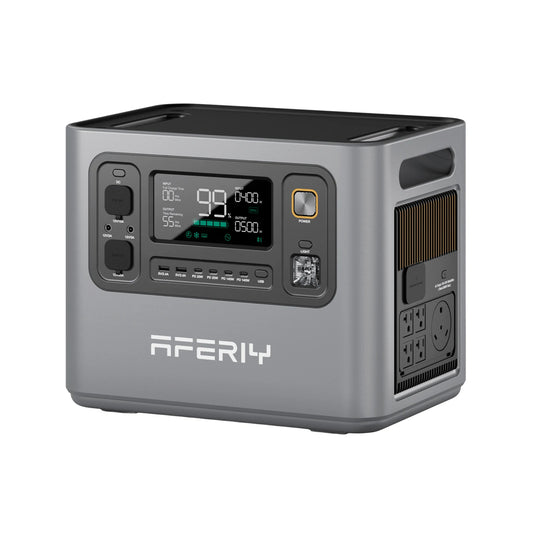
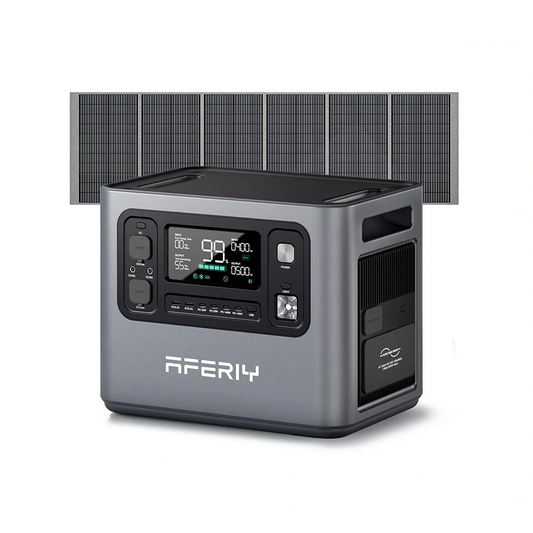
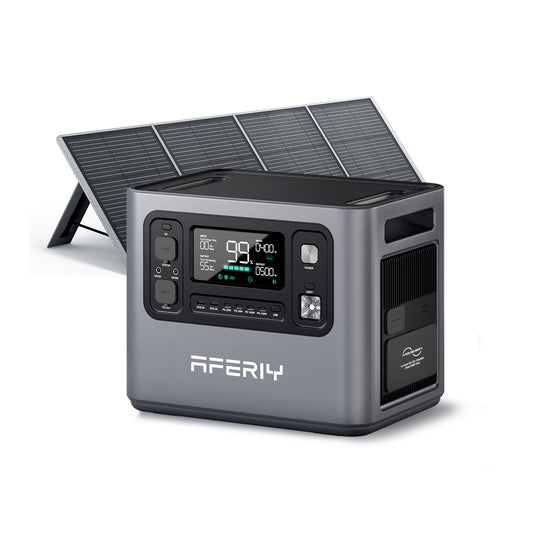
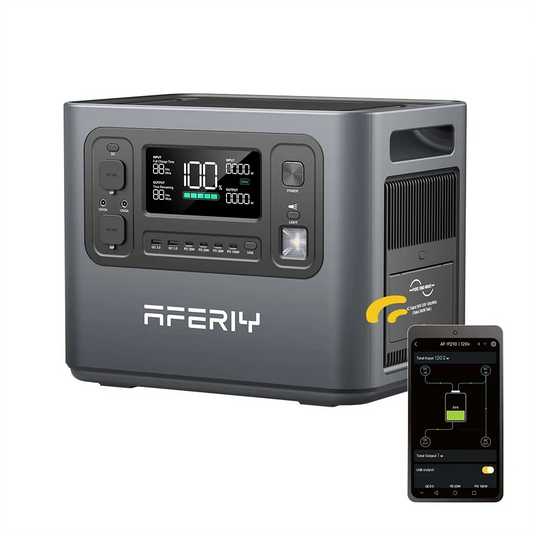
If you only need this type of backup occasionally rather than daily energy storage, a portable power station can be another option. The AFERIY P180 Pro Portable Power Station offers 1,024Wh of capacity and 1,800W of rated output, enough for many everyday essentials such as a refrigerator, Wi‑Fi equipment, lights, and laptops within its power limits. Its under‑10ms UPS can help keep computers and networking equipment running through brief power interruptions, while its 25.5‑pound design makes it easy to move between home backup, camping, and other off‑grid uses.

When Are Solar Batteries Not Worth It?
A battery isn’t automatically a good investment just because you already have solar panels. In some situations, the added cost may provide relatively little additional value.
You Get Good Credit for Solar
If your utility provides favorable net metering or strong credits for exported solar, you may already receive substantial value from the electricity your panels send to the grid.
For example, if your home uses little electricity during the day, excess solar can be exported and credited toward electricity you use later. In this situation, a battery can still provide backup power and greater energy independence, but the financial benefit of storing that electricity yourself may be smaller.
Your Power Rarely Goes Out
If your grid is reliable and outages are usually short and infrequent, backup power may not be a major priority.
If you mainly consider a battery for emergencies, the investment can be harder to justify when outages are rare. The decision then depends more on whether the battery can provide enough savings through your electricity rates and solar export policy to offset its upfront cost.
Your Home Uses Little Electricity
A larger battery isn’t necessarily a better choice. If your household uses relatively little electricity or already consumes most of its solar power during the day, there may not be enough excess energy or evening demand to make a large battery worthwhile.
The better approach is to match battery capacity with your solar production, household electricity use, and backup needs. A home that only needs to keep a refrigerator, lights, Wi‑Fi, and a few essential devices running during an outage will have very different storage needs from one trying to power central AC, an electric range, and other high‑power appliances.
The Installation Cost Is Too High
The battery itself is only part of the total cost. A permanent home battery installation can also involve electrical work, backup equipment, permits, and other installation requirements.
In the first half of 2026, the average U.S. installed cost was about $15,647 for 13.5 kWh of battery storage, before incentives. Costs vary by location, with California averaging about $14,567 for a 13.5 kWh system. These figures show why the total installed cost matters when deciding whether a battery is worth the investment.
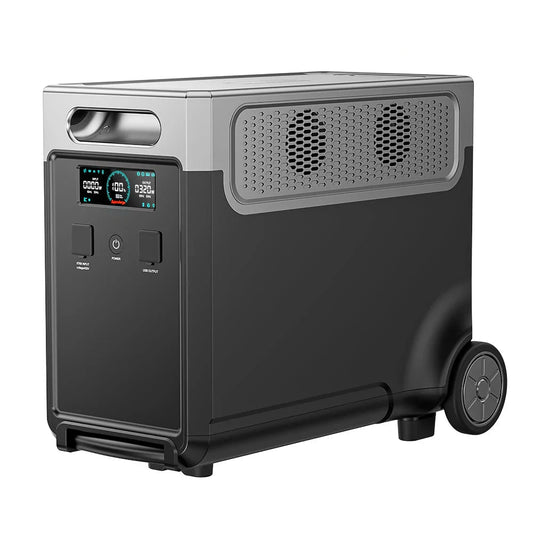
If you need more substantial backup capacity but don’t want to commit to a permanently installed battery system, a larger portable power station can be another option. The AFERIY Haven3000 P300 Portable Power Station provides 2,048Wh of capacity and 3,000W of rated output, with up to 1,200W of solar input and expandable capacity up to 10,240Wh. This gives you more capacity for longer outages and higher‑power loads while retaining the flexibility of a portable system.

How Much Do Solar Batteries Cost?
Solar battery costs vary by battery size, installation, equipment, and location. In the first half of 2026, the average U.S. installed cost was about $15,647 for 13.5 kWh of storage, before incentives.
What Are You Paying For?
When comparing systems, focus on three numbers:
Usable capacity: How much energy the battery can actually deliver.
Power output: How much electricity it can provide at once.
Total installed cost: The final cost including equipment and installation.
A larger battery isn’t necessarily better. If your home uses little electricity or has limited excess solar, paying for additional capacity may not provide much extra value.
How Long Does It Take to Pay for Itself?
A simple estimate is:
Payback period = Net battery cost ÷ Annual savings
For example, a $12,000 battery that saves $1,000 per year has a 12‑year simple payback.
Actual payback can vary with electricity rates, battery degradation, household energy use, financing, and the value of backup power. A battery’s financial return should therefore be considered alongside its expected service life.
How Long Do Solar Batteries Last?
Most residential solar batteries are designed to operate for roughly 10 to 15 years, although actual lifespan varies with battery chemistry, cycling, operating conditions, and warranty terms.
A battery with a long payback period may therefore provide less financial value if much of its expected service life is spent recovering the initial cost.
What About Tax Credits in 2026?
The federal Residential Clean Energy Credit covered 30% of qualifying costs for eligible property installed through December 31, 2025. Under current IRS rules, the credit is not available for property placed in service after that date.
State, local, and utility incentives may still vary, so those programs should be checked separately.
Ultimately, the battery’s purchase price is only one part of the decision. The more important question is whether its expected energy savings and backup value justify the total installed cost over its useful life.
FAQs
Can I add a battery to an existing solar system?
Yes, in many cases. Compatibility with your existing inverter, electrical system, and local requirements needs to be checked first.
Do I need to replace my solar panels to add a battery?
Not necessarily. Battery storage can often be added to an existing solar system, although the equipment and wiring may need to be updated depending on the system design.
How do I choose the right battery size?
Start with the appliances you want to run, their power requirements, and how long you need them during an outage. Your typical excess solar production also matters.
Can solar batteries charge from solar power during an outage?
Yes, if the system is specifically designed for backup operation. A properly configured inverter and battery system can disconnect from the grid and continue using solar energy to supply the home and recharge the battery when conditions allow.
Conclusion
So, are solar batteries worth it? For some homeowners, yes—but it depends on the numbers and how the battery will be used.
A battery is more compelling when electricity rates are high, exported solar has limited value, time‑of‑use rates make evening power more expensive, or outages are a concern. The case is weaker with strong net metering, low electricity use, a reliable grid, or high installation costs.
The goal isn’t simply to add more storage, but to match the battery’s capacity, power output, cost, and backup capability to your household’s actual energy needs.
 Free shipping from US local warehouse