











How Many Watts Does a Heat Pump Use?
The amount of watts required by a heat pump is required knowledge for homeowners, whether you are managing energy bills, calculating the electrical capacity of your house, or readying a backup power solution.
Heat pumps are known to be highly efficient in relation to conventional heating and cooling systems, though their power usage changes with the size, type, and even operating conditions. This article explains how many watts a heat pump uses, the variables that affect the energy requirement of the device, and how a reliable portable source of power, such as AFERIY solar generators, can assist a heat pump during outages and keep your home cozy and the system running smoothly.
What Is a Heat Pump?
A heat pump is a type of system that uses electricity to transfer heat instead of generating it. During heating, it removes the heat from the external air, ground, or water and transfers it inside. It operates as an air conditioner by removing heat from the interior of the house when in cooling mode. And as a heating method, heat pumps avoid the energy waste of combustion-based heating. By focusing on heat transfer, these units operate with minimal power intake. Their superior efficiency aligns with today's energy-sensitive homes.
How Many Watts Does a Heat Pump Use
The first step to determining a heat pump’s wattage is to make a distinction between average running power and peak startup demand. Heat pumps turn off and on during the day, and the real power consumption depends on the size of the system, the efficiency rating, the quality of insulation of the house, and usage patterns. Understanding each variable assists homeowners in making more accurate projections of the real-world use of electricity.
Typical Wattage for Heat Pumps
Heat pumps can typically use between 500 watts and 2500 watts during operation. Minimal ductless mini-splits can take 500-1,500 watts, and larger central heat pumps can take 2,000-4,000 watts during operation. Momentary demand can rise in a startup, particularly during cold weather, as the compressor comes on and auxiliary heating is activated.
How to Calculate Your Heat Pump Usage
Calculating energy consumption is essentially elementary math: Wattage times usage equals consumption. A 3,000-watt unit running for 6 hours consumes 18 kWh.
A 3000-watt solar generator can power many appliances in a home, including smaller heat pumps and essential devices. However, for homes with higher energy demands, it might be necessary to consider a more powerful solar generator to ensure all devices remain operational during outages.
But the number you get is merely a baseline to make further judgments on. If you have two units with identical power ratings, under different conditions, their actual electricity draw over a month can vary significantly. This discrepancy usually stems from operating efficiency, like SEER for cooling and HSPF for heating. Understanding these energy variables allows homeowners to better manage electricity costs and optimize system performance.

Key Factors Affecting the Power Usage of Heat Pumps
The efficiency of heat pumps is not predetermined. How many watts a heat pump uses per day is determined by a number of variables, some of which can have a profound effect on long-term energy expenses.
1. Size and Capacity of the Heat Pump
Heat pumps that are larger and are meant to work in larger houses need more power to operate efficiently in transferring heat. A small unit can be operated continuously, wasting more energy, whereas an oversized system can operate inefficiently and has a shorter life. Proper sizing achieves a balance in power use, comfort, and system lifespan.
2. Type of Heat Pump
Air-source heat pumps do not typically require much power initially compared to ground-source systems, although geothermal heat pumps are more efficient in the long-term. Ductless mini-splits are generally less wattage than centralized ducted cooling/heating, in smaller spaces or highly zoned areas where focused cooling/heating is required.
3. Climate and Seasonal Variations
In mild climates, heat pumps are effective and do not consume much power. The system is forced to work harder in extreme cold or heat and therefore consumes more wattage. With cold conditions, the use of auxiliary or backup heating usually kicks in, and this considerably increases electricity use during winter.
How to Reduce the Energy Consumption of a Heat Pump
Insulation, air sealing, and consistency in thermostat settings can greatly reduce the amount of energy consumed by the heat pump. Easy maintenance, such as filter cleaning and system inspections, ensures a proper airflow and running of compressors. Smart thermostats, zoning systems, or programmed temperature settings are also used to reduce the wasteful runtime of the system, which lowers the total wattage used without compromising indoor comfort or the system's performance.

Powering Your Heat Pump During an Outage
A power outage stops your heat pump when you need it most, and this is why a stable power source is a must in ensuring the comfort of the interiors. Solar generators have become a viable and clean alternative to keep your heat pump on. Solar power generation stations are silent, emissions-free, and provide stable power that can be used by sensitive HVAC systems, unlike fuel-based generators.
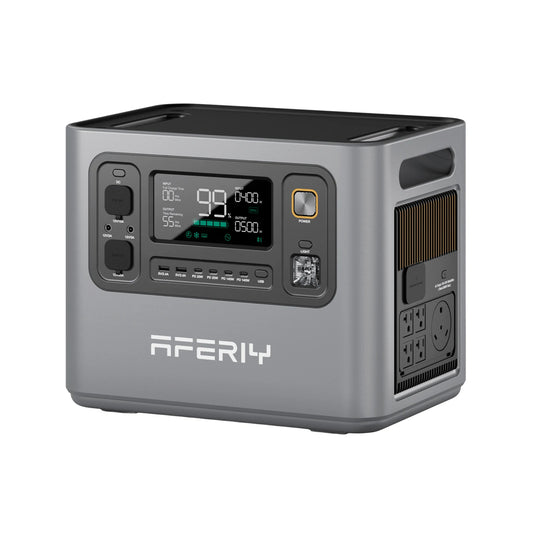
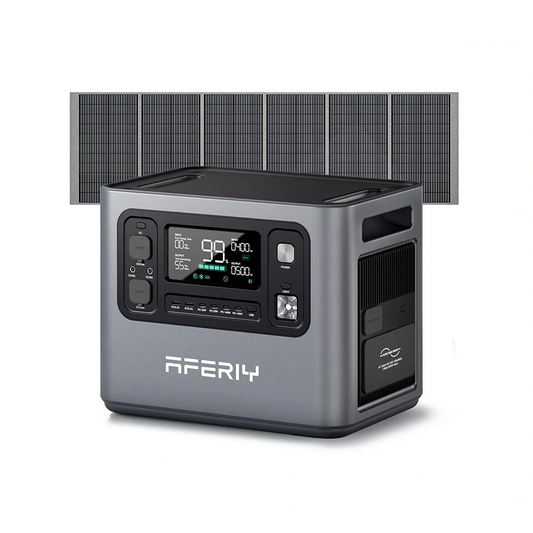
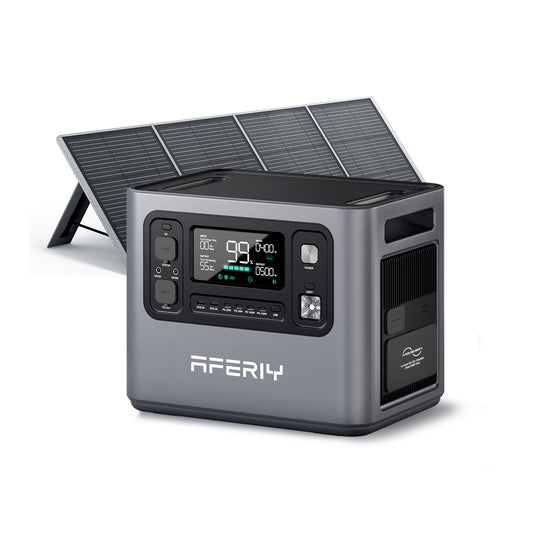
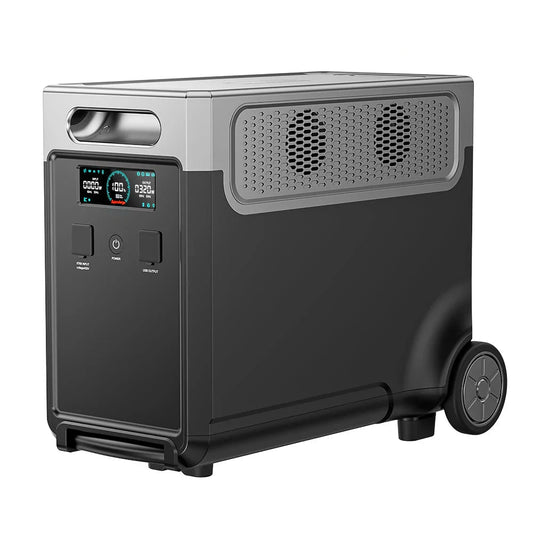
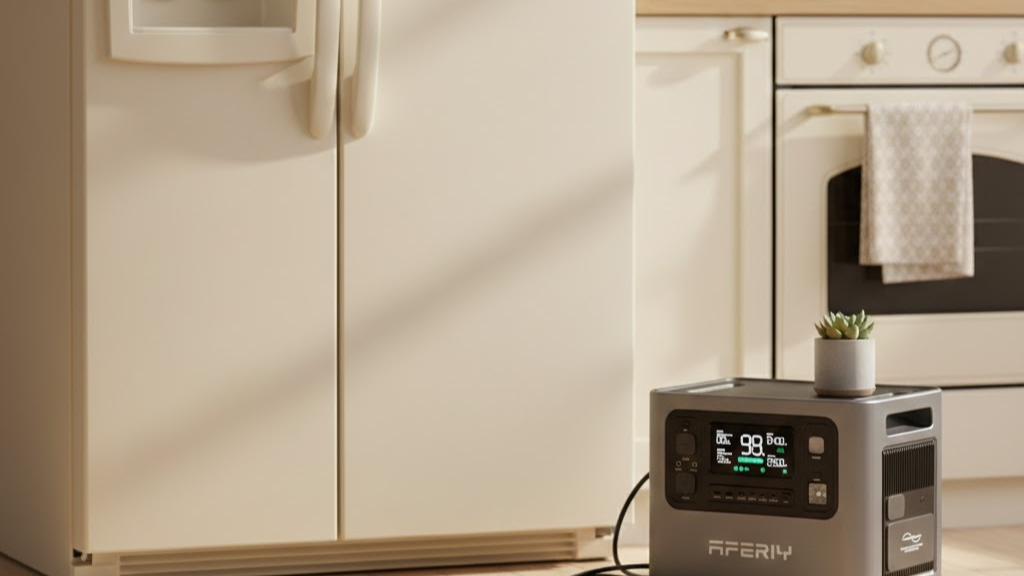
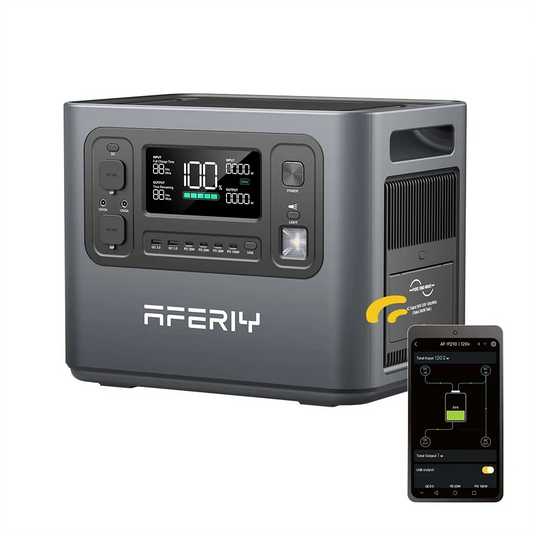
The Aferiy P280 and P310 provide reliable home backup batteries for heat pumps. These environmentally-friendly power plants provide stable production equipped with pure sine wave inverters, which are safe to operate during heating and cooling processes. They do not require any form of fuel. You can recharge them using wall outlets, vehicles, or solar panels due to their battery-based design.
Aferiy P280 solar generator has a maximum output of 2800W, which is suitable to offer temporary power in emergencies to smaller residential heat pumps with low energy consumption. It is also a convenient option because of its small size and transportability; therefore, it can be used during temporary power interruptions when critical warming or cooling is necessary.
Aferiy P310 solar generator has a larger output capacity, which is why it is applicable for operating larger heat pumps and other household appliances that require more power. It provides a stable power source to ensure uninterrupted climate control during extended outages, whether you are in heating or cooling mode.
Conclusion
So, in summary, how many watts does a heat pump use? A heat pump usually consumes 500-2,500 watts in operation, depending upon size, type, and conditions. Understanding how many watts a heat pump uses gives a homeowner control over electricity charges, a proper selection of system sizes, and also emergency preparedness.
By adopting effective energy practices and having a dependable backup such as the Aferiy P280 and P310 solar generators, the heat pump customers will be able to remain comfortable and maintain the reliability of their systems and energy efficiency even when power stops unpredictably.
FAQ
How Much Is a Heat Pump
Heat pumps can cost between $3,000 and $10,000, depending on the type of system, capacity, efficiency ratings, and complexity of installation. High-efficiency systems or geothermal systems can be more expensive to install, but can provide long-term energy efficiency.
How to Fit a Heat Pump
Heat pump installation must be performed by a certified professional. The right size must be used, the right location should be used, and electrical compatibility and system integration are necessary to achieve efficiency, safety, and high long-term performance.
How Long Do Heat Pumps Last
A properly maintained heat pump has a lifespan of 15-20 years. Proper maintenance, usage, and repair go a long way in prolonging the life of the system and efficiency in general.
 Free shipping from US local warehouse