












What Can a 3000W Inverter Run? A Complete Guide
When choosing a backup power solution, one of the most common questions is: what can a 3000‑watt inverter run?
A 3000W inverter is powerful enough to handle many household appliances, RV equipment, and power tools, but the actual answer depends on more than the output number. The appliances you can run are affected by their running wattage, startup power requirements, battery capacity, and how many devices are operating at the same time.
For example, a refrigerator may only consume around 100–800W during normal operation but require additional power when its compressor starts. A microwave may use around 1,000W or more, while devices like Wi‑Fi routers, laptops, and LED lights require much less energy. Understanding these differences helps you avoid choosing a system that is either too small or unnecessarily oversized.

What Is a 3000W Inverter?
A 3000W inverter converts DC electricity stored in a battery into AC power that household appliances can use. In a traditional setup, the inverter works together with a battery bank, charger, and other components to provide usable electricity.
The 3000W rating usually refers to the continuous output power the inverter can provide. However, many appliances require extra power when starting. This temporary increase, known as surge power, is especially important for motor‑driven devices such as refrigerators, pumps, and power tools.
For users who need stable power for sensitive electronics, a 3000W pure sine wave inverter is often preferred because it produces cleaner AC electricity similar to the power supplied by the grid. This type of output is suitable for devices such as computers, monitors, and other electronics that require stable operation.
What Can a 3000W Inverter Run?
A 3000W inverter can support a wide range of appliances as long as the combined power demand stays within its output capacity.
Common examples include refrigerators, microwaves, coffee makers, TVs, laptops, lighting, and many power tools. A refrigerator may typically use around 100–800W while running, while microwaves and coffee makers often consume around 1,000W or more during operation.
The key is not only checking whether one appliance can run, but also considering what happens when multiple devices operate together. A refrigerator, router, lights, and laptop may work comfortably at the same time, while adding several high‑power heating appliances could quickly approach the inverter’s limit.
Home Backup: Keeping Essential Appliances Running During Outages
For many homeowners, backup power is the main reason to consider a 3000W inverter.
During an outage, most people do not need to power every appliance in the house. Instead, they usually want to keep essential devices running, such as refrigerators, internet equipment, lighting, laptops, and other everyday electronics.
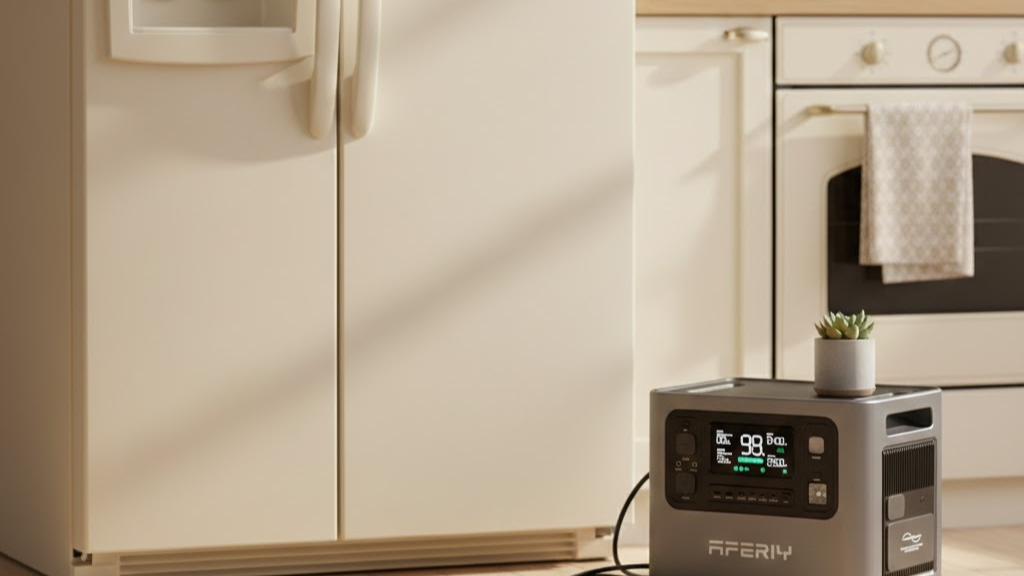
A 3000W inverter can handle this type of backup setup because these essential loads typically stay within its output range. It can help keep food refrigerated, maintain internet access for remote work, and provide electricity for important household devices.
However, building a traditional inverter system can be complicated. Users need to select a compatible battery, install proper wiring, connect charging equipment, and manage multiple components. For homeowners who want a simpler backup solution, a portable power station can be more convenient because it combines the inverter, battery storage, and charging system into one device.
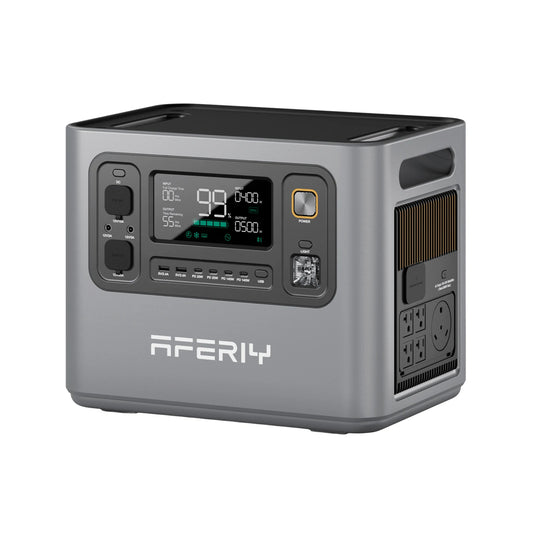
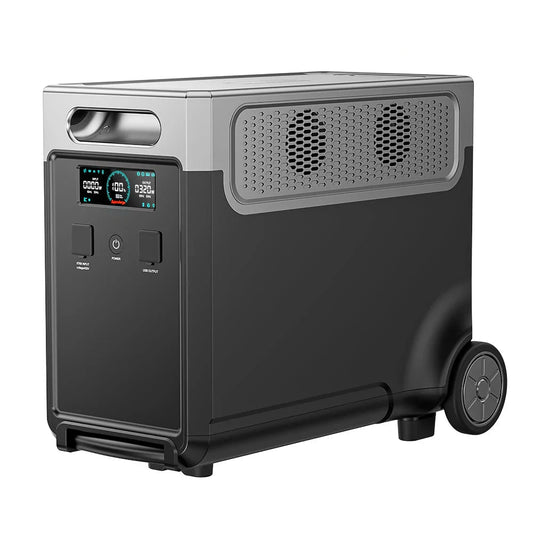
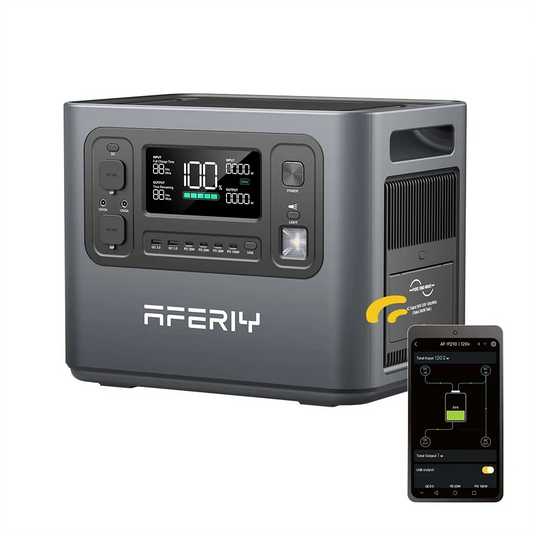
For example, the AFERIY P300 Portable Power Station is designed for users who need higher output for emergency backup but do not want a complex installation. In a real power outage scenario, it can provide portable electricity for appliances such as refrigerators, home office equipment, and kitchen devices. Its integrated design makes it easier to move, set up, and use compared with building a complete inverter system from separate components.

Kitchen Appliances: Can a 3000W Inverter Handle Cooking?
Many users searching what can i run on a 3000‑watt inverter are interested in whether they can continue cooking when electricity is unavailable.
A 3000W inverter can generally support common kitchen appliances, including microwaves, coffee makers, electric kettles, and induction cooktops. However, these appliances can consume a significant amount of power because they rely on heating elements.
For example, running a microwave for a few minutes while keeping a refrigerator and Wi‑Fi router powered is usually practical. However, operating a microwave, electric kettle, and other high‑power appliances simultaneously may bring the total load close to the inverter’s limit.
A better approach is prioritizing appliances based on actual needs. Using high‑power kitchen devices only when necessary helps reduce battery consumption and extends available runtime.
RV and Camping Applications
A 3000W inverter is also popular among RV owners because it provides enough power for many everyday conveniences while traveling.
In an RV environment, it can support appliances such as refrigerators, coffee makers, laptops, entertainment systems, and some cooking equipment. Depending on the specific model and startup requirements, some smaller air conditioners may also be compatible.
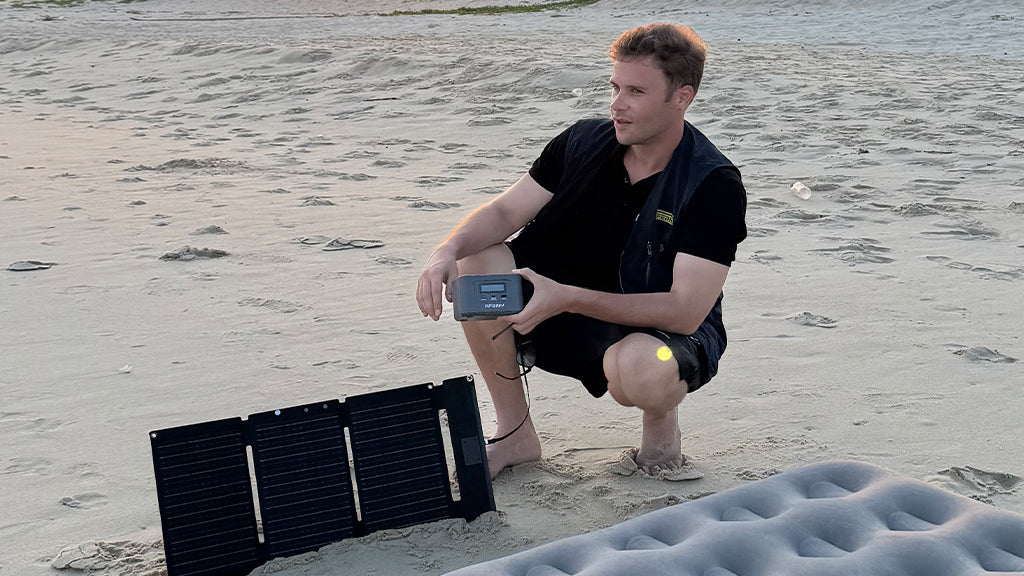
However, not every outdoor user needs maximum output. For weekend camping, hiking trips, or situations where portability matters more than running multiple appliances, a smaller power solution may be more practical.
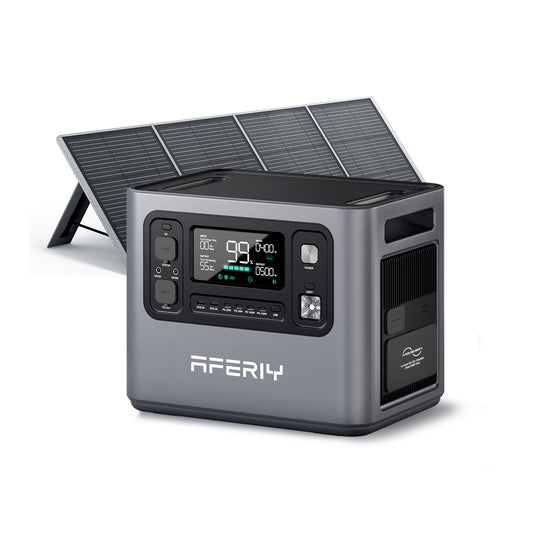
The AFERIY P180 Pro Portable Power Station is better suited for these scenarios. Instead of focusing on maximum output, it provides a more portable option for outdoor activities where users mainly need power for electronics, small appliances, and emergency charging. Its compact design makes it easier to carry and store compared with larger backup systems.

Power Tools and Remote Worksites
A 3000W inverter can provide reliable electricity for DIY projects, workshops, and remote job sites where traditional power sources are unavailable.
Many common tools, including drills, circular saws, grinders, and small compressors, can operate within this power range. However, users should pay attention to startup requirements because motor‑driven tools often need extra power when switched on.
For example, a drill may only require several hundred watts during operation but may briefly demand more power at startup. Running several high‑demand tools at the same time can also increase the risk of overload.
Checking both running wattage and surge requirements before connecting equipment helps ensure stable operation.
What Can’t a 3000W Inverter Run?
Although a 3000W inverter is powerful, it is not designed to replace a complete household electrical system.
Central Air Conditioning Systems
Whole‑house central AC systems are generally not suitable for a 3000W inverter because they often require high startup power and significant continuous energy consumption.
Smaller window units or RV air conditioners may be possible depending on their power requirements, but users should always check both running and startup wattage before connecting them.
High‑Power Heating Appliances
Heating appliances are among the most demanding electrical loads because they require continuous power.
Devices such as electric dryers, electric water heaters, and large space heaters can quickly consume most of a 3000W inverter’s available output. Even if they can operate temporarily, they may drain battery storage much faster than essential appliances.
How Long Can a 3000W Inverter Run Appliances?
A higher inverter output does not automatically mean longer runtime.
The inverter determines how much power can be delivered at one time, while the battery capacity determines how long that power can continue.
Runtime depends mainly on:
- Battery capacity (Wh)
- Appliance power consumption (W)
- Inverter efficiency
- Usage patterns
A simple estimate is:
Runtime = Battery Capacity (Wh) × Efficiency ÷ Appliance Power (W)
For example, a refrigerator may operate for many hours because its compressor cycles on and off, while a microwave or heater continuously consumes power and drains the battery much faster.
This is why choosing the right battery capacity is just as important as choosing inverter output.
How to Choose the Right 3000W Inverter System?
Choosing a 3000W inverter system depends on how you plan to use it.
First, consider the appliances you need to run. If your priority is refrigerators, electronics, and essential home devices, a 3000W system may provide enough flexibility. If you want to power heavy appliances such as central AC or electric heating systems, a larger solution may be required.
Next, consider battery capacity. A powerful inverter with limited battery storage may only provide short runtime, while a larger battery is better suited for longer outages, RV travel, and off‑grid use.
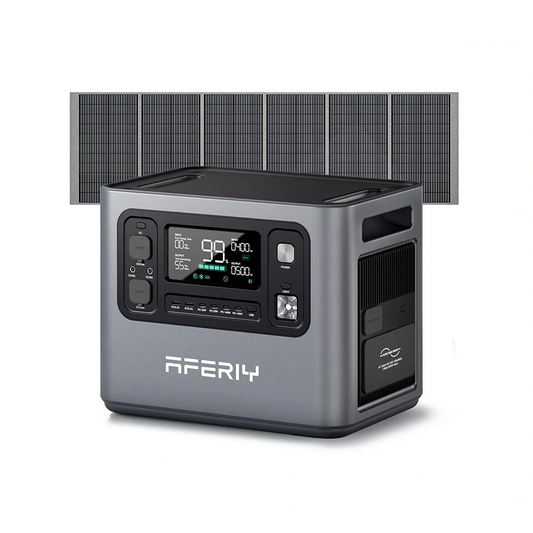
Charging options are also important. Systems that support AC charging, vehicle charging, and solar charging provide more flexibility when electricity is unavailable.
FAQs
What size battery do I need for a 3000W inverter?
The required battery size depends on how much power you use and how long you need the inverter to operate. A 3000W inverter only indicates the maximum output it can provide; it does not determine runtime.
For example, powering refrigerator and small electronics requires much less battery capacity than running high‑power appliances continuously. Users should consider both battery capacity (Wh) and the maximum discharge capability of the battery to ensure the system can handle the expected load.
Is a 3000W inverter better than a 2000W inverter?
A 3000W inverter is not always better. The right choice depends on your actual power requirements.
A 2000W inverter may be enough for basic backup needs, small appliances, and outdoor activities. A 3000W inverter provides more flexibility for users who need to run multiple devices together, larger kitchen appliances, RV equipment, or higher‑power tools.
Choosing a larger inverter than necessary may increase system cost and does not automatically provide longer runtime.
Can I run a 3000W inverter continuously?
A 3000W inverter can provide continuous power within its rated output, but running at maximum capacity for long periods depends on several factors, including battery capacity, cooling, inverter efficiency, and installation conditions.
In real‑world applications, most users do not operate a 3000W inverter at full load continuously. The actual runtime is usually limited by the available battery energy rather than the inverter output itself.
What is the difference between a 3000W inverter and a portable power station?
A traditional 3000W inverter is only one part of a power system. It usually requires a separate battery, charger, wiring, and installation.
A portable power station combines the inverter, battery, charging system, and protection features into a single unit, making it easier to set up and transport. This makes portable power stations a convenient option for users who need backup power without building a complete electrical system.
Can a 3000W inverter work with solar panels?
Yes, but the setup depends on the type of inverter and the overall system design. A standalone inverter cannot directly convert solar energy into usable power without a compatible battery and charge controller.
For off‑grid applications, many users combine solar panels with battery storage to recharge their power system during outdoor trips or extended outages.
Conclusion
A 3000W inverter provides a practical balance between power and flexibility. It can support many everyday needs, including home backup, RV travel, outdoor activities, and remote work.
However, the actual performance depends on appliance requirements, startup power, battery capacity, and how the system is used. Understanding these factors helps users choose a power solution that matches their specific needs.
 Free shipping from US local warehouse