













How Long Can a Lithium‑Ion Battery Last? Battery Life Guide
Lithium‑ion batteries have become an essential part of modern life. They power everything from smartphones and laptops to electric vehicles, solar energy storage systems, and portable power stations used for camping and emergency backup.
But before investing in a battery‑powered device, many people ask the same question: how long can a lithium‑ion battery last?
The answer depends on several factors, including battery chemistry, charging cycles, usage patterns, temperature, and maintenance. A lithium battery does not usually stop working suddenly. Instead, its ability to store energy gradually decreases over time, which means shorter runtime between charges.
For everyday electronics, battery replacement may be needed after several years. However, batteries designed for energy storage, especially LiFePO4 batteries, can provide much longer service life when used and maintained correctly.

How Long Do Lithium‑Ion Batteries Last?
When people ask how long does a lithium‑ion battery last, they usually want to know how many years they can expect before the battery needs to be replaced. The actual lifespan depends on battery chemistry, usage habits, charging frequency, and operating conditions.
In general, lithium‑ion batteries used in consumer electronics, such as smartphones and laptops, typically last around 2 to 5 years with regular use before noticeable battery degradation affects daily performance. For energy storage applications, lifespan is usually measured differently because these systems are designed for repeated charging and discharging over many years. Many LiFePO4‑based energy storage systems can provide reliable performance for several years or more, depending on usage conditions and maintenance.
A lithium‑ion battery does not suddenly stop working when it reaches the end of its lifespan. Instead, it gradually loses capacity, meaning it can store less energy and provide shorter runtime compared with when it was new. Battery lifespan is usually evaluated based on factors such as remaining capacity, cycle life, and real‑world operating conditions rather than complete failure.
The lifespan difference is especially noticeable between everyday electronics and energy storage systems. A smartphone battery may experience frequent daily charging, while a portable power station used for backup power or solar applications is designed to handle repeated cycling over a longer period.
To understand why some lithium‑ion batteries last longer than others, it is important to consider two key measurements: calendar life and cycle life.
Calendar life refers to how long a battery remains usable over time, while cycle life refers to how many charge and discharge cycles it can complete before its capacity decreases significantly.
Understanding Lithium Battery Cycle Life
What Is a Battery Cycle?
A battery cycle represents the total use of 100% of the battery’s capacity, rather than simply charging the battery once.
This does not mean the battery must go from 100% to 0% in a single session. For example, using 40% of a portable power station during a camping trip and another 60% later would count as approximately one complete cycle.
Because of this, how long will a lithium‑ion battery last is closely related to how frequently the battery is charged and discharged. A battery used occasionally for emergency backup may complete only a small number of cycles each year, while a battery used daily for solar storage may experience much more frequent cycling.
How Many Cycles Can a Lithium Battery Last?
The number of cycles a lithium battery can provide depends on its chemistry, depth of discharge, charging habits, and operating conditions.
Traditional lithium‑ion batteries used in many consumer electronics typically provide around 500 to 1,000 charge cycles before noticeable capacity loss occurs. In comparison, LiFePO4 (Lithium Iron Phosphate) batteries commonly used in portable power stations and energy storage systems are designed for much longer cycle life and can often deliver 3,000 to 6,000+ cycles depending on battery design and usage conditions.
Reaching the rated cycle number does not mean the battery stops working immediately. Instead, it means the battery has gradually lost some of its original storage capacity. Manufacturers usually define cycle life based on a remaining capacity level, commonly around 70–80% of the original capacity, depending on the testing standard.
Cycle life is especially important for applications that require frequent charging and discharging, such as portable power stations, solar generators, and backup energy systems. Compared with many traditional lithium‑ion chemistries, LiFePO4 batteries are widely used in these applications because they offer longer cycle life and better thermal stability, making them suitable for users who need reliable energy storage over many years.
What Factors Affect Lithium Battery Lifespan?
Battery chemistry is one of the most important factors affecting how long does the lithium battery last, but battery lifespan is also influenced by how the battery is used. Temperature, charging patterns, depth of discharge, and power demand can all affect how quickly a lithium battery loses capacity over time.
Battery Chemistry
Different lithium battery chemistries are designed for different priorities.
Traditional lithium‑ion batteries, such as NMC (Nickel Manganese Cobalt) batteries, offer high energy density, making them suitable for applications where smaller size and lighter weight are important.
LiFePO4 (Lithium Iron Phosphate) batteries are often used in energy storage applications because they provide longer cycle life, better thermal stability, and more consistent performance over extended use.
This difference is especially important for portable power stations and solar energy systems. A battery used occasionally for lightweight outdoor activities may prioritize portability, while a system designed for home backup or frequent cycling requires stronger long‑term durability.
Temperature and Operating Environment
Temperature has a significant impact on lithium battery aging.
High temperatures can accelerate chemical reactions inside battery cells, increasing the rate of capacity loss over time. On the other hand, low temperatures can reduce battery performance by slowing down ion movement, especially during charging and high‑power operation.
For example, a portable power station regularly used in hot outdoor conditions may experience faster battery degradation than one operated in a moderate environment.
Charging Frequency and Depth of Discharge
How often and how deeply a battery is charged and discharged also affects its lifespan.
Frequent deep discharges place more stress on battery cells compared with shallower discharge cycles. Similarly, frequent high‑current charging and discharging can increase internal stress and accelerate capacity loss over time.
This is why batteries used for daily solar storage or regular backup power may age differently from batteries used only occasionally.
Power Load and Usage Frequency
The type of equipment powered by a battery also affects long‑term performance.
Running low‑power devices such as: Phones, Laptops, LED lights generally creates less demand compared with high‑power appliances such as: Space heaters, Microwaves, Power tools.
For users who frequently rely on portable power, choosing a battery with sufficient capacity and output capability can help ensure the system operates within its designed limits.
Choosing the Right Portable Power Station for Long‑Term Use
When choosing a portable power station for long‑term use, the right option depends on how often you need backup power and how much energy you need to store. A compact model may be enough for short camping trips, while home backup or extended outages usually require a larger battery capacity to power essential devices for longer periods.
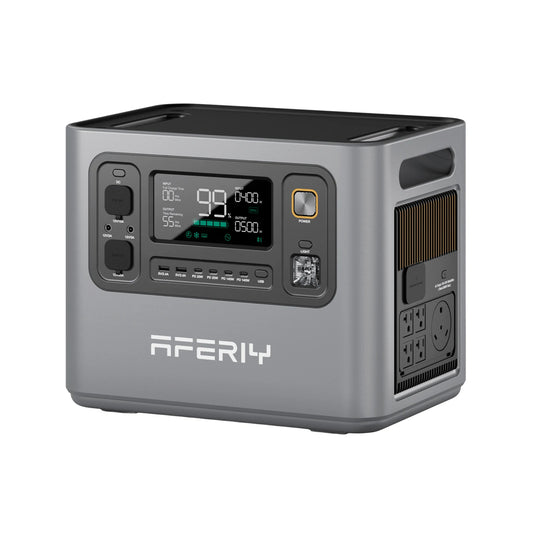
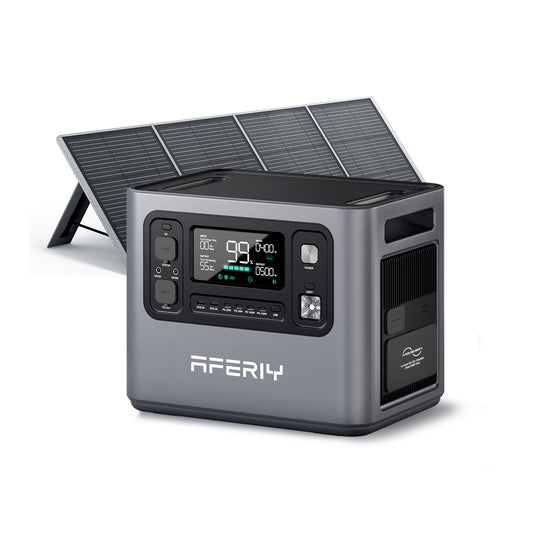
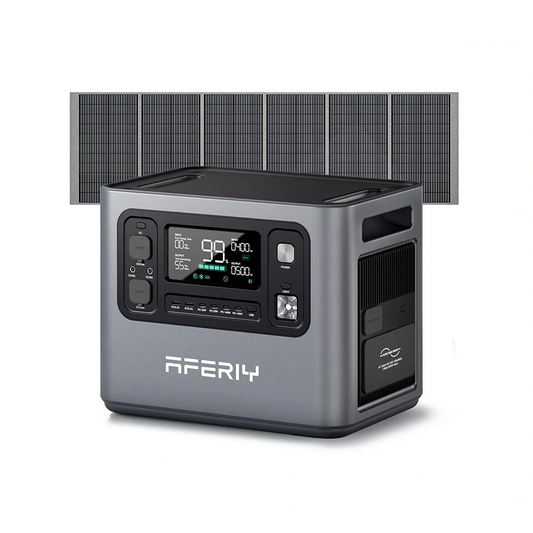
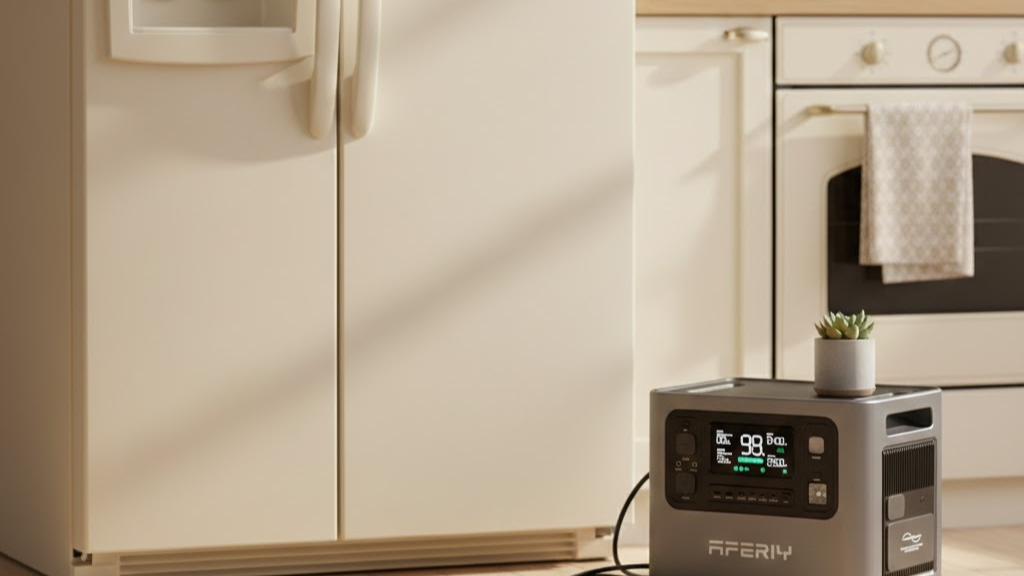
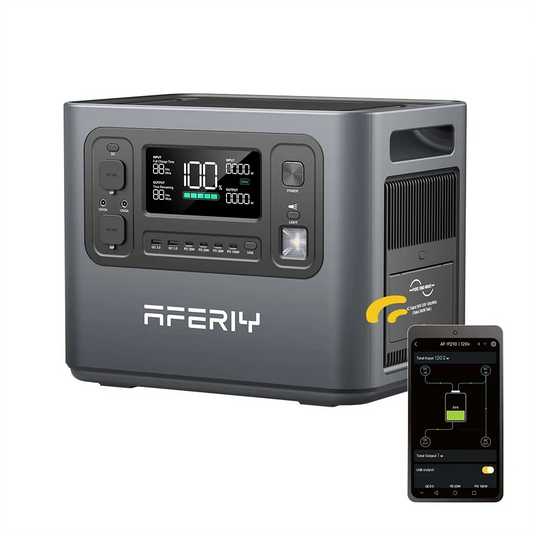
For users who need reliable backup power for emergencies, RV travel, or extended outdoor activities, the AFERIY P280 Portable Power Station provides a balance between capacity and long‑term performance. With a 2048Wh battery capacity, it can store enough energy to support essential devices such as refrigerators, lights, communication equipment, and small appliances while reducing the need for frequent recharging. Its LiFePO4 battery chemistry is designed for repeated charging and discharging, making it suitable for users who need dependable power over many years.

Choosing a portable power station is not only about selecting the largest battery available. The best choice depends on your actual power needs, usage frequency, and whether you prioritize portability or longer backup time.
How to Extend Lithium Battery Life
Although lithium batteries naturally lose capacity over time, proper usage and maintenance can help slow down battery degradation and maintain reliable performance for longer.
Store Batteries Properly
When a lithium battery or portable power station is not used for an extended period, proper storage conditions can help preserve battery performance. Keep the battery in a cool, dry environment and avoid storing it completely empty or at full charge for long periods. Checking the battery level periodically and recharging it when necessary can help prevent excessive capacity loss during storage.
Use Proper Charging Practices
Charging habits also play an important role in extending battery lifespan. Avoid frequently draining the battery to 0% and immediately charging it back to full, as repeated deep discharge cycles can increase stress on battery cells. Using a charger that matches the battery specifications and avoiding charging under extreme temperature conditions can help maintain long‑term battery health.
Rely on Battery Management System (BMS) Protection
A reliable Battery Management System (BMS) helps monitor and protect lithium batteries during daily operation. It can manage conditions such as overcharging, over‑discharging, temperature changes, and cell balancing, helping the battery operate within safer limits and maintain more stable performance over time.
For portable power stations used in camping, RV travel, or emergency backup, following these practices can help maximize usable lifespan and ensure the battery remains reliable when power is needed.
FAQs
1. Do lithium‑ion batteries lose capacity when not in use?
Yes. Lithium‑ion batteries can slowly lose capacity even when they are not being used because of natural chemical reactions inside the cells. However, the degradation rate is much slower than during active use. For long‑term storage, keeping the battery in a cool and dry environment and avoiding leaving it completely empty can help maintain performance.
2. What happens when a lithium battery reaches its rated cycle life?
Reaching the rated cycle life does not mean a lithium battery stops working immediately. Instead, the battery gradually loses storage capacity, whilch means it may provide shorter runtime compared with when it was new. Many manufacturers define cycle life based on reaching a certain remaining capacity level, such as around 70–80% of the original capacity.
3. How can I tell if my lithium battery needs replacement?
Common signs of battery aging include noticeably shorter runtime, reduced available capacity, slower charging performance, and unexpected shutdowns under normal loads. For portable power stations, checking the battery status and comparing current performance with the original specifications can help identify whether capacity loss is normal aging or a potential issue.
Conclusion
The lifespan of a lithium‑ion battery depends on a combination of battery chemistry, cycle life, temperature, charging habits, and usage conditions.
For everyday electronics, battery aging may become noticeable after several years. For portable power stations and solar energy systems, choosing a suitable battery chemistry, maintaining proper charging habits, and protecting the battery from extreme conditions can help ensure reliable performance for many years.
 Free shipping from US local warehouse