











How Many Watts Does a Crockpot Use? Crockpot Wattage Guide
A Crockpot, also known as a slow cooker, is a popular kitchen appliance in many American households because it makes meal preparation simple and convenient. From soups and stews to pulled pork and chili, it allows users to cook meals slowly over several hours with minimal effort.
However, many people have questions about its electricity usage: how many watts does a crock pot use, and is it practical to run one during camping trips, RV travel, or power outages?
Understanding Crockpot wattage is useful because it helps you estimate electricity consumption, choose the right backup power solution, and avoid running out of battery when cooking away from a traditional outlet. To calculate your actual energy needs, you need to consider both the appliance’s wattage and how long it operates.

How Many Watts Does a Crockpot Use?
The wattage of a Crockpot depends mainly on its size, heating element design, and cooking setting. Unlike high‑power kitchen appliances such as electric kettles or air fryers, slow cookers are designed to use relatively low power over several hours.
So, how many watts does a crock pot use? Most Crockpots typically consume between 70 and 450 watts, depending on their capacity and model. Smaller slow cookers designed for individual meals may use less than 100 watts, while larger family‑sized models can require more than 300 watts to heat a larger volume of food.
The table below shows typical Crockpot wattage ranges and estimated energy consumption based on an 8‑hour cooking cycle. Actual electricity usage may vary because slow cookers usually cycle their heating elements on and off after reaching the target temperature rather than running at maximum wattage continuously.
| Crockpot Size | Typical Wattage Range | Estimated Energy Use (8‑Hour Cooking Cycle) | Common Uses |
|---|---|---|---|
| 1.5–2 quart | 70–120W | Around 560–960Wh (0.56–0.96kWh) | Dips, sauces, oatmeal, small portions, meals for 1–2 people |
| 3–4 quart | 120–200W | Around 960–1,600Wh (0.96–1.6kWh) | Soups, side dishes, smaller family meals, meal preparation |
| 5–6 quart | 150–240W | Around 1,200–2,080Wh (1.2–2.08kWh) | Chili, stews, pulled pork, roasts, everyday family cooking |
| 7–8 quart | 250–350W | Around 2,000–2,960Wh (2–2.96kWh) | Large roasts, batch cooking, holiday meals, larger families |
| 10 quart and above | 350–450W+ | Around 2,800–3,600Wh+ (2.8–3.6kWh+) | Party cooking, large gatherings, bulk meal preparation |
For most American households, a 5–6 quart Crockpot is the most common choice because it provides enough capacity for family meals while keeping power consumption relatively moderate. Many 6‑quart models operate in the range of approximately 150–260 watts, with some manufacturer models rated around 210–240 watts maximum output depending on the design and setting.
For example, a 6‑quart slow cooker rated at 200 watts running for 8 hours would theoretically use:
200W × 8 hours = 1,600Wh (1.6kWh)
This does not mean the appliance constantly draws 200 watts throughout the entire cooking process. Once the food reaches the desired temperature, the thermostat may reduce the average power draw by cycling the heating element on and off.
When checking how many watts is a crock pot, the most reliable method is to look at the specification label on the bottom or back of the appliance. The listed wattage represents the maximum power the unit is designed to use, which is especially important when determining whether a portable power station can support it.
How Much Power Does a Crock Pot Use?
Wattage shows the power a Crockpot requires while running, but the total electricity it consumes depends on both wattage and cooking time.
The basic calculation is:
Energy Consumption (Wh) = Wattage × Operating Hours
For example:
A 200W Crockpot running for 6 hours:
200W × 6 hours = 1,200Wh (1.2kWh)
This means the appliance uses about 1.2 kilowatt‑hours of electricity during that cooking period.
However, real‑world usage may vary. A Crockpot does not always draw maximum power continuously. After reaching the desired temperature, the heating element may cycle on and off to maintain heat. The Low setting generally uses less energy than the High setting because it heats food more gradually.
This is why a slow cooker can run for several hours while still consuming relatively little electricity compared with many other kitchen appliances.
Can a Portable Power Station Run a Crockpot?
Yes, a portable power station can run a Crockpot, as long as the unit provides enough continuous AC output and battery capacity. Most slow cookers use relatively low power, usually around 70–400 watts depending on size, but because a Crockpot often runs for several hours, battery capacity is the key factor when choosing a portable power solution.
A 200W Crockpot, for example, requires more than 200W of continuous AC output. However, choosing a power station with additional capacity is important if you also need to run other devices, such as lights, phones, a Wi‑Fi router, or small electronics.
Battery capacity determines how long the Crockpot can operate:
Runtime ≈ Battery Capacity (Wh) × 0.85 ÷ Appliance Wattage. This is an estimate because inverter efficiency, battery condition, and actual Crockpot power cycles can affect real‑world runtime.
For example, a 1,024Wh power station can theoretically run a 200W Crockpot for about 4 hours, while a 2,048Wh power station can provide close to 8 hours of runtime under the same conditions. Actual runtime may vary because Crockpots usually cycle their heating elements on and off after reaching the desired temperature.
Choosing the Right Power Station for Crockpot Cooking
| Cooking Scenario | Recommended Capacity | Suitable Solution |
|---|---|---|
| Small Crockpot, short outdoor meals | 300Wh–600Wh | Lightweight portable power station |
| 4–6‑quart Crockpot, family meals, short outages | Around 1,000Wh | Portable power station with balanced capacity and portability |
| Long cooking sessions, RV trips, or multiple devices | 2,000Wh+ | High‑capacity portable power station |
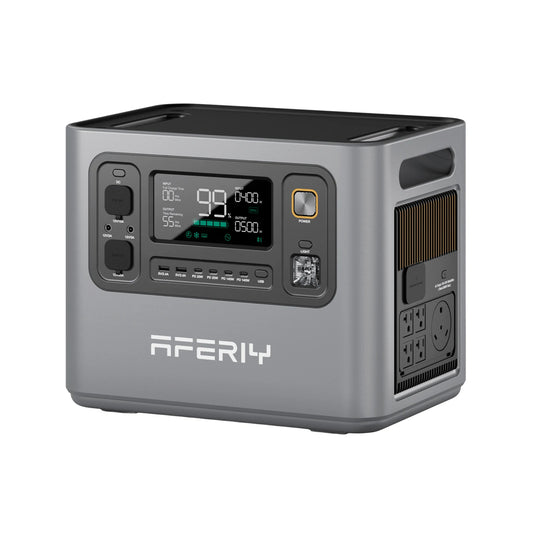
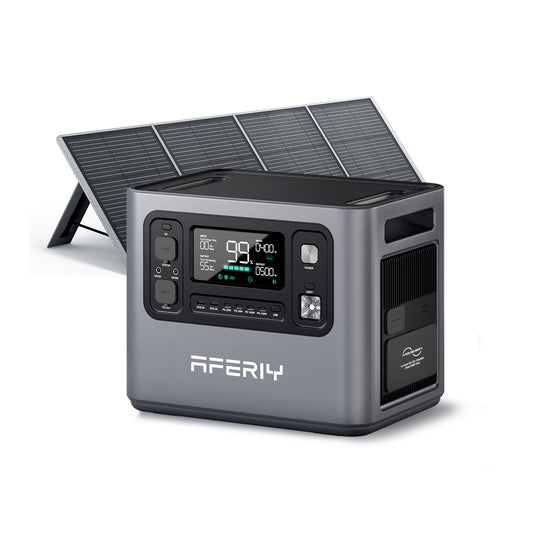
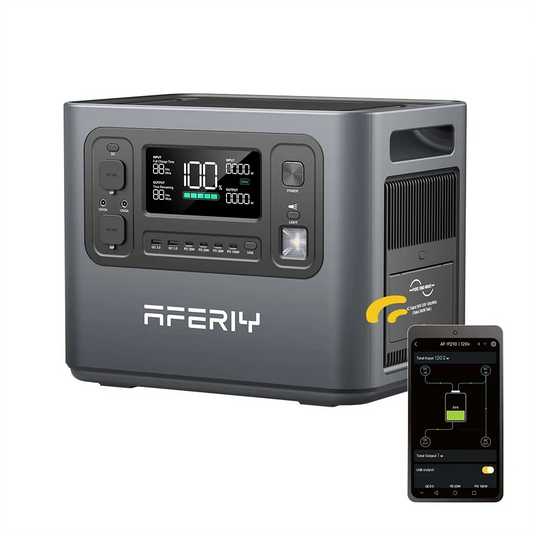
For campers who want to prepare slow‑cooked meals while keeping their setup lightweight, the AFERIY P180 Pro Portable Power Station is a practical choice. With a 1,024Wh battery capacity and 1,800W pure sine wave output, the AFERIY P180 Pro Portable Power Station provides enough power for many small household appliances while maintaining a portable design for camping and short‑term backup use. For example, campers can use it to prepare slow‑cooked meals at a campsite while keeping essential devices charged, such as phones, camping lights, cameras, and other small electronics.

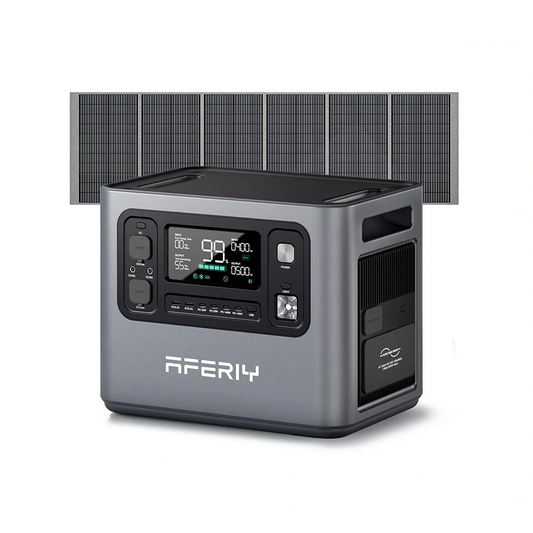
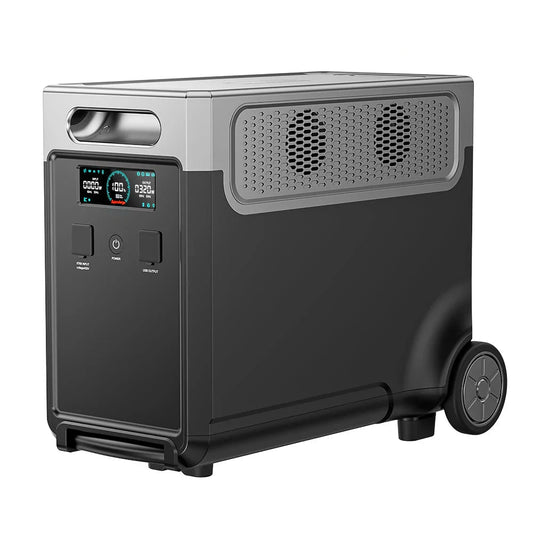
For users who need longer cooking times or want more backup capacity, the AFERIY P280 Portable Power Station is better suited for extended use. With a 2,048Wh battery capacity and 2,800W pure sine wave output, it provides additional energy for long Crockpot recipes, RV cooking, and home backup situations. For example, during a power outage, users can prepare meals with a slow cooker while still keeping essential devices running, such as lighting, communication equipment, and small appliances. The AFERIY P280 Portable Power Station also supports expandable capacity up to 10,240Wh, making it a better option for users who need longer backup time or want to power multiple devices during extended outages and RV trips.

When selecting a portable power station for a Crockpot, focus on more than just wattage. Battery capacity, inverter quality, charging options, and expandability determine whether the system can support your cooking needs during camping, emergencies, or off‑grid situations.
Tips to Reduce Crockpot Energy Use
Although Crockpots already use relatively low power, a few habits can help improve efficiency.
Choose the Right Size
Using a large Crockpot for a small amount of food can waste energy because the appliance needs to heat a larger cooking chamber.
Choose a size that matches your typical meal portions.
Avoid Opening the Lid Frequently
Each time the lid is opened, heat escapes and the Crockpot needs additional time to return to the cooking temperature.
Keeping the lid closed helps maintain consistent cooking conditions.
Prepare Ingredients Before Cooking
Preparing ingredients in advance can reduce unnecessary cooking delays and make the process more efficient.
Use the Low Setting for Long Recipes
The Low setting is designed for longer cooking periods and is commonly used for recipes that require several hours. It can provide steady heating while keeping power consumption lower than running continuously on High.
FAQs About Crockpot Wattage
How many watts does a 6‑quart Crockpot use?
A typical 6‑quart Crockpot generally uses around 150–240 watts, depending on the model and cooking setting., depending on the model and selected cooking setting. Always check the appliance label for the exact rating.
How many watts is a slow cooker?
Most slow cookers use approximately 70–450 watts, depending on their size, design, and cooking settings., depending on size and design. Smaller models require less power, while larger family‑sized units may need more.
Can a 500Wh power station run a Crockpot?
A 500Wh power station may run a small Crockpot for a limited time, but runtime depends on the slow cooker’s wattage and cooking duration. For example, a 200W Crockpot could theoretically run for about 2 hours under ideal conditions.
Can a solar generator power a Crockpot?
Yes. A solar generator can power a Crockpot as long as its AC output is sufficient and the battery capacity meets the required cooking time. Solar charging can also help extend usage during longer outdoor trips.
Conclusion
Crockpots are relatively low‑power kitchen appliances, with most household models using roughly 70–450 watts depending on size, design, and settings. While they run for several hours, their low wattage makes them easier to support with portable power solutions compared with many other cooking appliances.
When planning to use a Crockpot during camping, RV travel, or power outages, focus on both continuous output power and battery capacity. Understanding how much power does a crock pot use helps you choose a suitable setup and avoid unexpected interruptions during cooking.
 Free shipping from US local warehouse