













How Many Amps Is a Car Battery? Understanding CCA, Ah, and Battery Capacity
When searching for “how many amps is a car battery”, many drivers expect a single number. However, a car battery does not have one fixed amp rating. Unlike a power adapter that provides a specific current, a vehicle battery is measured by several different specifications, including Cold Cranking Amps (CCA), Amp Hours (Ah), and Reserve Capacity (RC).
A typical 12V car battery can deliver hundreds of amps during engine startup, with many passenger vehicle batteries rated around 400–800 CCA. Larger trucks, SUVs, and diesel vehicles may require batteries with higher CCA ratings, sometimes exceeding 1,000 amps. The actual performance depends on the vehicle type, engine size, temperature, and battery condition.
Understanding these ratings helps you choose the right replacement battery, identify starting problems, and avoid using a car battery for applications it was not designed for.

How Many Amps Does a Car Battery Have?
The answer to “how many amperes in car battery” depends on what type of measurement you mean. A car battery does not store amps; instead, it stores electrical energy and releases current when needed.
Cold Cranking Amps (CCA): The Most Important Starting Rating
For most vehicles, Cold Cranking Amps (CCA) is the most important measurement related to battery amps.
CCA describes how much current a fully charged battery can deliver for a short period in cold conditions to start an engine. A higher CCA rating generally means stronger starting ability, especially in colder climates.
Typical CCA ranges include:
| Vehicle Type | Common CCA Range |
|---|---|
| Small cars | 300–500 amps |
| Sedans and SUVs | 500–800 amps |
| Trucks and diesel vehicles | 800–1000+ amps |
For example, a compact car with a smaller engine may operate well with a lower CCA battery, while a heavy-duty truck requires more starting power because the engine needs more energy to turn over.
This is why asking “how many amps is the car battery” does not always have one simple answer. Two batteries may both be labeled as 12V but provide very different starting performance.
Understanding Car Battery Ratings: Amps, Ah, and Reserve Capacity
To understand how many amperes is a car battery, it is important to separate three different measurements.
Amps (A)
Amps measure electrical current flow. In a vehicle, the battery provides a large burst of current when the starter motor turns the engine.
This high-current output usually lasts only a few seconds. After the engine starts, the alternator takes over and recharges the battery while powering the vehicle’s electrical systems.
Amp Hours (Ah)
Amp Hours measure battery capacity — how much current a battery can provide over a certain period.
Most standard car batteries are typically around 40–65Ah, although larger vehicles may use higher-capacity batteries.
For example, a 60Ah battery theoretically could provide:
- 1 amp for 60 hours
- 5 amps for 12 hours
However, this does not mean a starter battery is designed for continuous use. Car batteries are built mainly for short bursts of high power rather than repeated deep discharge.
Reserve Capacity (RC)
Reserve Capacity measures how long a battery can continue supplying power under a constant load before the voltage drops below a specified level.
This rating is useful because modern vehicles contain many electrical systems, including:
- Security systems
- Navigation
- Entertainment systems
- Electronic controls
A higher RC rating means the battery can support essential electrical loads for longer if the alternator stops working.
How Many Amps Does a Car Need to Start?
Many people searching “how many amps on a car battery” are actually trying to understand how much power their vehicle needs during startup.
When starting a vehicle, the starter motor requires a large amount of current for a short time. The exact amount depends on several factors.
Engine Size
Larger engines usually require more starting power.
- Small gasoline engines generally need less current.
- Large SUVs and trucks require stronger batteries.
- Diesel engines often need higher CCA because they require more energy to start.
Temperature
Cold weather can significantly reduce battery performance.
Low temperatures affect batteries in two ways:
- Chemical reactions inside the battery slow down.
- Engine oil becomes thicker, increasing resistance during startup.
This is why drivers in colder areas should pay close attention to CCA ratings. A battery that works well during summer may struggle during freezing temperatures.
Battery Age and Condition
Battery output decreases over time.
As a battery ages:
- Internal resistance increases.
- Charging efficiency decreases.
- Maximum starting current becomes lower.
Common signs of a weak battery include:
- Slow engine cranking
- Clicking sounds when starting
- Dim headlights
- Frequent jump starts
A battery may still show normal voltage but fail to provide enough current under load.
How to Check Your Car Battery Amp Rating
If you want to know the answer to “how many amps is a car battery” for your specific vehicle, the easiest method is checking the battery label.
Most battery labels include:
- Voltage rating
- CCA rating
- Ah capacity
- Reserve Capacity
Remember, a 12V label does not mean the battery has 12 amps. Voltage and current describe different electrical characteristics.
Check the Battery Label
The battery itself usually provides the information needed when replacing it. You can also check your vehicle owner’s manual for the recommended specifications.
When replacing a battery, always match:
- Battery size
- Terminal position
- Required CCA rating
Perform a Battery Test
A voltage test can provide a quick indication of battery condition.
A fully charged 12V battery usually reads around 12.6 volts when the engine is off. However, voltage alone does not show whether the battery can still provide enough starting current.
A load test is more accurate because it simulates the stress of starting an engine and measures whether the battery can maintain sufficient power.
Can a Car Battery Power Devices?
Many drivers consider using their car battery for camping, emergencies, or powering electronics. This often leads to questions about how many amps on a car battery are available for accessories.
A car battery can temporarily power small devices such as:
- Phone chargers
- LED lights
- Small fans
- Vehicle accessories
However, a starter battery is not designed for long-term energy use.
If you frequently run devices while the engine is off, you may:
- Reduce battery lifespan
- Drain the battery completely
- Risk being unable to start your vehicle
For extended power needs, a portable power station is usually a better solution because it is designed for continuous output and repeated charging cycles.
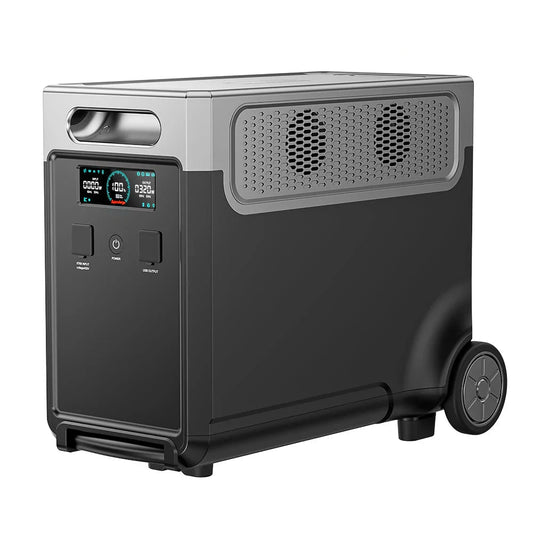
For users who need additional power capacity, the AFERIY P180 Pro Portable Power Station offers 1024Wh capacity and 1800W output. It provides more flexibility for longer outdoor trips, emergency backup situations, and running multiple devices at the same time.

Using a dedicated portable power station allows the vehicle battery to focus on its primary purpose: starting the engine.
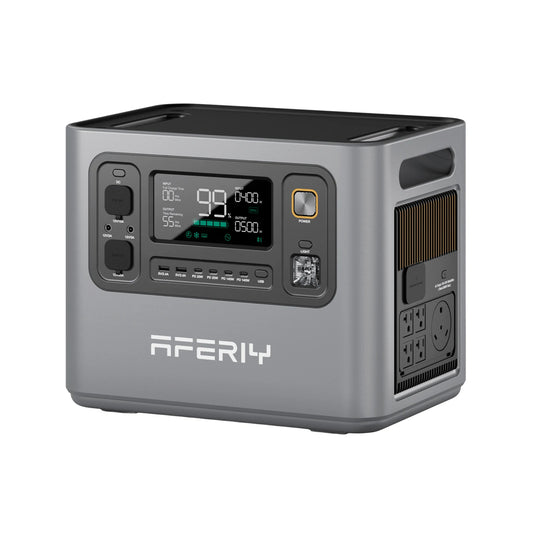
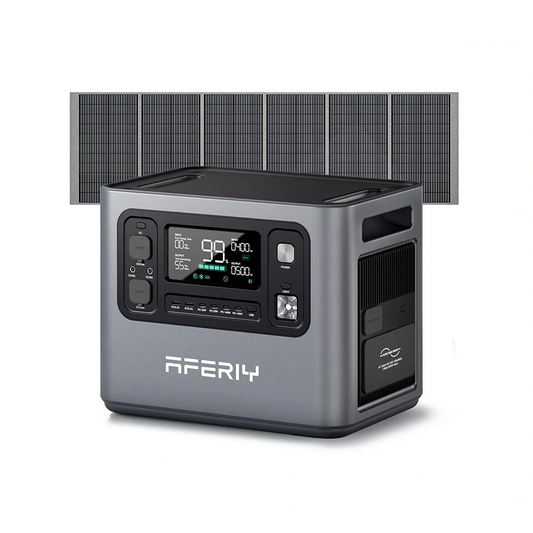
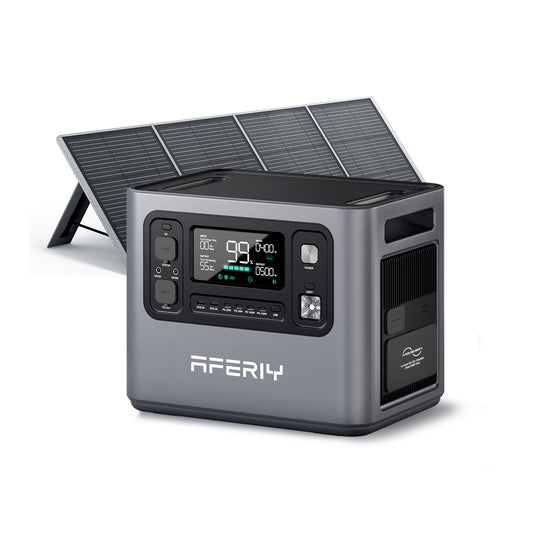
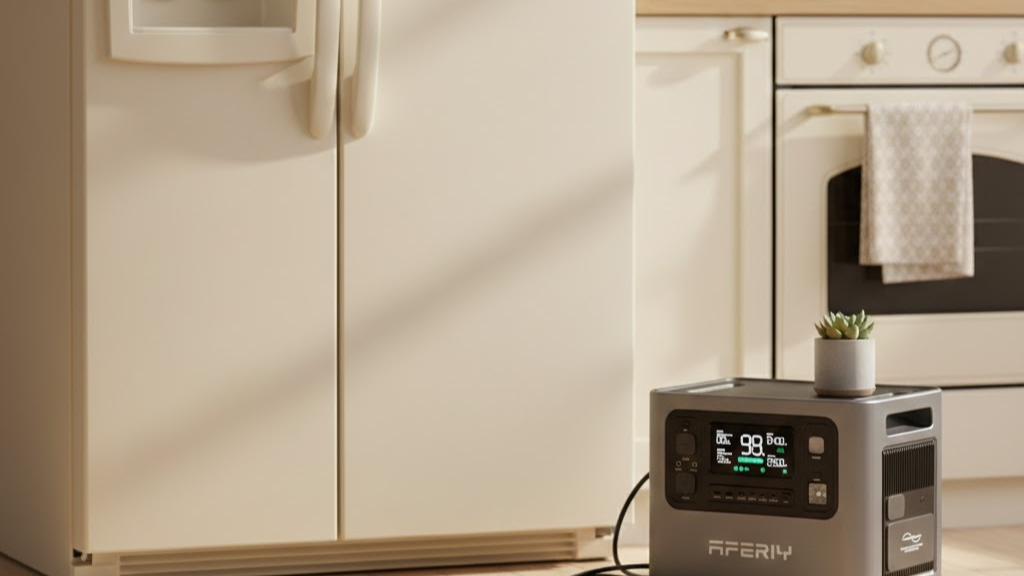
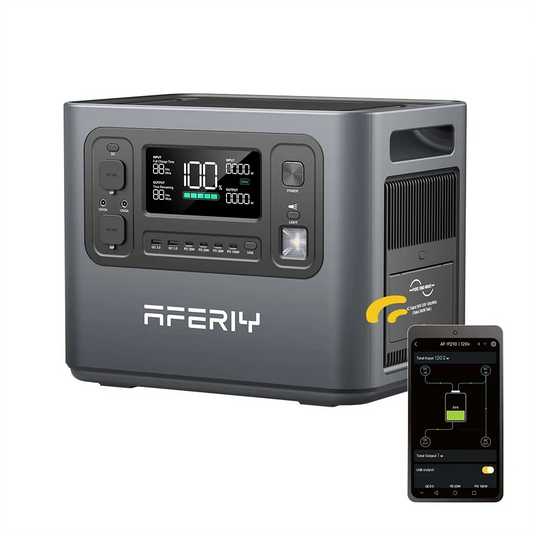
For users who need more than basic charging, the AFERIY P210 Portable Power Station offers 2048Wh of LiFePO₄ battery capacity and 2400W of pure sine wave AC output, making it suitable for powering portable refrigerators, coffee makers, power tools, CPAP machines, laptops, and other high-demand devices during camping trips or roadside emergencies. It also features a 10ms UPS function, supports up to 500W solar charging, and can recharge from AC and solar simultaneously for faster recovery. These features make it a practical choice for users who spend extended periods off-grid or want dependable backup power during outages.

How to Choose the Right Car Battery
Choosing the correct battery is not simply about buying the highest amp rating. The battery should match your vehicle and driving environment.
Choose the Correct CCA Rating
Always follow the manufacturer’s recommended CCA rating.
A battery with insufficient CCA may:
- Struggle in cold weather
- Start the engine slowly
- Fail unexpectedly
A higher CCA battery can provide additional starting power, but it should still match your vehicle requirements.
Consider Battery Size and Fit
Before purchasing a replacement battery, confirm:
- Physical dimensions
- Battery group size
- Terminal placement
A battery with excellent specifications will not work properly if it does not fit your vehicle.
Consider Your Driving Habits
Your usage pattern also affects battery performance.
For example:
- Short trips may prevent the battery from fully recharging.
- Cold climates require stronger starting performance.
- Frequent accessory use may require an additional power source.
FAQs
How many amps is a 12V car battery?
A 12V car battery does not have a fixed amp rating. Most vehicle batteries can provide hundreds of amps during startup, depending on their CCA rating.
Is a higher CCA battery always better?
A higher CCA rating can improve starting performance, especially in cold climates. However, the battery should still meet the vehicle manufacturer’s recommended specifications.
How many amps does a dead car battery have?
There is no specific amp value. A weak battery may still show voltage but may not be able to provide enough current to start the engine.
Can I use a car battery as a power source?
A car battery can power small devices temporarily, but it is not designed for long-term energy storage. A portable power station is usually a better option for camping and emergency power needs.
Conclusion
A car battery does not have one simple amp rating. When people ask “how many amps is a car battery,” they are usually referring to different measurements, including CCA for starting power, Ah for capacity, and RC for backup performance.
Most vehicles require hundreds of amps during startup, but the actual battery performance depends on engine size, climate, and battery condition. Understanding these ratings helps drivers select the right battery, prevent starting problems, and choose more suitable solutions when they need power beyond their vehicle.
 Free shipping from US local warehouse