











Plug-In Solar Panels for Home: What to Know Before You Buy
Solar power isn’t limited to large rooftop systems. Plug-in solar panels offer a smaller way to generate electricity at home, making them an option for renters, apartment residents, and homeowners with limited space.
But how useful are they in everyday life? This guide looks at what plug-in solar panels can power, how much electricity they can generate, what they cost, and what to check before using them at home.

What Can Plug-In Solar Panels Power at Home?
Plug-in solar panels can support many everyday household devices, but the actual devices you can run depend on their power requirements and the system’s output.
| Household Device | Typical Power Use | Suitability for Plug-In Solar |
|---|---|---|
| Wi-Fi router | 5–20W | Very suitable |
| LED lights | 10–60W | Very suitable |
| Phone charger | 3–30W | Very suitable |
| TV | 50–200W | Suitable |
| Computer | 30–70W | Suitable |
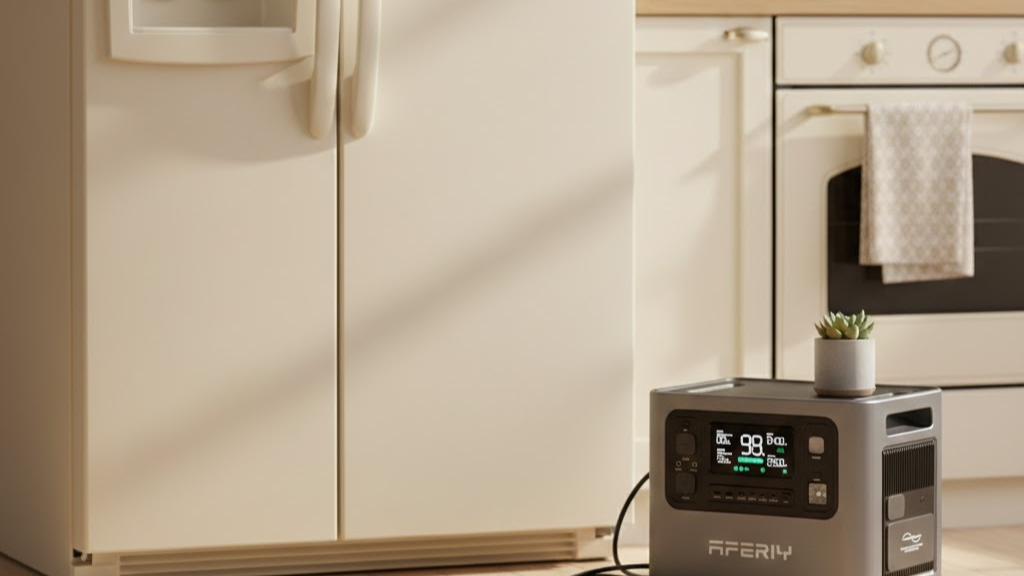
| Refrigerator | 100–250W running | Suitable, but check startup power |
| Microwave | 600–1,000W | Depends on system output |
| Window AC | 500–1,400W | Depends on system output |
| Washing machine | 400–1,400W | Depends on system output |
| Space heater | Around 1,500W | Often demanding for small systems |
| Oven or electric stove | 2,000–5,000W | Generally too demanding |
| Clothes dryer | 1,500–5,000W | Generally too demanding |
| Central AC | Around 3,000–4,000W | Generally too demanding |
For lower-power devices such as Wi-Fi routers, lights, TVs, and computers, even a relatively small system can offset a meaningful share of their daytime electricity use. A refrigerator is also a practical load, although its startup demand needs to be considered.
Higher-power appliances are more challenging. Microwaves, window air conditioners, and washing machines may be supported by a higher-output system, while electric ovens, clothes dryers, and central AC can require more power than a typical plug-in solar system can provide.
If you are choosing a system for specific appliances, compare the system’s usable output with the running and startup power of those devices rather than looking only at the panel’s wattage.
How Much Electricity Can Plug-In Solar Panels Generate?
Most plug-in solar systems produce around 400–800 watts (W) of rated power. An 800W system can generate roughly 70–110 kWh of electricity per month under favorable conditions, although actual production varies by location and weather.
The wattage on a solar panel represents its rated output under specific test conditions, not the amount of electricity it will produce continuously. Actual generation depends mainly on how much usable sunlight the panels receive. Shading, panel orientation, weather, seasonal daylight hours, and inverter performance can all affect the final output.
For example, an 800W system in a sunny, unobstructed location can produce considerably more useful electricity than the same system installed where trees or buildings block the sun for several hours each day. This is why panel placement can be just as important as rated wattage.
When comparing systems, look at both the rated panel output and expected energy production. The first tells you how much power the system can produce at a given moment, while the second gives you a better idea of how much electricity it can generate over a day or month.
How Much Do Plug-In Solar Panels Cost and Save?
A typical plug-in solar system costs about $500–$1,500, with some setups ranging from around $400 to $2,000. The price varies with system size, equipment, and whether a battery is included.
An 800W system can save roughly $13–$50 per month, or about $150–$600 per year, depending on how much electricity it produces and the local utility rate.
Your actual savings will also depend on when you use electricity. If you use more power during the day, more of the solar energy can be consumed directly in the home. Higher electricity rates can also make the same amount of solar generation worth more.
For the total cost, remember to account for any electrical work, equipment upgrades, or battery storage that may be needed. These costs can make a noticeable difference when comparing the upfront price with the electricity savings.
What Should You Check Before Buying Plug-In Solar Panels?
Start with the installation location. Look at how much direct sunlight the area receives and whether nearby buildings, trees, railings, or other structures create shade. A panel’s rated wattage is less useful if the installation site receives limited sunlight.
Next, compare the panel and inverter specifications. Two systems with similar panel wattage may have different AC output limits, connection methods, and operating requirements. Make sure the equipment is designed for the electrical environment where you intend to use it.
Certification is another important consideration. Solar United Neighbors recommends using systems certified by UL or another nationally recognized testing laboratory where required. UL Solutions released UL 3700 in December 2025 as a certification framework specifically covering interactive plug-in photovoltaic equipment and systems.
You should also check the requirements that apply to your property before buying. Depending on where you live, you may need to notify your utility, use a compatible electric meter, follow local electrical or building codes, or obtain permission from a landlord. Condo associations and HOAs may have additional rules concerning exterior equipment.
Finally, consider what happens to solar electricity when your home is using very little power. Without storage, the system is primarily useful while it is generating electricity. If you want to use solar energy later in the evening or during an outage, you need a compatible battery-based setup.
Are Plug-In Solar Panels Legal in the U.S.?
There is no single nationwide rule that makes every plug-in solar panel installation legal under the same conditions. Requirements vary by state, utility, system size, equipment, and installation method.
As of September 2026, nine states have enacted legislation specifically addressing plug-in solar: Utah, Maine, Virginia, Colorado, Maryland, Vermont, New Hampshire, Connecticut, and New Jersey. However, the effective dates and requirements differ. For example, Colorado’s law covers systems up to 1,920W, while several other states use a 1,200W limit. Connecticut’s legislation takes effect October 1, 2026, while Colorado, Virginia, and New Hampshire have provisions taking effect in 2027.
The rules can also determine whether utility notification is required, whether certain systems need professional electrical work, what certification the equipment must have, and whether renters can install a system without modifying building wiring.
For that reason, a product being sold online does not automatically mean it can be connected to any household outlet. Before installation, check your state’s current requirements, your utility’s rules, applicable electrical codes, and any landlord, condo, or HOA requirements.
Can Plug-In Solar Panels Work During a Power Outage?
Usually, not by themselves.
Grid-connected plug-in solar panels are designed to shut down when the utility grid goes offline. This anti-islanding function prevents the system from continuing to send electricity onto utility lines during an outage, protecting utility workers and the electrical system. Solar United Neighbors notes that the system’s inverter automatically stops producing power when a grid outage is detected.
As a result, seeing sunlight on your panels during a blackout does not mean your home will continue receiving electricity from them.
If outage protection is the priority, solar generation needs to be paired with appropriate energy storage and backup equipment. The battery stores electricity while solar production is available and can then supply selected loads later.
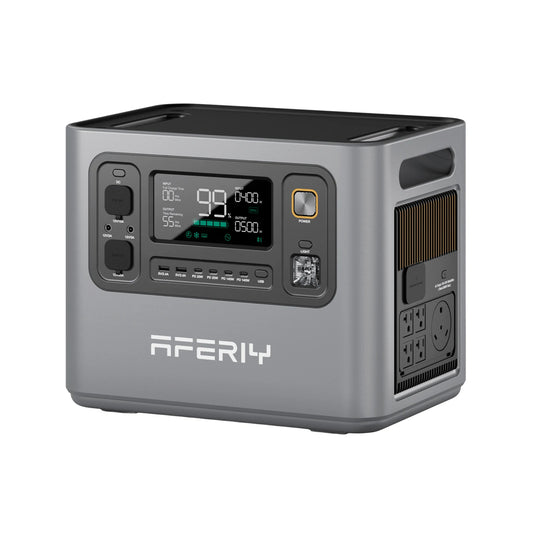
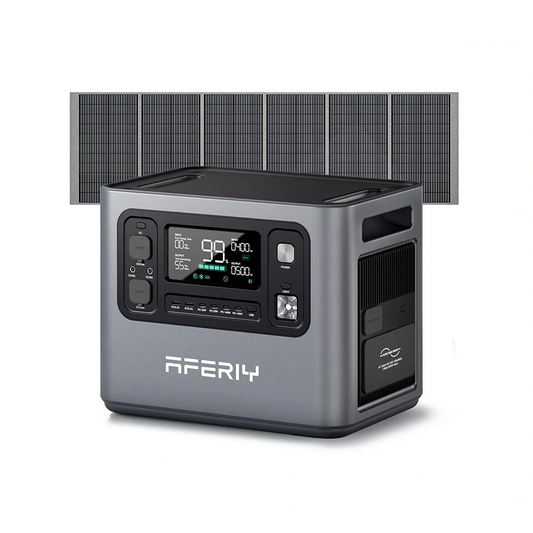
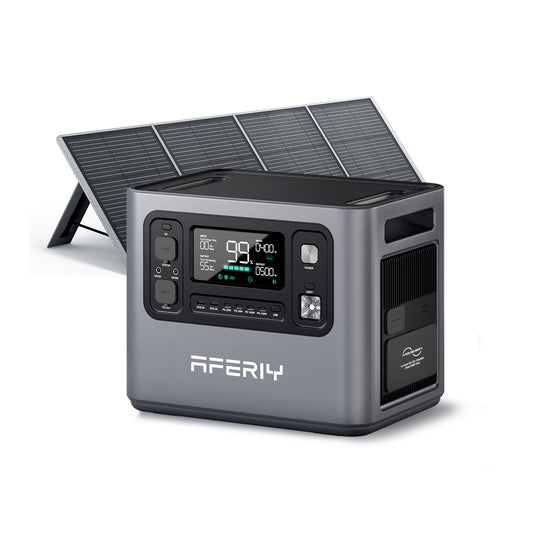
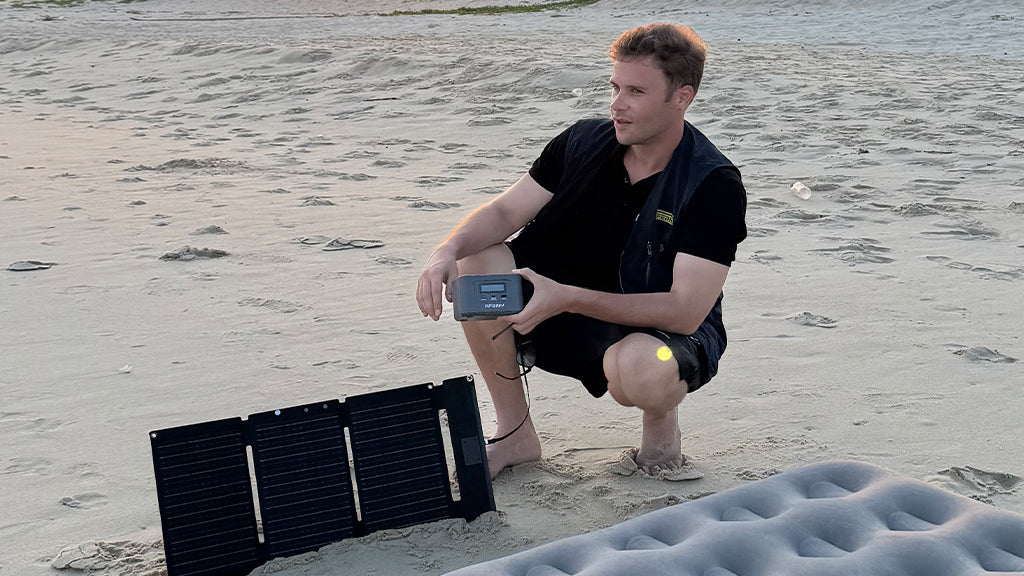
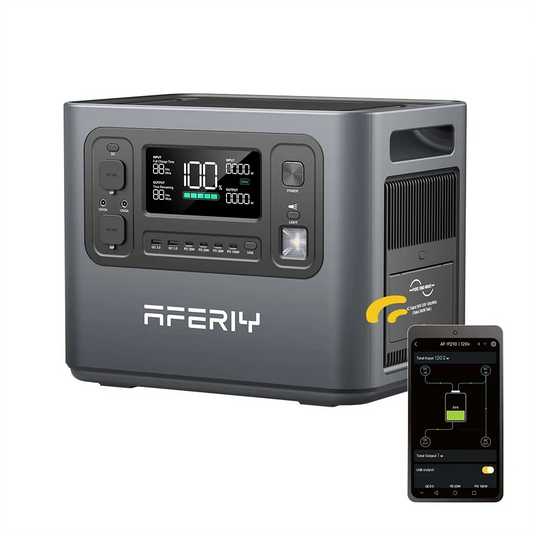
This is where a portable power station can serve a different role from plug-in solar panels. For example, an AFERIY P300 Portable Power Station provides 2,048Wh of battery capacity and supports up to 1,200W of solar input. In a compatible setup, the panels can provide generation while the power station handles energy storage for later use. The important distinction is that the panels generate electricity, while the battery stores it.

Plug-In Solar Panels vs. Traditional Rooftop Solar
Plug-in solar panels and traditional rooftop solar use the same basic solar technology, but they are designed for different levels of electricity generation and different home situations.
| Feature | Plug-In Solar Panels | Traditional Rooftop Solar |
|---|---|---|
| System size | Smaller | Larger |
| Roof required | No | Usually |
| Installation | Simpler | More involved |
| Electricity production | Lower | Higher |
| Portability | Higher | Low |
| Suitable for renters | Often more practical | Usually difficult |
| Household coverage | Partial | Greater |
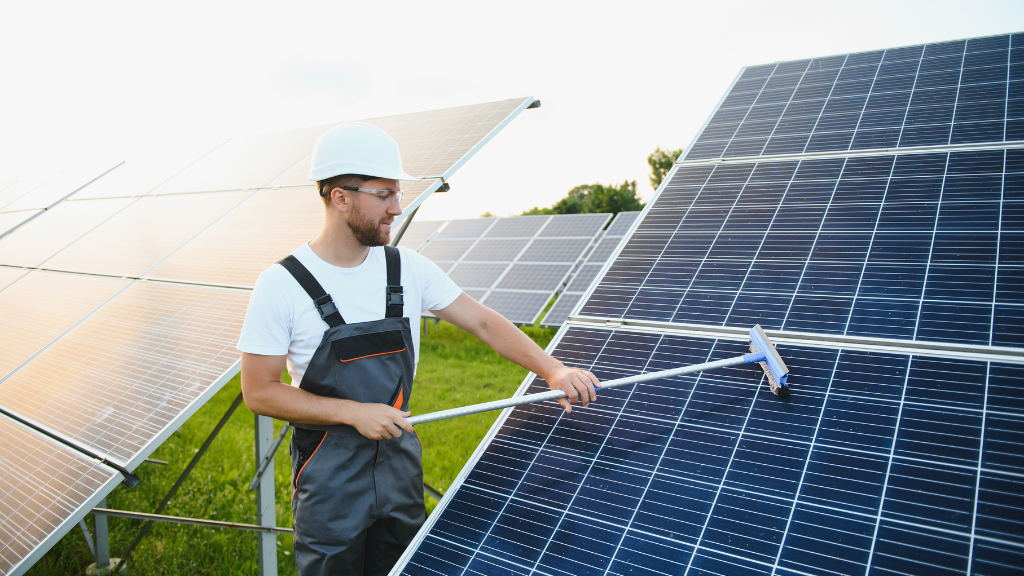
A plug-in system can be installed on a balcony, deck, patio, or suitable area in a yard, making it useful when a rooftop system isn’t practical. Its smaller size also means less space and equipment are required.
Traditional rooftop solar can accommodate a much larger number of panels and generate substantially more electricity. It is therefore better suited to homeowners who want solar to cover a larger share of their household consumption.
The choice largely comes down to available space, living situation, and how much electricity you want to generate. Plug-in solar offers a smaller and more flexible setup, while rooftop solar is designed for much greater household energy production.
FAQs
Can plug in solar panels for home use reduce my electric bill?
Yes. They can reduce the amount of electricity purchased from the grid while the panels are generating power. The actual savings depend on system output, sunlight, household electricity use, and local electricity rates.
Can plug-in solar panels power a refrigerator?
They can contribute to the electricity used by a refrigerator while the system is producing power. However, they should not automatically be treated as refrigerator backup during a blackout. A suitable battery-based backup system is needed for that purpose.
Do plug-in solar panels need a battery?
No. A basic system can generate electricity without storage. A battery becomes useful when you want to save excess solar energy for later use, such as in the evening or during a power outage.
Can renters use plug-in solar panels?
In some states, yes, but the requirements vary. Renters should check state law, utility requirements, lease terms, and landlord or building rules before installing equipment. Some state laws specifically address renter access to small plug-in systems.
Conclusion
Plug-in solar panels can provide a smaller-scale way to offset household electricity use without installing a conventional rooftop array. Their practical value depends on sunlight, system output, electricity rates, local requirements, and how much electricity the household uses during the day. For households that also need power after sunset or during an outage, battery storage provides a separate function by storing solar energy for later use.
 Free shipping from US local warehouse