












6 Common Uses of Solar Energy in Everyday Life
Solar energy comes from the sun and can be converted into electricity or heat for a wide range of everyday applications. From powering homes and outdoor lights to heating water and supporting agricultural operations, solar technology is used in both small devices and large energy systems. Understanding these common uses of solar energy helps explain where it works best, how it meets different energy needs, and why its role continues to expand.

How Is Solar Energy Used in Daily Life?
Solar energy is used in daily life in two main ways: photovoltaic (PV) systems convert sunlight into electricity, while solar-thermal systems capture the sun's heat directly. Electricity generated by solar panels can power household appliances, lighting, electronics, and equipment in remote locations. Solar-thermal technology, meanwhile, can heat water, swimming pools, and indoor spaces. The most suitable application depends on the amount of sunlight available, the energy required, and whether electricity or heat is needed.
Solar Lighting and Outdoor Lights
Solar lighting is one of the most familiar uses of solar energy. Solar streetlights, garden lights, pathway lights, and outdoor security lights use photovoltaic cells to convert sunlight into electricity. Many systems store energy in rechargeable batteries during the day and use it to power their lights after sunset.
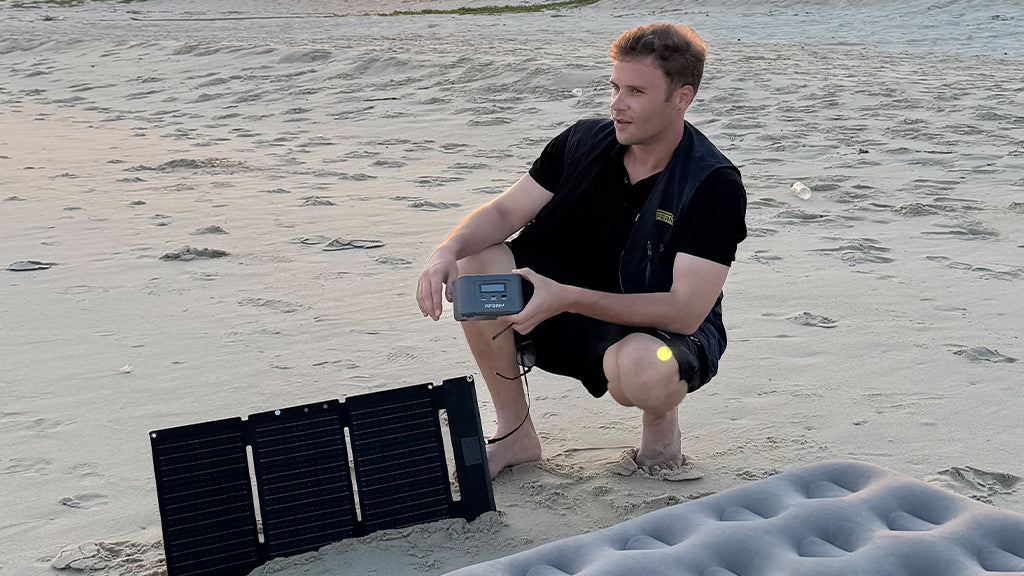
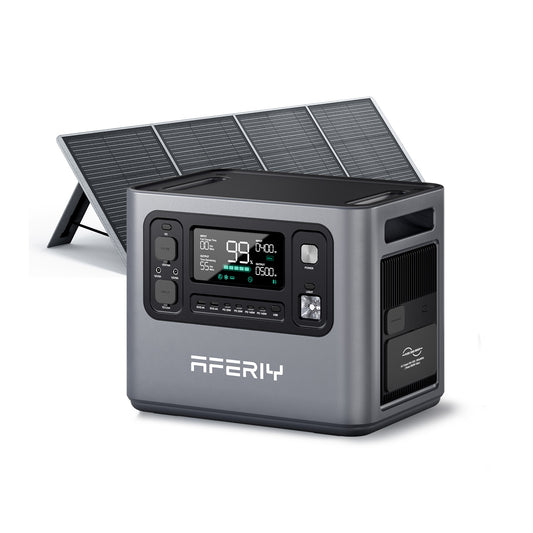
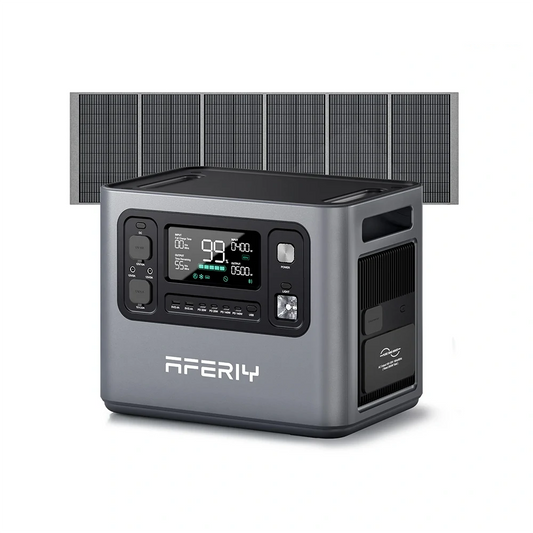
Solar panels can also be used to recharge compatible power stations for outdoor lighting and other electrical needs. For users who need a portable solar charging option, the AFERIY AF-S400A1 400W Portable Solar Panel features a foldable design and an adjustable kickstand for positioning toward the sun. When paired with a compatible power station, it can help collect solar energy for later use.

Actual charging performance depends on sunlight intensity, weather, panel positioning, and the connected system's input limits. Solar lighting and portable solar charging are different applications, but both demonstrate how sunlight can provide energy for outdoor use.
Solar-Powered Devices and Electronics
Solar energy can power a variety of small electronic devices. Solar-powered calculators and watches use built-in solar cells, while some outdoor electronics and portable charging systems use separate solar panels to collect energy. Larger portable solar panels can also recharge compatible power stations, which then supply electricity to phones, laptops, speakers, and other devices.
These applications differ in how they store and deliver energy. A small device may operate directly from an integrated solar cell, whereas a portable charging setup generally needs suitable charging equipment and, when power is required after sunset, a battery. The amount of energy available depends on panel output, sunlight intensity, and the connected device's power requirements.
Solar Water Heating and Pool Heating
Solar water heating systems use collectors to absorb the sun's heat and transfer it to water or another heat-transfer fluid. The heated water can be used in homes, hotels, and other buildings, while solar pool-heating systems circulate pool water through solar collectors before returning it to the pool.
Unlike conventional photovoltaic panels, which generate electricity, solar thermal collectors are designed primarily to capture heat. They can reduce the need for conventional water or pool heating, although the amount of heat available depends on sunlight, system design, and seasonal conditions.
Residential Solar Power for Homes
Residential solar panels are commonly installed on rooftops to generate electricity for everyday household needs. The electricity can power lighting, refrigerators, televisions, computers, and other appliances, reducing the amount of electricity a household needs to obtain from the grid.
A grid-connected solar system can supply power to a home while remaining connected to the local electricity network. Adding a compatible battery allows some of the electricity generated during the day to be stored for later use, including periods when solar panels produce little or no electricity. Actual savings and backup capabilities depend on the system configuration, household consumption, and local utility arrangements.
Portable Solar Power for Camping and Travel
Portable solar power is useful for camping, RV trips, and other outdoor activities where access to an electrical outlet may be limited. Portable solar panels can collect sunlight and recharge compatible power stations, providing electricity for lights, phones, laptops, and selected appliances.
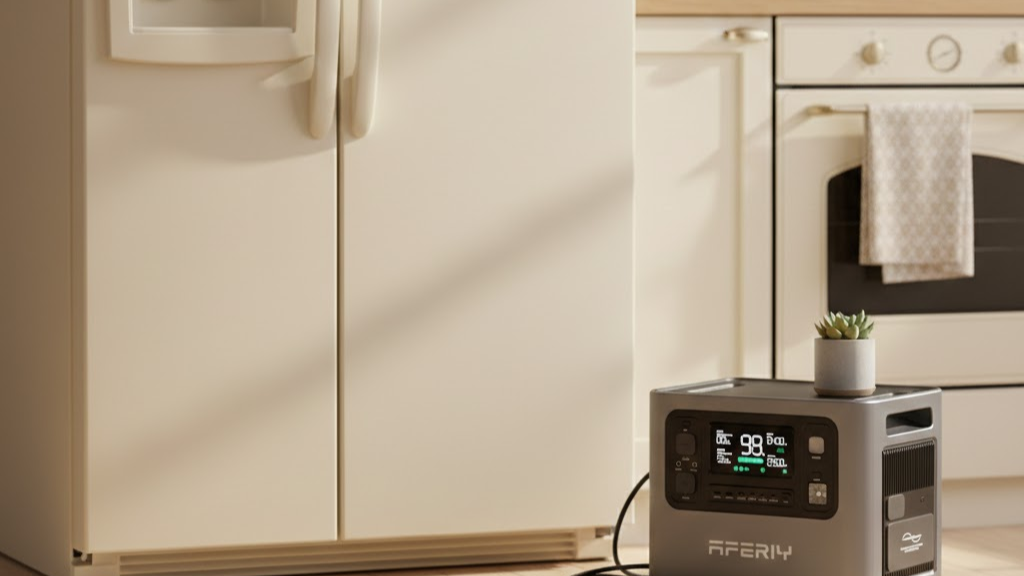
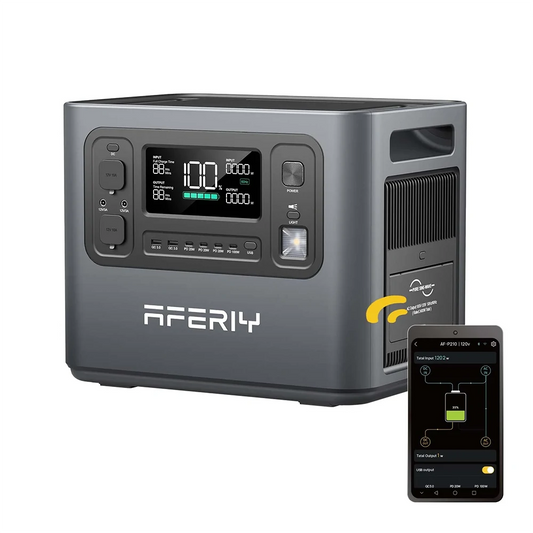
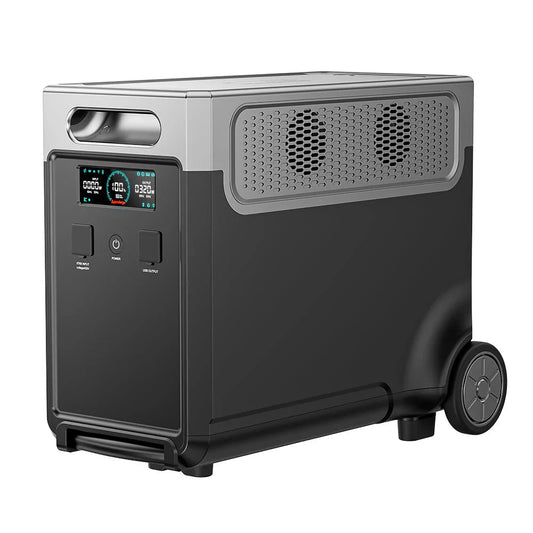
For longer trips, a portable power station can store energy generated during the day for use in the evening. The AFERIY Haven3000 P300 Portable Power Station offers 2,048Wh of battery capacity and 3,000W of rated output. Its capacity can be expanded to 10,240Wh with compatible expansion batteries, making it an option for campers and RV users with higher energy demands.

Before choosing a setup, estimate your daily electricity consumption and check the power requirements of your devices. Actual solar charging performance depends on sunlight, panel positioning, and weather conditions.
Solar Energy in Transportation
Solar technology is also used in transportation, although its role varies by vehicle and application. Solar panels can supply electricity to onboard electronics and auxiliary systems, while solar-assisted charging can contribute energy to some electric vehicle systems. Solar-powered charging facilities and infrastructure can also support transportation networks.
Vehicles powered entirely by sunlight remain less common than conventional electric vehicles that charge from the grid or other electricity sources. The energy a vehicle-mounted panel can produce is limited by the available surface area, sunlight exposure, and conversion efficiency. For this reason, solar technology is generally better understood as a supplementary energy source for many transportation applications rather than a universal replacement for conventional charging.
Where Else Is Solar Energy Used?
Beyond everyday household and outdoor applications, solar energy is also used in commercial buildings, industrial facilities, agriculture, and large-scale power generation. These applications show how solar technology can meet electricity and heating needs across different sectors, from running equipment on a farm to supplying electricity to the power grid.
Commercial and Industrial Facilities
Commercial buildings, warehouses, factories, and other industrial facilities can install rooftop or ground-mounted solar panels to generate electricity for lighting, ventilation, refrigeration, machinery, and other operations. Businesses that use electricity during daylight hours may be able to consume some of the solar power as it is generated.
Some industrial processes also require heat, which can be supplied by suitable solar-thermal technologies. The best solution depends on the facility's energy demand, available installation space, operating schedule, and local solar conditions.
Agriculture and Irrigation
Farms can use solar energy to operate irrigation pumps, supply electricity to remote agricultural buildings, and support greenhouse equipment. Solar-powered water pumps can be particularly useful in locations where grid electricity is difficult to access, provided the system is designed to meet water demand and available sunlight.
Some agricultural projects also combine solar electricity generation with crop production, an approach known as agrivoltaics. The layout must account for crop sunlight requirements, panel spacing, and farming activities to make both uses practical.
Utility-Scale Solar Farms
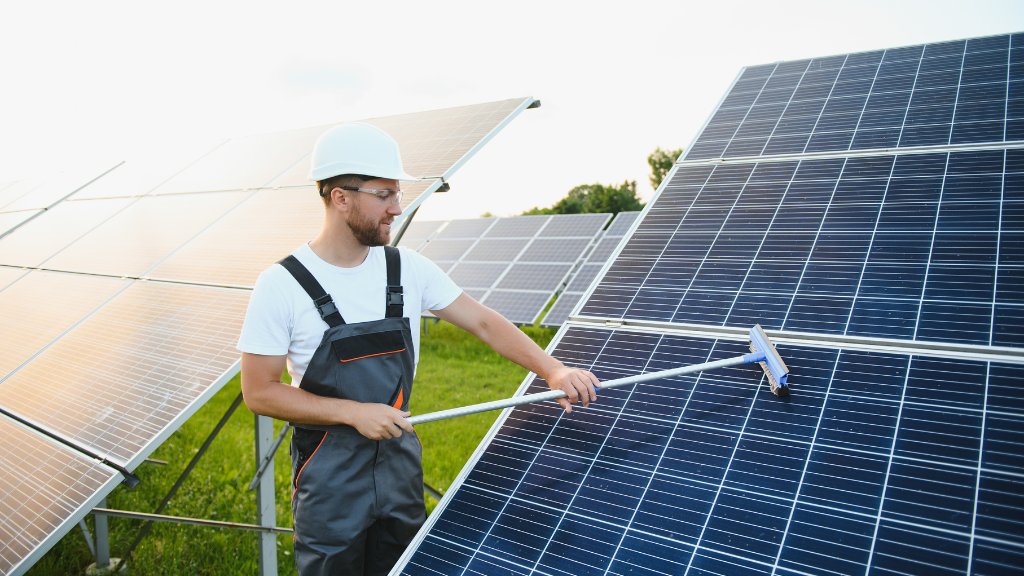
Utility-scale solar farms use large arrays of photovoltaic panels to generate electricity for the power grid. Unlike rooftop systems designed mainly for individual properties, these installations supply electricity to a wider network serving homes, businesses, and public facilities.
Their electricity output varies with sunlight and weather. Grid operators therefore balance solar generation with demand and other energy sources, while battery storage can help make some solar-generated electricity available at different times.
Other Uses of Solar Energy Beyond Electricity
Not all solar technologies are designed to generate electricity. Solar-thermal systems capture sunlight as heat, which can be used for water heating, building heating, cooking, and food drying. These applications are different from photovoltaic systems and are selected according to the type and amount of heat required.
Solar Cooking and Food Drying
Solar cookers use sunlight to heat food, while solar dryers use heat and airflow to remove moisture from fruits, vegetables, and other products. These methods can be useful in sunny locations where conventional fuel or electricity is limited.
Performance depends on sunlight, equipment design, temperature control, and the type of food being prepared or dried. Solar cooking and drying are therefore practical options for specific conditions rather than universal replacements for conventional cooking and food-processing equipment.
What Are the Limitations of Solar Energy?
Solar energy depends on available sunlight, so photovoltaic systems generally produce less electricity at night and may generate less power during cloudy weather or periods of shading. Solar-thermal systems also depend on sunlight and may not meet all heating needs throughout the year.
Installation costs, available roof or land space, system efficiency, and maintenance requirements can affect whether solar technology is suitable for a particular application. Battery storage can make some solar-generated electricity available later, but it adds cost and does not eliminate the need to plan for extended periods of low solar generation.
Understanding these limitations helps households, businesses, and outdoor users choose a system that matches their actual energy requirements.
Conclusion
Solar energy has a wide range of applications, from powering everyday devices and homes to supporting agriculture, industrial operations, and large-scale electricity generation. Photovoltaic systems generate electricity, while solar-thermal technologies capture heat for other uses. The most suitable application depends on sunlight, energy demand, available space, and whether storage is needed. Understanding these uses helps explain how solar energy can serve different needs in everyday life and beyond.
 Free shipping from US local warehouse


4 comments