











What Can a 6500-Watt Generator Run?
A 6,500-watt generator can provide enough power for many essential household appliances, tools, and outdoor equipment. Depending on the appliances' running and starting wattage, it can run multiple devices at the same time during a power outage or on a job site.
But how much can a 6,500-watt generator actually handle? Can it run a refrigerator, air conditioner, microwave, or other high-wattage appliances at the same time? And how long can it run before refueling?
This guide explains what a 6,500-watt generator can run, how to calculate its amp output, how running watts and starting watts affect its capacity, how long it may run..
What Can a 6500-Watt Generator Run?
A 6,500-watt generator can power a wide range of household appliances, job-site tools, RV equipment, and off-grid essentials. The exact combination depends on each device's running and starting wattage. Appliances with motors, such as refrigerators, air conditioners, pumps, and power tools, can require significantly more power when starting.
Household Appliances
For home backup, a 6,500-watt generator can support multiple essential appliances, although high-wattage appliances may need to be used separately.
| Appliance | Running Watts | Starting Watts |
|---|---|---|
| Refrigerator | 150–400W | 800–1,200W |
| Freezer | 100–500W | 500–1,000W |
| Window AC, 5,000 BTU | 450–600W | 900–1,200W |
| Window AC, 10,000 BTU | 900–1,200W | 1,800–2,400W |
| Central AC, 2 ton | 2,000–2,500W | 3,500–4,500W |
| Furnace Fan, 1/2 HP | 300–800W | 800–1,600W |
| Sump Pump, 1/3 HP | 500–800W | 1,000–1,600W |
| Sump Pump, 1/2 HP | 800–1,050W | 1,300–2,150W |
| Well Pump, 1/2 HP | 750–1,000W | 1,500–2,000W |
| Washing Machine | 500–1,000W | 1,000–2,300W |
| Dishwasher | 1,200–2,400W | — |
| Microwave | 600–1,200W | — |
| Electric Range, 1 Burner | 1,200–2,400W | — |
| Electric Water Heater | 3,000–4,500W | — |
| Space Heater | 750–1,500W | — |
| TV | 80–400W | — |
| LED Light | 8–15W/bulb | — |
| Router/Modem | 10–20W | — |
A central AC system or electric water heater can consume a large portion of a 6,500-watt generator's capacity, so they may need to be managed separately from other heavy loads.
Job Site Tools
A 6,500-watt generator can handle many common construction and workshop tools. However, tools with large startup surges should generally not be started simultaneously.
| Tool | Running Watts | Starting Watts |
|---|---|---|
| Circular Saw, 7-1/4" | 1,200–1,800W | 2,400–3,600W |
| Table Saw, 10" | 1,800–3,000W | 3,600–6,000W |
| Miter Saw, 10" | 1,200–1,800W | 2,400–3,600W |
| Reciprocating Saw | 960–1,200W | 1,920–2,400W |
| Angle Grinder, 4-1/2" | 900–1,800W | 1,800–3,600W |
| Electric Drill, 1/2" | 400–600W | 800–1,200W |
| Hammer Drill | 900–1,200W | 1,800–2,400W |
| Belt Sander | 800–1,200W | 1,600–2,400W |
| Air Compressor, 1 HP | 1,500W | 4,500W |
| Pressure Washer, 2,500 PSI | 2,000–2,500W | 4,000–5,000W |
| Welder, 120V | 1,800–2,500W | 3,600–5,000W |
| Portable Job-Site Heater | 1,500–3,000W | — |
RV and Camping
For RVs and camping, a 6,500-watt generator can support air conditioning, refrigeration, cooking appliances, lighting, and electronics. The main limitation is the combined load of high-wattage equipment.
| RV/Camping Equipment | Running Watts | Starting Watts |
|---|---|---|
| RV AC, 13,500 BTU | 1,500–2,000W | 2,800–3,500W |
| RV AC, 15,000 BTU | 2,000–2,500W | 3,500–4,500W |
| RV Refrigerator | 150–600W | 400–1,000W |
| RV Microwave | 600–1,200W | — |
| RV Water Heater | 1,200–1,500W | — |
| Electric Grill | 1,650W | — |
| Induction Cooktop | 1,200–1,800W | — |
| Electric Smoker | 800–1,200W | — |
| Mini Fridge/Cooler | 50–100W | 400–600W |
| Box Fan | 50–200W | — |
| TV | 50–150W | — |
| Portable Projector | 100–300W | — |
| CPAP Without Heated Humidifier | 30–60W | — |
| Phone/Laptop Charger | 20–100W | — |
Off-Grid Living
For off-grid use, a 6,500-watt generator can provide power for refrigeration, water pumping, heating, cooking, lighting, and communications equipment.
| Off-Grid Equipment | Running Watts | Starting Watts |
|---|---|---|
| Refrigerator | 150–400W | 800–1,200W |
| Freezer | 100–500W | 500–1,000W |
| Well Pump, 1/2 HP | 750–1,000W | 1,500–2,000W |
| Well Pump, 1 HP | 1,000–2,000W | 2,000–4,000W |
| Sump Pump, 1/2 HP | 800–1,050W | 1,300–2,150W |
| Furnace Fan, 1/2 HP | 300–800W | 800–1,600W |
| Microwave | 600–1,200W | — |
| Electric Range, 1 Burner | 1,200–2,400W | — |
| LED Lights | 8–15W/bulb | — |
| Laptop | 200–250W | — |
| Router/Modem | 10–20W | — |
| Home Security System | 15–40W | — |
When combining appliances, add the running watts of devices operating simultaneously and account for the highest starting demand. A 6,500-watt rating does not necessarily mean 6,500 watts of continuous output, so check the generator's rated output before connecting multiple high-demand loads.

What Can a 6500-Watt Generator Run at the Same Time?
A 6,500-watt generator can run multiple appliances or tools at the same time, but the total running load and startup demand must stay within the generator's capabilities. The following examples show practical combinations based on typical power requirements.
Essential Home Backup
For a power outage, a 6,500-watt generator can support several essential household loads simultaneously. A combination such as the following uses about 2,000–3,500 watts during normal operation.
| Appliance | Typical Running Watts |
|---|---|
| Refrigerator | 150–400W |
| Freezer | 100–500W |
| Sump Pump, 1/2 HP | 800–1,050W |
| LED Lights | 50–100W |
| TV | 80–400W |
| Router/Modem | 10–20W |
| Approx. Total | 1,190–2,470W |
The refrigerator, freezer, and sump pump can require additional power when starting, so avoid starting several motor-driven appliances at exactly the same time.
RV Combination
A 6,500-watt generator can also handle a comfortable RV setup. For example, an RV air conditioner, refrigerator, microwave, lights, and TV can operate together under normal conditions.
| RV Equipment | Typical Running Watts |
|---|---|
| 13,500 BTU RV AC | 1,500–2,000W |
| RV Refrigerator | 150–600W |
| Microwave | 600–1,200W |
| LED Lights | 50–100W |
| TV | 50–150W |
| Approx. Total | 2,350–4,050W |
Because the RV air conditioner can require 2,800–3,500 watts to start, it is better to avoid starting another high-demand appliance at the same time.
Job Site Combination
On a job site, the generator can power one larger tool alongside smaller equipment. For example, a circular saw can be used with a drill, LED work lights, and battery chargers.
| Tool or Equipment | Typical Running Watts |
|---|---|
| Circular Saw | 1,200–1,800W |
| Electric Drill | 400–600W |
| LED Work Lights | 15–50W |
| Battery Chargers | 25–100W |
| Approx. Total | 1,640–2,550W |
The circular saw can require 2,400–3,600 watts when starting, so high-startup tools should be started separately. In practice, a 6,500-watt generator offers enough capacity for several smaller loads or one high-demand tool plus essential equipment, rather than multiple heavy-duty tools starting simultaneously.
How Long Will a 6500-Watt Generator Run?
There is no universal runtime for a 6,500-watt generator. Runtime depends on the generator's fuel tank capacity, fuel type, engine efficiency, and electrical load.
A generator operating at a lower load will generally consume less fuel per hour than one operating close to its rated capacity. For example, manufacturers may publish separate runtime figures at 50% load and full load.
To estimate runtime, use:
Runtime ≈ Fuel tank capacity ÷ Fuel consumption per hour
Because fuel consumption varies between models, always check the manufacturer's specifications for the specific generator you are considering.
What Is a More Portable Alternative to a 6500W Generator?
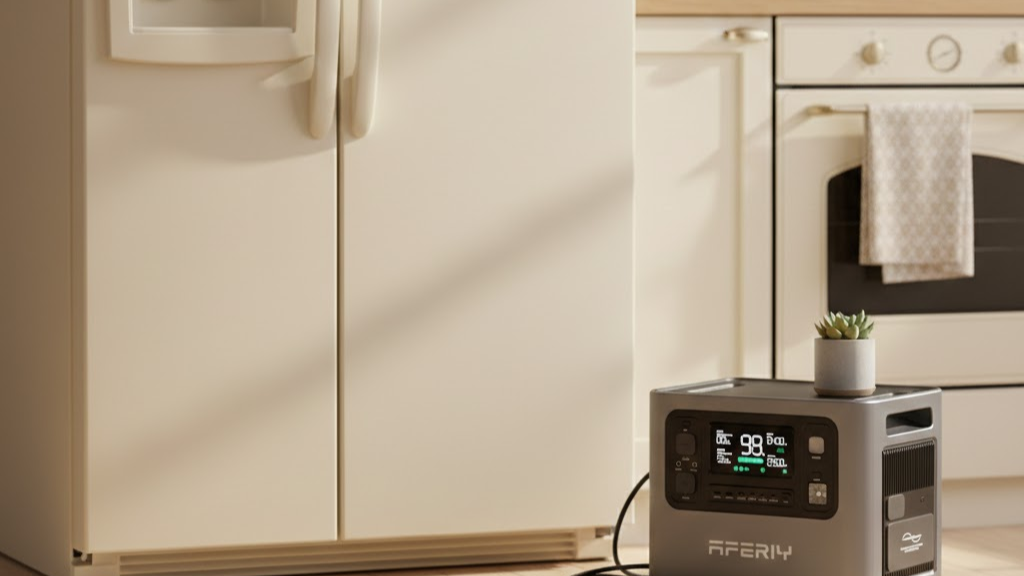
A 6,500-watt gas generator can provide substantial power, but its fuel requirements, engine noise, exhaust, and maintenance may not suit every situation. If you need backup power for essential appliances, outdoor activities, or smaller loads, a portable power station can offer a quieter and more convenient alternative.
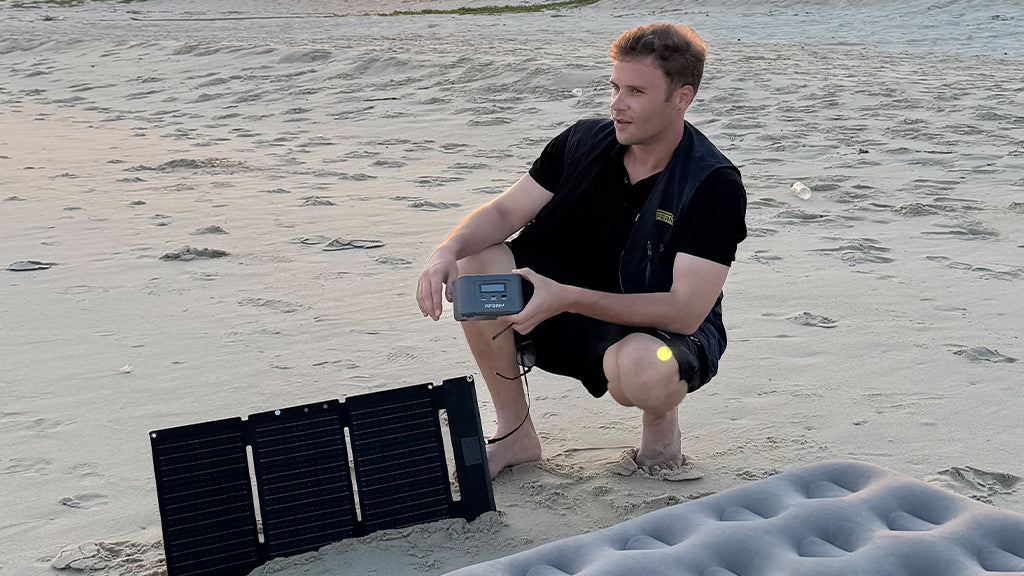
Unlike traditional gas generators, portable power stations use rechargeable batteries and produce no exhaust during operation. They can be recharged from an AC outlet, vehicle, or compatible solar panels, making them convenient for home backup, camping, RV trips, and off-grid use.
AFERIY Haven3000 P300 Portable Power Station
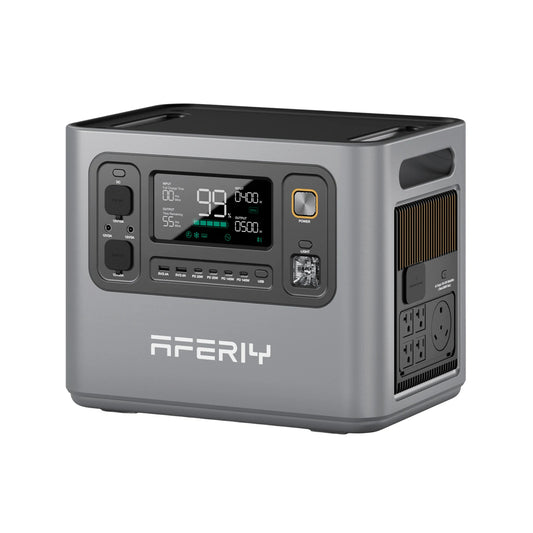
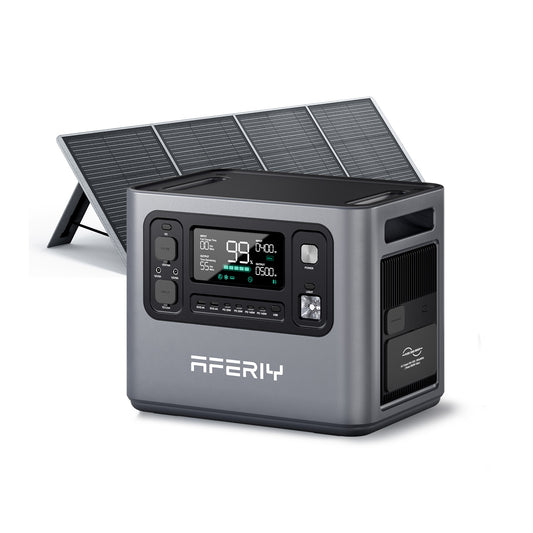
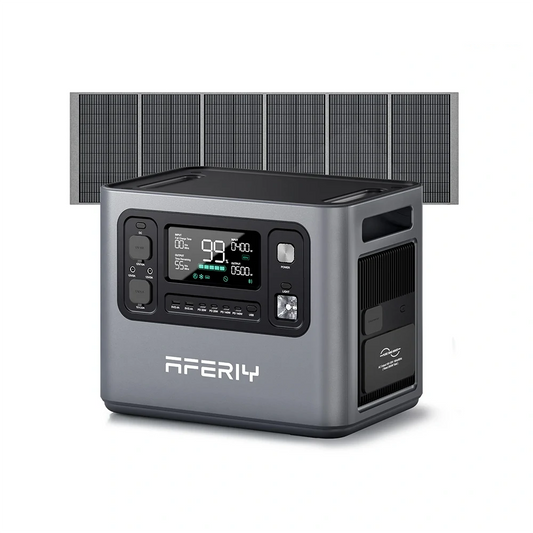
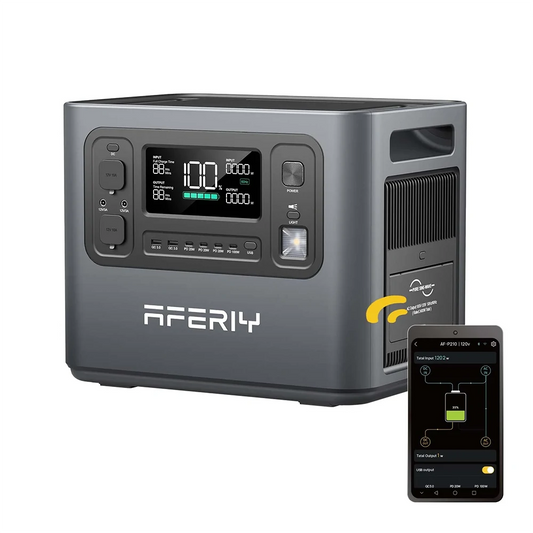
For users who need substantial power without carrying a full-size 6,500-watt generator, the AFERIY Haven3000 P300 Portable Power Station delivers 3,000W of pure sine wave output and 2,048Wh of battery capacity. Its expandable capacity can reach 10,240Wh, making it suitable for longer backup needs without relying on gasoline.
The P300 supports up to 1,200W of solar input as well as AC and car charging. Its UPS function with a switchover time of less than 10ms also makes it suitable for keeping essential home devices powered during an outage.

AFERIY Haven3600 P310 Portable Power Station
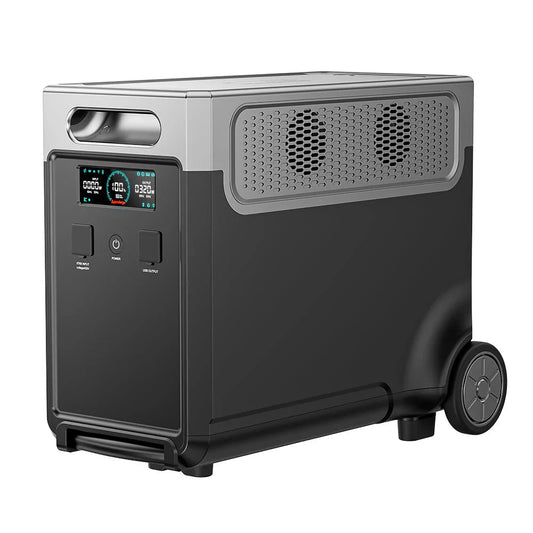
For higher-demand applications, the AFERIY Haven3600 P310 Portable Power Station provides 3,600W of output and 3,840Wh of battery capacity. Its expandable capacity reaches 11,520Wh, providing more stored energy for extended outages, off-grid use, and equipment with higher power requirements.
With up to 2,000W of solar input and 1,500W of AC input, the P310 can be recharged more quickly when additional power is needed. Its built-in wheels and telescoping handle also make it easier to move around a home, campsite, or work area than a conventional fuel-powered generator.

FAQs
Can a 6500-watt generator run a refrigerator?
Yes. Most refrigerators can be powered by a 6,500-watt generator. However, refrigerators require extra power when the compressor starts, so leave enough capacity for startup demand and other appliances running at the same time.
Can a 6500-watt generator run central AC?
It depends on the AC system. Smaller central AC units may fit within a 6,500-watt generator's capacity, while larger systems can exceed its starting or running output. Check the AC's rated and starting wattage before connecting it.
Can a 6500-watt generator run a well pump?
Yes, many well pumps can run on a 6,500-watt generator. A 1/2 HP well pump typically requires about 750–1,000W running and 1,500–2,000W starting, while larger pumps require more power.
Can a 6500-watt generator run an electric dryer?
Yes, but an electric dryer can use around 4,000–6,000W, leaving limited capacity for other appliances. Avoid running several high-wattage devices at the same time.
Can a 6500-watt generator run a house?
A 6,500-watt generator can power many essential household appliances, but it may not run everything simultaneously. High-demand loads such as central AC, electric dryers, ranges, and water heaters may need to be managed separately.
How many amps does a 6500-watt generator produce?
At 120V, 6,500W equals about 54.2 amps. At 240V, it equals about 27.1 amps. These are theoretical figures at 6,500W output; actual continuous amperage depends on the generator's rated wattage.
Conclusion
A 6,500-watt generator can provide substantial backup power for home appliances, job site tools, RV equipment, and other high-demand loads. However, the actual number of devices it can run at the same time depends on their running and starting wattage, as well as the generator's rated output.
For users who prefer a quieter, fuel-free option, AFERIY portable power stations provide an alternative for essential home backup, camping, RV use, and off-grid applications. Models such as the P300 and P310 combine high-output inverters with expandable battery capacity and solar charging, offering a convenient way to store and use power without relying on gasoline.
Related Reading:
What Can a 7500-Watt Generator Run?
Whole House Generator vs Portable Power Station: Which Is Right for Your Home?
 Free shipping from US local warehouse