












What Will a 5000-Watt Generator Run? Complete Guide
A 5000-watt generator is a popular choice for homeowners, campers, and RV users because it provides enough power for many essential appliances without requiring a large, expensive system. But what will a 5000-watt generator run in real-world situations?
A 5000W generator can typically power household essentials such as refrigerators, lights, TVs, internet equipment, and small kitchen appliances. It may also handle some higher-power devices like portable air conditioners or power tools, depending on their startup requirements.
However, the number of devices you can run at the same time depends on total wattage, startup power demands, and how efficiently you manage your available capacity.

What Can Run on a 5000-Watt Generator?
When considering what can run on a 5000-watt generator, the most important factor is not only the wattage of each appliance but also whether the device requires extra power when starting.
Appliances with motors, such as refrigerators, freezers, pumps, and air conditioners, often need higher startup watts than their normal operating power.
The table below shows common appliances that a 5000W generator can typically support.
| Appliance | Running Watts | Startup Watts (Approx.) | Can Run on a 5000W Generator? |
|---|---|---|---|
| Refrigerator | 100–800W | 500–2,000W | Yes |
| Freezer | 300–700W | 1,000–2,000W | Yes |
| LED Lights | 10–100W | Same as Running Watts | Yes |
| Wi-Fi Router | 10–30W | Same as Running Watts | Yes |
| Television | 50–200W | Same as Running Watts | Yes |
| Laptop | 50–100W | Same as Running Watts | Yes |
| Phone Chargers | 5–50W | Same as Running Watts | Yes |
| Microwave | 600–1,500W | Same as Running Watts | Yes |
| Coffee Maker | 800–1,500W | Same as Running Watts | Yes |
| Electric Grill | 1,000–1,800W | Same as Running Watts | Yes |
| Portable Air Conditioner | 1,000–1,800W | 2,000–3,000W | Usually |
| Sump Pump | 800–2,000W | 1,500–4,000W | Depends |
| Electric Heater | 1,500–3,000W | Same as Running Watts | Limited |
| Central Air Conditioner | 3,000W+ | 5,000W+ | Depends |
For everyday use, a 5000W generator can usually handle multiple essential devices at once. For example, during a power outage, you may be able to run a refrigerator, several lights, a Wi-Fi router, TV, and charging devices while still keeping a safety margin.
What Will a 5000-Watt Generator Power During a Home Power Outage?
For many homeowners, the main reason to buy a generator is emergency backup during storms, grid failures, or unexpected outages.
In most cases, people do not need to power every appliance in the house. Instead, they focus on essential devices that keep daily life running.
A typical home backup setup may include:
| Appliance | Running Watts | Startup Watts (Approx.) | Can Run on a 5000W Generator? |
|---|---|---|---|
| Refrigerator | 100–800W | 500–2,000W | Yes |
| Freezer | 300–700W | 1,000–2,000W | Yes |
| LED Lighting | 10–100W | Same as Running Watts | Yes |
| Wi-Fi Router | 10–30W | Same as Running Watts | Yes |
| Television | 50–200W | Same as Running Watts | Yes |
| Laptop | 50–100W | Same as Running Watts | Yes |
| Small Kitchen Appliances | 600–1,500W | Same as Running Watts | Yes |
For example, a refrigerator, router, lights, TV, and laptop may only require around 500–1000 watts during normal operation. This means a 5000W generator has enough capacity for many essential backup needs.
However, some appliances require much more power. Electric water heaters, dryers, ovens, and large central air conditioning systems can quickly use most or all of the available output.
What Can You Run on a 5000-Watt Generator at the Same Time?
Many users ask what can you run on a 5000-watt generator when multiple appliances need power simultaneously.
The answer depends on the combined wattage of all connected devices.
For example:
| Appliance | Running Watts | Startup Watts (Approx.) | Can Run on a 5000W Generator? |
|---|---|---|---|
| Refrigerator | 200W | 500–1,000W | Yes |
| LED Lights | 100W | Same as Running Watts | Yes |
| Wi-Fi Router | 20W | Same as Running Watts | Yes |
| Television | 150W | Same as Running Watts | Yes |
| Laptop | 60W | Same as Running Watts | Yes |
| Microwave | 1,200W | Same as Running Watts | Yes |
Total Running Power: Approximately 1,730W
This setup is well within the capacity of a 5000W generator.
However, users should remember that startup power matters. If the refrigerator or another motor-based appliance starts while several other devices are already running, the temporary power demand can increase significantly.
A good practice is keeping continuous loads below the maximum rated output to improve reliability and avoid overload issues.
Can a 5000-Watt Generator Run an Entire House?
A common question is whether a 5000W generator can provide complete whole-house backup.
The answer is usually no.
A 5000-watt generator is better suited for essential load backup, meaning it powers selected important appliances rather than every electrical device in the home.
Large household systems often require much higher power:
| Appliance | Running Watts | Startup Watts (Approx.) | Can Run on a 5000W Generator? |
|---|---|---|---|
| Central Air Conditioner | 3,000W+ | 5,000W+ | Depends |
| Electric Dryer | 3,000–5,000W | Same as Running Watts | Depends |
| Electric Water Heater | 4,000W+ | Same as Running Watts | Limited |
| Electric Stove | 2,000–5,000W | Same as Running Watts | Depends |
Running several high-power appliances together can exceed a 5000W generator’s capacity.
Before choosing a backup system, homeowners should identify which appliances are essential during an outage and calculate their combined power requirements.
Is a 5000-Watt Generator Enough for Camping and RV Use?
A 5000W power source can also be useful for camping, RV travel, and outdoor projects.
Common outdoor applications include:
| Appliance | Running Watts | Startup Watts (Approx.) | Can Run on a 5000W Generator? |
|---|---|---|---|
| Portable Refrigerator | 50–100W | 100–300W | Yes |
| Coffee Maker | 800–1,500W | Same as Running Watts | Yes |
| Electric Grill | 1,000–1,800W | Same as Running Watts | Yes |
| Camping Lights | 10–100W | Same as Running Watts | Yes |
| Chargers | 5–50W | Same as Running Watts | Yes |
| Small Power Tools | 500–2,000W | 1,000–4,000W | Usually |
For outdoor users, power output is only one consideration. Noise, portability, maintenance, and charging options can be just as important.
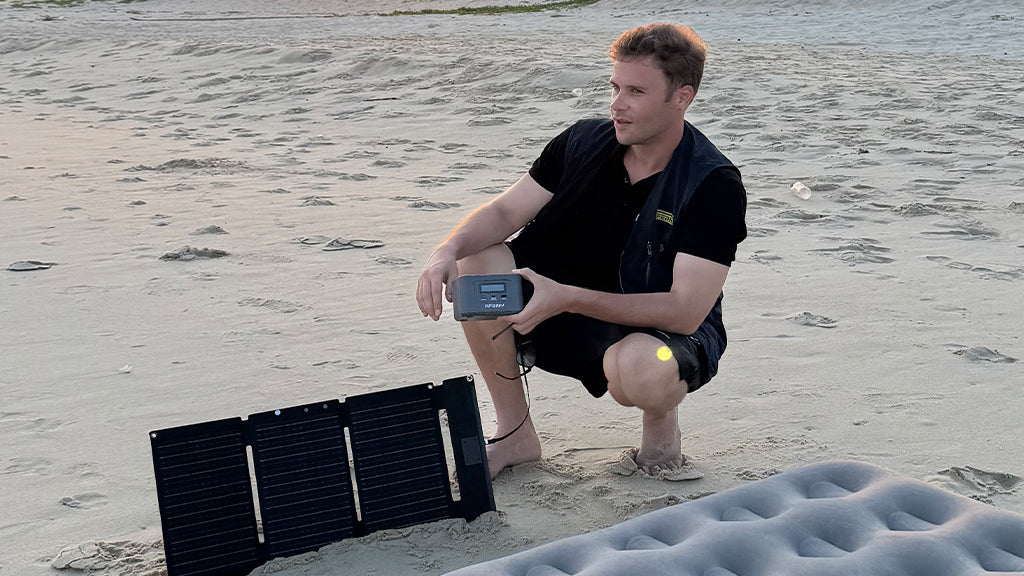
Traditional fuel generators can provide strong output but require gasoline storage, engine maintenance, and produce operating noise. For users who want quieter operation and easier energy management, portable power stations are becoming an increasingly popular alternative.
Portable Power Station: An Alternative for Long-Term Backup Power
While a 5000W generator can handle many appliances, some users need a backup solution that is quieter, cleaner, and easier to maintain.
A high-capacity portable power station can provide stored energy without fuel, engine noise, or regular mechanical maintenance.
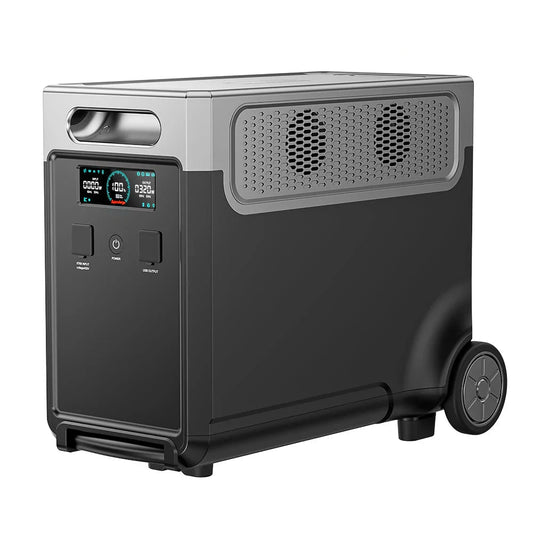
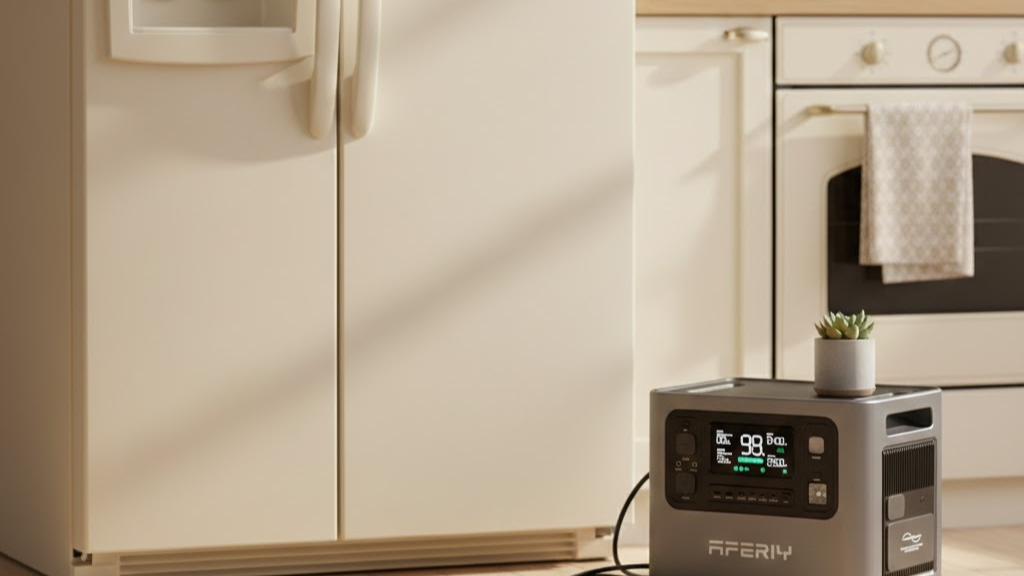
For example, the AFERIY P310 Portable Power Station is designed for users who need extended backup power for home emergencies, RV trips, and off-grid applications. With 3600W output and 3840Wh battery capacity, it can support many essential appliances and can be paired with solar panels for renewable charging.

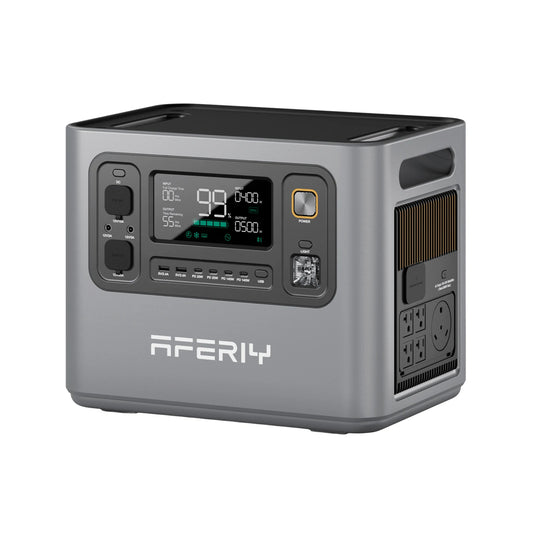
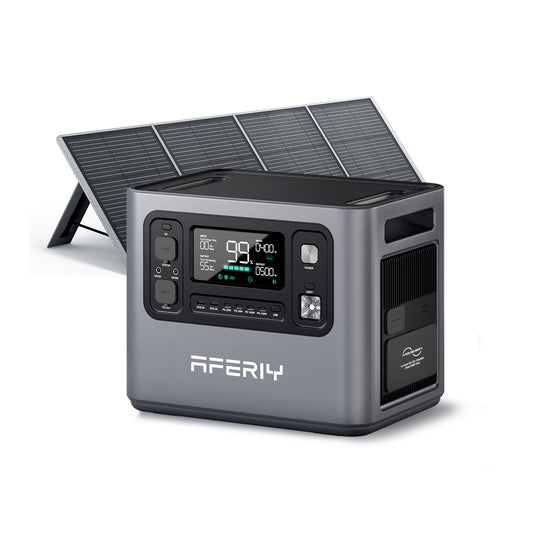
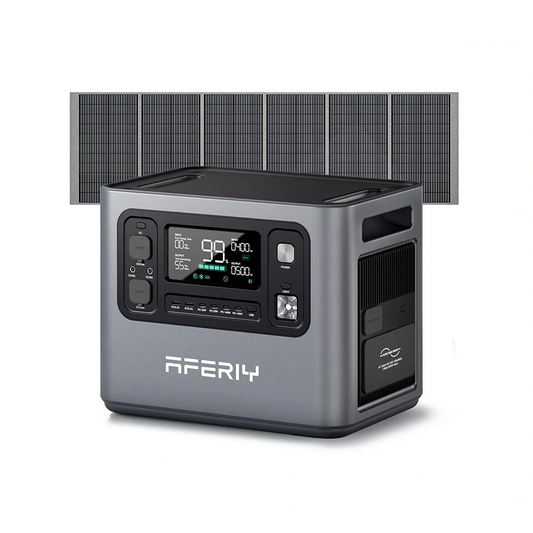
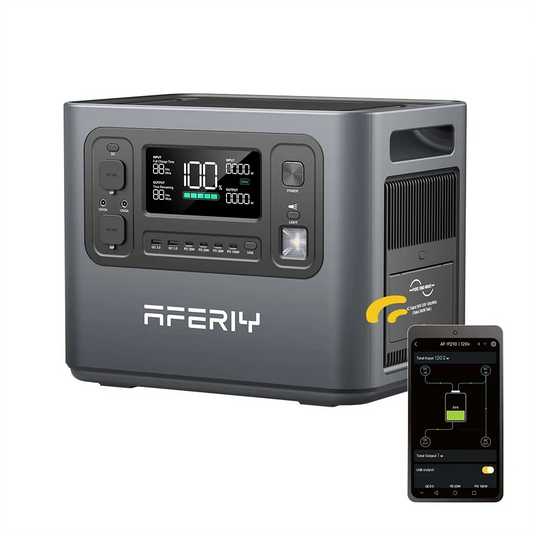
For smaller backup needs, the AFERIY P210 Portable Power Station provides a more compact solution for powering essential devices such as refrigerators, lights, electronics, and communication equipment during outages or outdoor activities.

Choosing between a traditional generator and a portable power station depends on your priorities:
| Factor | Traditional Generator | Portable Power Station |
|---|---|---|
| Fuel Requirement | Gasoline required | Battery powered |
| Noise Level | Higher | Quiet operation |
| Maintenance | Engine maintenance needed | Low maintenance |
| Solar Charging | Limited | Supported |
| Best For | High-output temporary power | Quiet backup and outdoor use |
How to Choose the Right 5000-Watt Power Solution?
Before purchasing a backup power system, consider these factors:
1. Calculate Your Essential Power Needs
Make a list of appliances you want to run during emergencies and check their running and startup wattage.
2. Consider Runtime Requirements
Power output determines what devices you can operate, while battery capacity or fuel capacity determines how long they can run.
3. Match the Solution to Your Lifestyle
Different users have different needs:
| Usage Scenario | Priority |
|---|---|
| Home Backup | Capacity and reliability |
| Camping | Portability and quiet operation |
| RV Travel | Solar charging flexibility |
| Emergency Preparation | Long runtime |
A 5000W generator can provide reliable backup power for many situations, but choosing the right capacity ensures better performance and avoids unnecessary costs.
FAQ
Can a 5000-watt generator run an air conditioner?
A small portable air conditioner may work with a 5000W generator, but larger central air conditioning systems may require more startup power.
Is 5000 watts enough for home backup?
A 5000W generator is suitable for essential home backup but usually cannot power every appliance in a typical home at the same time.
What Can You Run Off a 5000-Watt Generator?
A 5000-watt generator can power essential household appliances, but it usually cannot handle large high-power devices. It may not be able to run central air conditioning systems, electric water heaters, electric dryers, electric ovens, or electric furnaces, especially when multiple appliances operate at the same time. Always check both running watts and starting watts before connecting any appliance to avoid overloading the generator.
How Long Can a Generator Run Without a Break?
The continuous runtime of a generator depends on its fuel capacity, load, engine design, and maintenance. Most portable gas generators can run for 8–12 hours before refueling, while some heavy-duty models can operate much longer with proper fuel supply and maintenance. Always follow the manufacturer’s guidelines to avoid overheating and excessive wear.
What Is the 20/20/20 Rule When Using a Generator?
The 20/20/20 rule is a general guideline for safe generator operation: run the generator for about 20 hours, then inspect key components, allow it to cool for 20 minutes, and check the oil, fuel, and connections before continuing use. This helps prevent overheating and improves long-term reliability. Always follow the specific maintenance recommendations from the generator manufacturer.
Conclusion
So, what will a 5000-watt generator power? For most users, it can provide enough electricity for essential household appliances, outdoor equipment, and emergency situations when loads are managed correctly.
Understanding your actual power needs, startup requirements, and usage environment will help you choose the right backup solution. For users who want quiet operation, solar charging, and long-term energy storage, a portable power station can be another reliable option alongside traditional generators.
 Free shipping from US local warehouse