











How Many Watts Does a Coffee Maker Use? Power Consumption Guide
If you’ve ever wondered how many watts does a coffee maker use, you’re not alone. Whether you’re comparing electricity costs, shopping for a new coffee maker, or planning to use one with a solar generator, understanding its power requirements can help you make better decisions.
Most household coffee makers typically use 600 to 1,500 watts, although the exact coffee maker wattage varies depending on the machine type, brewing capacity, and heating system. A compact drip coffee maker generally requires less power than a single-serve or espresso machine, which heats water more quickly.
However, the wattage of a coffee maker only tells you how much power it draws while brewing. The total electricity consumed depends on how long the machine runs and whether features like a warming plate remain on after brewing. If you’ve asked how many watts does a coffee machine use for everyday brewing or backup power planning, this guide explains what affects power consumption, how much it costs to operate, and what to consider when using a solar generator.

How Many Watts Does a Coffee Maker Use?
The answer to how many watts does a coffee maker use depends on the type of machine you own. Most household coffee makers operate between 600 and 1,500 watts, with the heating element accounting for most of the power demand. Machines designed to brew quickly or produce steam generally require more electricity than basic drip models. While these figures represent typical household appliances, the easiest way to confirm your coffee maker wattage is to check the manufacturer’s specifications or the rating label on the machine.
Typical Coffee Maker Wattage by Type
| Coffee Maker Type | Typical Wattage |
|---|---|
| Small drip coffee maker | 600–900W |
| Standard drip coffee maker | 900–1,200W |
| Single-serve coffee maker | 1,000–1,500W |
| Espresso machine | 1,000–1,600W |
These ranges cover most residential coffee makers, although premium or commercial models may have different power requirements.
Drip Coffee Makers
Drip coffee makers are the most common choice for home kitchens. Most standard models use 900–1,200 watts, while compact machines designed for fewer cups may operate closer to 600–900 watts. Because they heat water gradually, their brewing cycle usually lasts several minutes. Many models also include a warming plate that continues drawing power after brewing to keep coffee hot, which can noticeably increase daily energy consumption if left on for extended periods.
Single-Serve Coffee Makers
Single-serve coffee makers typically require 1,000–1,500 watts because they heat water rapidly for each cup. Although the operating wattage is relatively high, the brewing cycle is short, so the total energy used per serving is often lower than many people expect.
Espresso Machines
If you’re wondering how many watts does a coffee machine use for espresso, most household models operate between 1,000 and 1,600 watts. They require additional power to generate steam and maintain brewing pressure, making them the highest-wattage option among common household coffee makers.
Overall, the wattage of a coffee maker is only part of the picture. Two machines with similar wattage can consume different amounts of electricity depending on how long they brew and whether they continue heating after the coffee is ready.
How Much Electricity Does a Coffee Maker Use and Cost to Run?
Knowing how many watts does a coffee maker use is only part of the picture. To estimate electricity costs, you also need to know how long the coffee maker operates. Watts measure the appliance’s power demand, while watt-hours (Wh) and kilowatt-hours (kWh) measure the total energy it consumes over time.
You can estimate energy consumption using this simple formula:
Energy (Wh) = Power (W) × Operating Time (hours)
For example, if a 1,000W coffee maker brews coffee for 10 minutes:
1,000W × (10 ÷ 60) = approximately 167Wh (0.167kWh)
This means the coffee maker only uses about 0.167kWh for one brewing cycle—not 1kWh—because it operates for a relatively short time.
The actual cost depends on your local electricity rate, but for most U.S. households, brewing a single pot of coffee costs only a few cents. While the brewing process itself uses relatively little electricity, the warming plate can significantly increase overall energy consumption if it remains on after brewing. A typical 12-cup drip coffee maker draws around 900W during a 10-minute brew but continues using about 75W while the warming plate is active. Leaving the warming plate on for two hours can consume nearly as much electricity as brewing the coffee itself.
If you’re comparing appliances or planning to use a backup power source, don’t focus only on the coffee maker wattage. Consider both the appliance’s rated power and its operating time to estimate real-world energy consumption more accurately.
Can a Solar Generator Run a Coffee Maker?
Yes. A solar generator can run most household coffee makers, as long as its continuous AC output exceeds the coffee maker’s rated wattage. Since most home coffee makers use between 600 and 1,500 watts, it’s important to choose a generator that provides enough output not only for brewing coffee but also for any other appliances you plan to use at the same time.
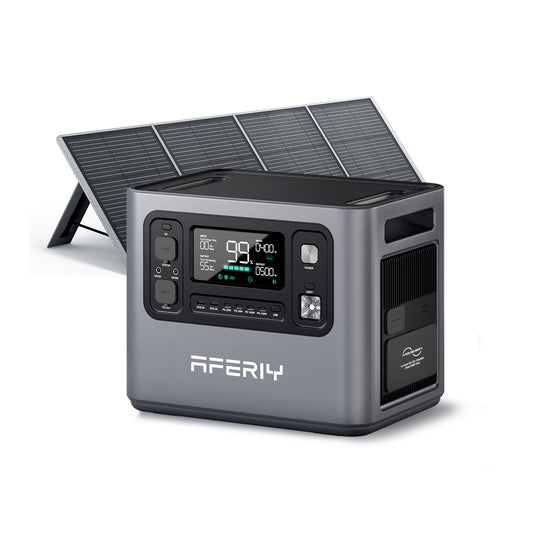
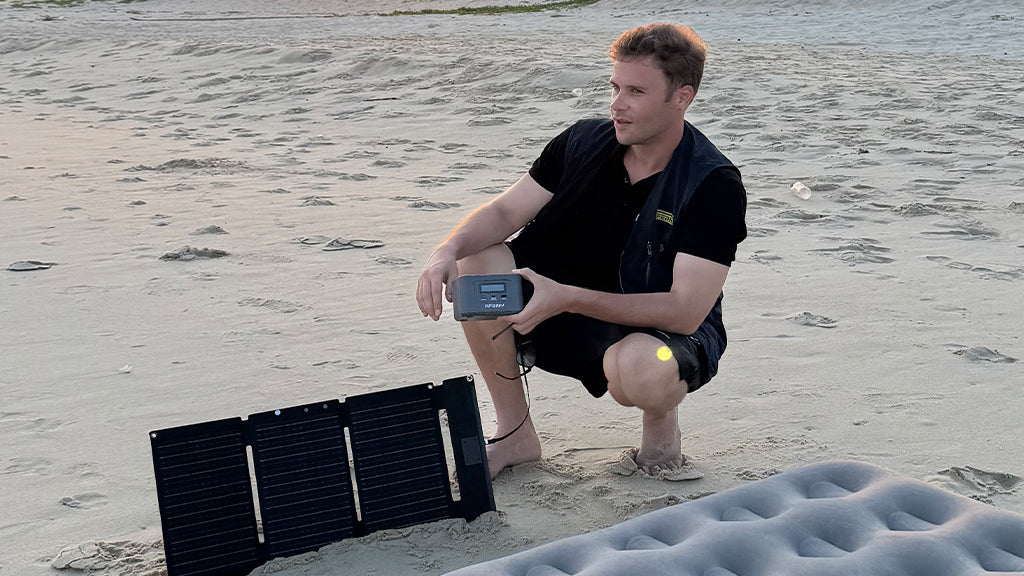
For outdoor use, a portable power station paired with solar panels provides a convenient way to keep coffee makers running during camping trips, RV travel, or off-grid adventures. The power station stores energy in its built-in battery and converts it into stable AC power, while solar panels allow you to recharge the battery during the day for longer trips or emergency situations. When choosing a solar generator for a coffee maker, consider both output power (W) to support the appliance and battery capacity (Wh) to determine how long it can run before needing a recharge.
For Camping and Weekend Getaways
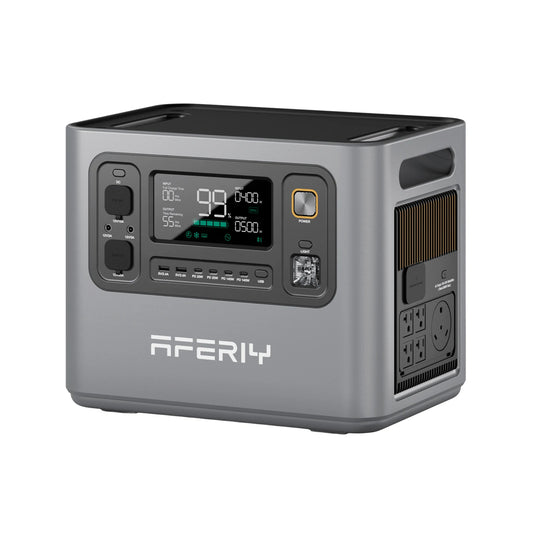
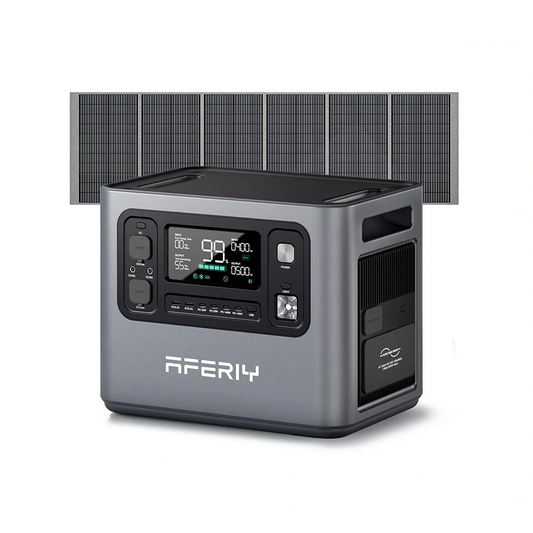
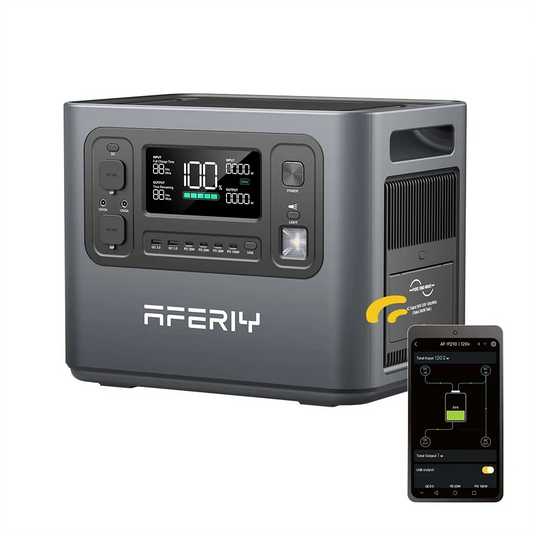
If your goal is simply to enjoy fresh coffee at a campsite or during a weekend outdoor trip, you don't necessarily need a large home-backup system. A compact model such as the AFERIY Nomad1800 P180 Solar Generator is a practical choice. It delivers 1800W AC output with a 1024Wh LiFePO₄ battery, making it capable of powering most drip coffee makers while remaining lightweight enough for camping, fishing, tailgating, and other outdoor activities. Its fast charging and expandable battery options also make it convenient for multi-day trips.

For RV Travel and Home Backup
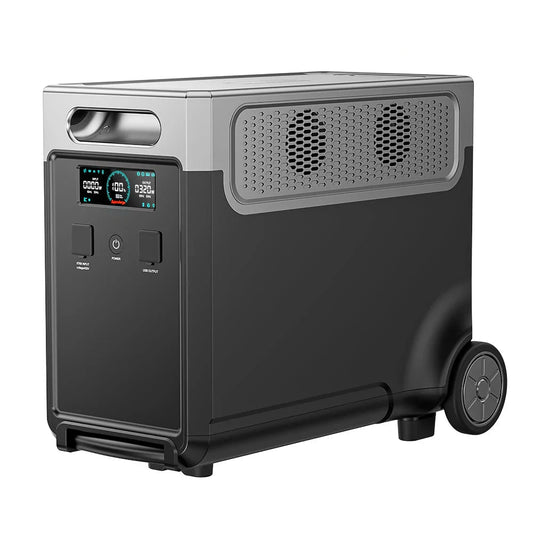
If you plan to run a coffee maker alongside other appliances—such as a portable refrigerator, microwave, lights, or laptop—a larger system offers greater flexibility. The AFERIY P280 Solar Generator is better suited for these scenarios, thanks to its 2800W pure sine wave inverter and 2048Wh LiFePO₄ battery, with expandable capacity up to 10,240Wh. This combination provides enough headroom to brew coffee while supporting several essential devices during RV travel or power outages, reducing the risk of overloading the inverter.

Whether you’re preparing your morning coffee at a campsite or keeping your kitchen running during an outage, choosing a solar generator that matches your actual usage scenario is more important than simply selecting the largest battery available.
How to Reduce Coffee Maker Energy Consumption
Although coffee makers are not among the highest-energy appliances in a home, a few simple habits can reduce electricity use without affecting your daily coffee routine.
Brew Only the Amount You Need
Brewing a full pot when you only plan to drink one or two cups wastes both water and electricity. Making only the amount you need reduces unnecessary heating time and helps avoid leftover coffee.
Turn Off the Warming Plate
For many drip coffee makers, the warming plate continues drawing power after brewing is complete. According to recent energy usage data, a typical 12-cup drip coffee maker uses about 900W during a 10-minute brew but continues to draw around 75W while the warming plate is on. Leaving it on for two hours can consume nearly as much electricity as brewing the coffee itself.
Choose a Thermal Carafe
If you usually drink coffee over several hours, consider a coffee maker with a thermal carafe instead of a glass carafe with a hot plate. A thermal carafe keeps coffee hot through insulation rather than continuous electric heating, helping reduce energy use while preserving flavor. Consumer Reports also notes that thermal carafes eliminate the need for a constantly heated warming plate.
FAQs
What size inverter do I need to run a coffee maker?
The inverter size depends on your coffee maker’s power requirements and the available battery system. Most standard coffee makers require around 600–1,200 watts, so a 1,500W–2,000W pure sine wave inverter is usually a suitable choice for reliable operation. A larger inverter provides extra capacity and helps prevent overload issues, especially when powering other devices at the same time. Before choosing an inverter, check the coffee maker’s rated wattage and make sure your battery can provide enough energy for the brewing time.
Why does my coffee maker trip the inverter?
A coffee maker may trip an inverter when the appliance draws more power than the inverter can continuously supply or when the battery cannot maintain stable output. This can happen if the inverter capacity is too small, the battery voltage drops, or the power system lacks enough reserve capacity. Using a properly sized pure sine wave inverter and leaving some extra power headroom can help ensure stable operation, especially for higher-powered coffee makers such as espresso machines.
Can I run an espresso machine on an inverter?
Yes, many espresso machines can run on an inverter, but they usually require more power than basic drip coffee makers. Most home espresso machines need a higher-output inverter, often around 1,500W or more depending on the model. For RV, camping, or off-grid use, make sure the inverter has enough continuous output and that the battery capacity is sufficient to support the heating cycle without causing shutdowns.
Conclusion
Understanding how many watts does a coffee maker use helps you estimate electricity costs, compare different coffee makers, and choose the right backup power solution. While most household models operate between 600 and 1,500 watts, actual energy consumption depends on both the coffee maker wattage and the length of each brewing cycle.
For everyday use, simple habits like brewing only what you need, turning off the warming plate, and choosing a thermal carafe can reduce energy consumption. If you plan to use a coffee maker while camping, traveling in an RV, or during a power outage, selecting a solar generator with sufficient continuous output, battery capacity, and a pure sine wave inverter will help ensure safe and reliable operation.
 Free shipping from US local warehouse